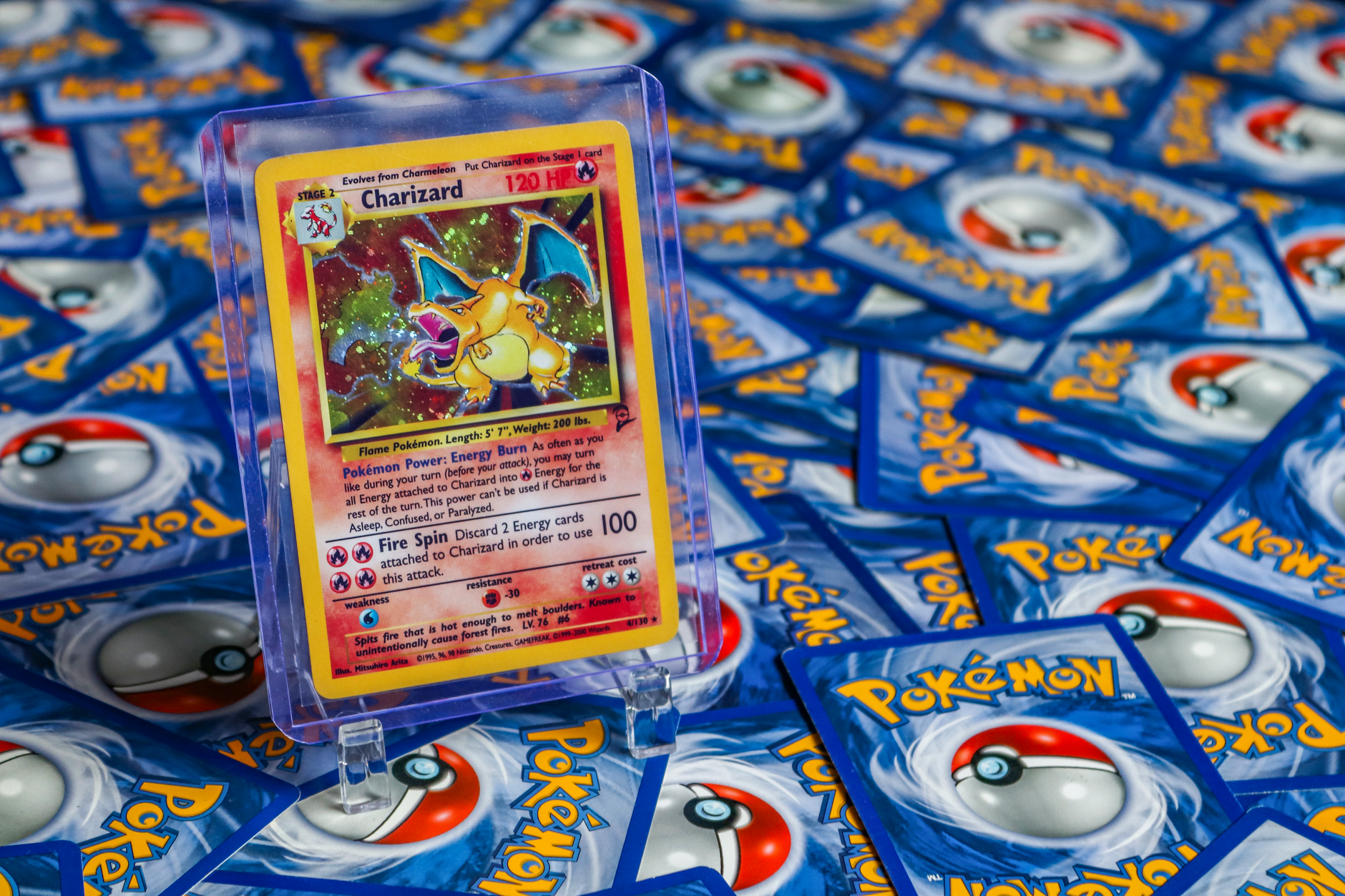
An original Pikachu card is a card printed for its named set and release, while a reprint is a later authorized reproduction or an unofficial copy. When buying online, an original matches the correct set symbol, copyright line, texture, and sharp print quality for that version.
Sellers use the word reprint in different ways. Some mean an official later printing, while others mean a decorative copy with little collectible value. Ask which meaning applies before you bid, buy, or trade.
Table of Contents
- What does reprint mean for Pokemon cards?
- What should listing photos show?
- What physical checks help after delivery?
- How can you buy more safely online?
What does reprint mean for Pokemon cards?
A later authorized print usually keeps official card stock, legal text, and normal play markings. It may show a different set symbol, copyright year, or finish from the first release. Those small marks decide value for collectors.
An unofficial copy is not issued for play or collecting. It may look bright in a small photo but feel smooth, thin, or waxy in hand. It often has soft art, muddy yellow borders, or text that looks slightly thick.
What should listing photos show?
Clear front, back, corners, and closeups matter more than a long description. Look for the set symbol, first-edition mark if claimed, copyright line, illustrator name, and card number. If those areas are blurred, cropped, or shown only at an angle, treat the listing with care.
Compare those details with the same card from the same set. Watch for wrong fonts, missing texture, off-center blue on the back, or colors that look neon or washed out. One mismatch does not always prove a copy, but several together are a warning.
- sharp front and back in straight-on light
- close view of copyright line and set symbol
- edge and corner wear without heavy filters
- holographic area, where present, without glare hiding the pattern
What physical checks help after delivery?
Hold the card under good light and check color depth, border evenness, and text edges. Official cards usually have clean black text, smooth color blends, and a consistent blue back. Copies often show pixelated rosettes, shiny flat surfaces, or a back that looks too light, too dark, or purple.
Feel the stiffness and surface. Many official cards have a light texture on newer full-art cards and a firm snap without feeling brittle. Also check size, alignment, and layering at the edge under magnification. If print dots look coarse, letters bleed, or the card feels slippery or spongy, keep it apart from your collection.
How can you buy more safely online?
Read the full title and description for words like proxy, custom, replica, or unlicensed. Check seller feedback for card sales, return terms, and whether stock photos are used. For higher-value Pikachu cards, prefer listings with original photos, stated flaws, and a clear return option.
Message the seller before paying when details are missing. Ask for a straight-on photo of the copyright line, set symbol, and back in daylight. Save the listing text and photos until the card arrives and matches what was promised.
You Might Also Like
- Buying Your First Pokemon TCG Booster Box: What to Check Before Checkout
- Pikachu Modern Cards Worth Grading Before the Holidays
- Pikachu Cards for Holiday Gifts: What to Buy on a Budget?