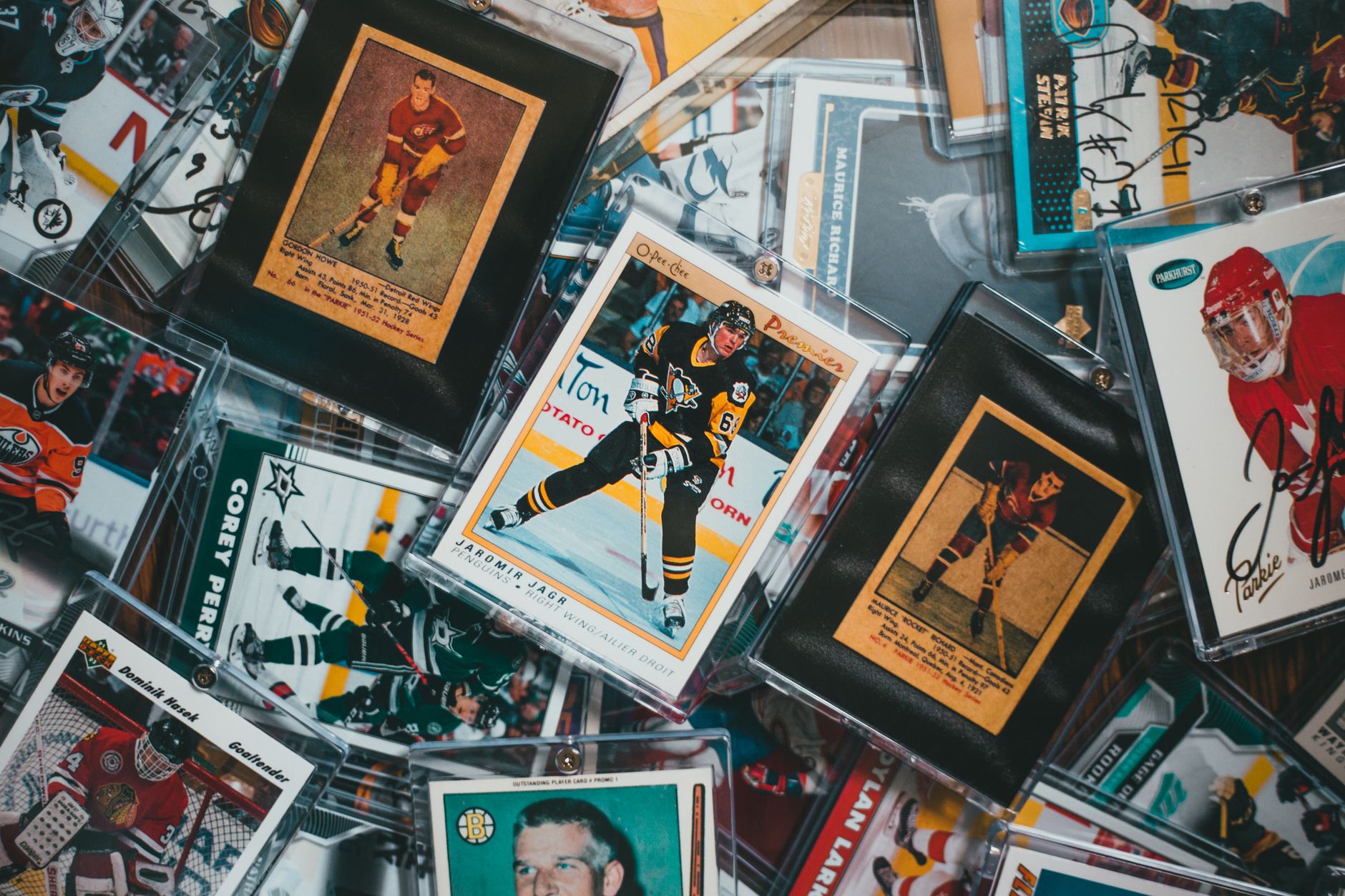
A Pokemon booster bundle, a sealed box holding several booster packs, rewards opening when you want cards to use, grade, or display. Keep the same box sealed when you prefer unopened collecting, clean gifting, or simpler future trades. Each pack holds a random mix of common, uncommon, and rarer cards. Opening trades certainty for discovery, while keeping the bundle sealed trades discovery for condition and completeness.
Table of Contents
- What happens when you open a bundle?
- Why do collectors keep bundles sealed?
- How does condition change the choice?
- Which goal fits your collection?
- How should you store each choice?
What happens when you open a bundle?
Opening converts one sealed item into loose packs, then into single cards. You can sort pulls by playability, display appeal, and trade value. Strong hits can anchor a binder or deck, while bulk fills out sets. Randomness shapes the result.
Most packs yield playable commons and uncommons, with better pulls appearing less often. Expect variation even between identical bundles. Once opened, value shifts to individual cards. Condition, centering, and demand decide which cards matter. Sleeve playable and collectible pulls at once to protect edges and corners.
Why do collectors keep bundles sealed?
A sealed bundle stays a complete, tamper-evident product. Collectors prize clean wrap, sharp corners, and an undamaged box. The unopened form is easier to describe, photograph, and trade. Sealed collecting also preserves choice.
You can gift it, display it, or open it later. An opened bundle cannot return to sealed status. Sealed items carry their own risks. Wrap can tear, boxes can dent, and storage flaws can lower appeal. A bundle stored in heat, humidity, or sunlight may lose gloss and shape.
How does condition change the choice?
Condition matters for both paths, but in different ways. For opened cards, surface, edges, corners, and centering drive grade and appeal. For sealed bundles, wrap tightness, seam integrity, and box shape matter most. Check the bundle before you decide.
Look for crushed corners, loose wrap, faded ink, or price stickers. Pick the cleanest copy for sealed storage and open the rougher copy first. Handling makes a lasting difference. Wash and dry hands before touching packs or cards. Use sleeves, toploaders, and rigid boxes for singles, and avoid stacking heavy items on sealed boxes.
Which goal fits your collection?
Match the decision to your main goal. A player needs singles, a set builder needs specific gaps filled, and a sealed collector needs intact products. Mixed collectors often split the difference.
Budget also guides timing. Opening can satisfy curiosity now but may leave gaps in a set. Saving a sealed bundle costs storage space and patience. Choose the path you can maintain.
- Open the bundle when you need cards for decks, binders, grading, or display.
- Keep it sealed when you collect sealed products, plan gifts, or want easy trades.
- Buy two only when your budget allows both goals without strain.
- Track what you own so you do not repeat the same bundle by accident.
How should you store each choice?
Store sealed bundles upright in a cool, dry place away from sun. Use a sturdy shelf or plastic bin, with light padding to stop sliding. Avoid attics, garages, and damp basements. Store singles by purpose.
Put playsets in a labeled binder or deck box, trade cards in sleeves, and top prospects in penny sleeves plus toploaders. Keep a simple list of pulls, bundle source, and date acquired. Review your plan once a year. If your goals change, you can open, trade, or reorganize without rush. Let the collection follow your current interest, not past momentum.
You Might Also Like
- Opening vs Keeping Unlimited Booster Boxes Sealed: A Pokemon Collector Framework
- Opening vs Keeping Japanese Booster Boxes Sealed: A Pokemon Collector Framework
- Opening vs Keeping Theme Decks Sealed: A Pokemon Collector Framework