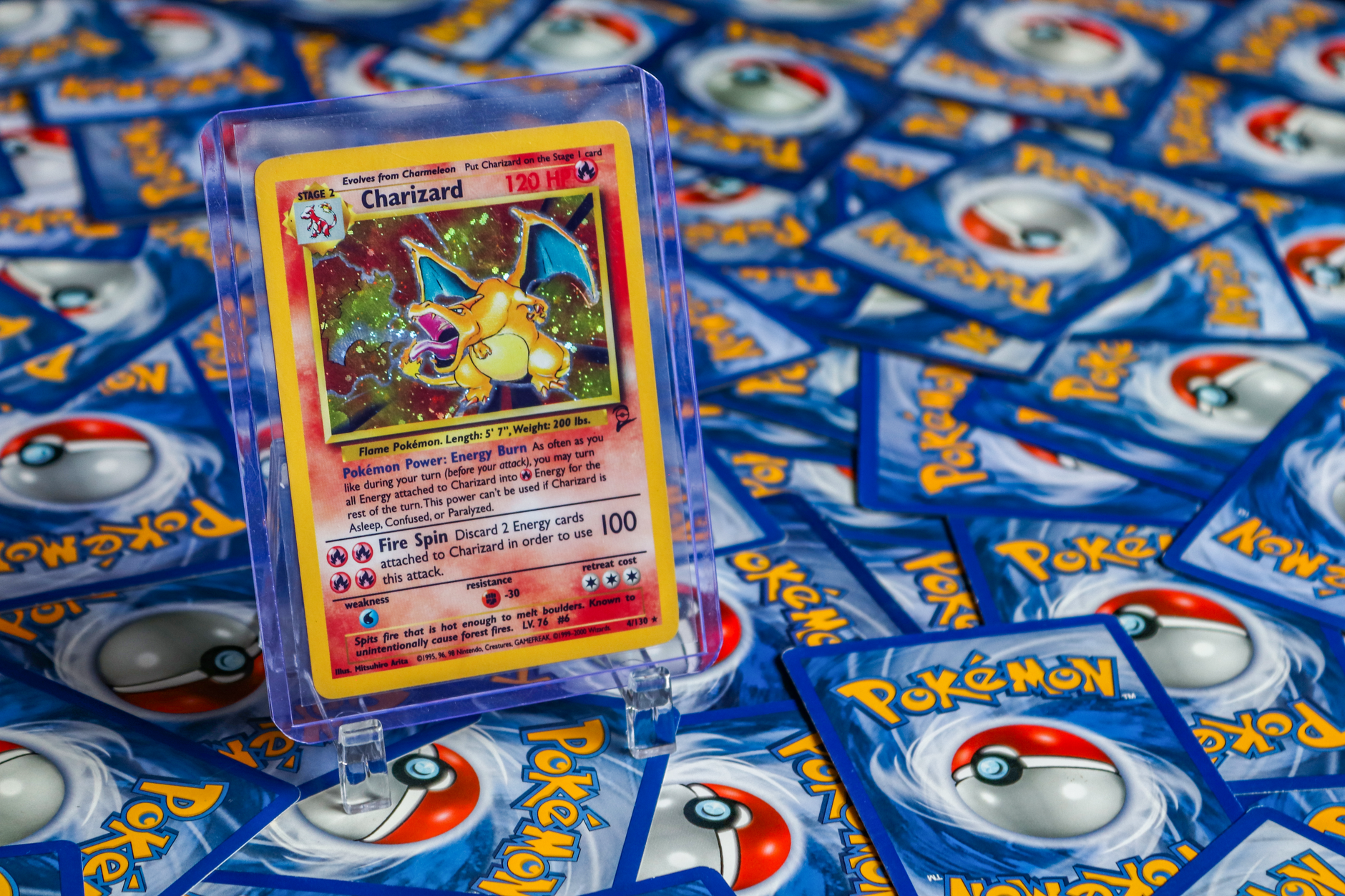
The Rebel Clash cards worth grading are the ones where a PSA 10 sells for far more than the card does raw and ungraded, not simply the rarest pulls. That means a mix of the set's chase VMAX and full-art cards, plus a handful of ordinary rares and even commons where gem-mint copies are scarce enough to command a real premium. Grading only pays off when the gap between a card's raw price and its PSA 10 price clears the cost of submission, since every card sent to PSA carries the same flat fee regardless of what it sells for.
Table of Contents
- What grading actually costs before you submit anything
- The set's headline chase cards
- Cheap cards that still pay off in gem-mint condition
- Where grading stops making sense
- Why these numbers shift faster than you'd expect
- Frequently Asked Questions
What grading actually costs before you submit anything
PSA's Regular tier is the standard choice for most collectors grading Rebel Clash cards, and it runs $79.99 per card with a declared-value cap of $1,500, according to eyevotcg.com's 2026 pricing guide. That fee is fixed whether the card comes back a PSA 10 worth hundreds or a PSA 7 worth less than it did raw, so it sets the bar every card has to clear.
Turnaround matters just as much as cost. Regular-tier submissions take roughly 40 to 50 business days in 2026, per pregradecards.com's breakdown, which means a submitted card is effectively locked up for one to two months before it can be sold at its graded price. Anyone grading a handful of cards at once should expect to wait, not plan to flip a graded card within the week.
The set's headline chase cards
Rebel Clash's highest-demand pulls are a defined, short list: the rainbow-rare VMAX cards for Rillaboom, Cinderace, Inteleon, Toxtricity, Dragapult, and Copperajah, along with the full-art Supporter and Trainer cards Boss's Orders, Milo, Oleana, and Sonia, according to TCG Stacked's Rebel Clash price guide. These are the cards collectors actively hunt for, and they're the first place to look when deciding what's worth the grading fee.
Dragapult VMAX #197/192, the Full Art Secret Rainbow Rare version, is one of the strongest individual grading candidates on that list. PSA 10 copies sold for roughly $85 to $92 in eBay data compiled around August 2026, according to Dittobase. That price level comfortably clears the $79.99 grading fee, assuming the submitted copy actually grades a 10.
Cheap cards that still pay off in gem-mint condition
Grading isn't limited to the obvious chase cards. The standard, non-holo Zacian #139/192 trades raw for around $0.50 but reaches roughly $46 in PSA 10, with only about five or six PSA 10 copies on population at the time it was tracked, per PokeInvesting's card price page. That gap exists because so few copies have been confirmed gem mint, not because the card itself is rare. Ninetales V shows the same pattern on two separate printings: #177 reaches about $140 in PSA 10 and #26 about $62, both against raw prices of only a few dollars, according to PokePrices' Rebel Clash tracker.
These non-VMAX "V" cards are easy to overlook next to the set's rainbow rares, but the PSA 10 multiples justify a submission when a copy is in genuinely sharp condition. The most extreme example is Gyarados #40, a low-value non-holo card worth about $2 raw that has sold near $181 in PSA 10 per recent eBay-sourced data, per PokePrices. That's not a card anyone would guess is worth grading by looking at its rarity. It's worth grading because gem-mint copies are scarce, and the premium reflects that scarcity rather than the card's place in the set.
Where grading stops making sense
Most of Rebel Clash's commons and uncommons carry raw prices under $3, which means the $79.99 fee exceeds any realistic PSA 10 return for the bulk of the set, according to PokePrices' Rebel Clash overview. Grading only makes sense for a card with a documented, large PSA 10 multiple, not because a card happens to be from a popular set. Before submitting anything, check these points against current data rather than this set's examples alone:.
- Confirm the card's current raw price and its PSA 10 price separately — the gap between them, not either number alone, determines whether grading pays off.
- Factor in the $79.99 fee and the 40-to-50-business-day wait before assuming a profit.
- Inspect the card under good light for whitening, scratches, or off-center printing; a card that doesn't grade a 10 may not clear the fee at all.
- Re-check sold listings close to submission time, since aggregator prices can move.
Why these numbers shift faster than you'd expect
Every price cited here comes from third-party aggregators — PokePrices, PokeInvesting, and Dittobase — that pull from recent eBay sold listings, and those figures can swing more than 50% week to week, according to PokePrices' Rebel Clash tracker. A Dragapult VMAX or Gyarados #40 selling for a strong price in one data pull doesn't guarantee the same price a month later.
That volatility is the real reason to treat any specific dollar figure as a starting point rather than a guarantee. Re-checking current sold comps right before submission — not when first deciding a card looks promising — is what keeps the math accurate when the card actually comes back from grading two months later.
Frequently Asked Questions
Does a card need to be a rainbow rare or VMAX to be worth grading?
No. Non-holo commons like Gyarados #40 and base rares like Zacian #139/192 have sold for far more in PSA 10 than their raw price, according to PokePrices and PokeInvesting.
How long should I expect to wait for a card to come back from PSA?
Regular-tier submissions run roughly 40 to 50 business days in 2026, per pregradecards.com.
You Might Also Like
- Which Unified Minds Pokemon Cards Are Worth Grading?
- Which Unbroken Bonds Pokemon Cards Are Worth Grading?
- Which Ultra Prism Pokemon Cards Are Worth Grading?