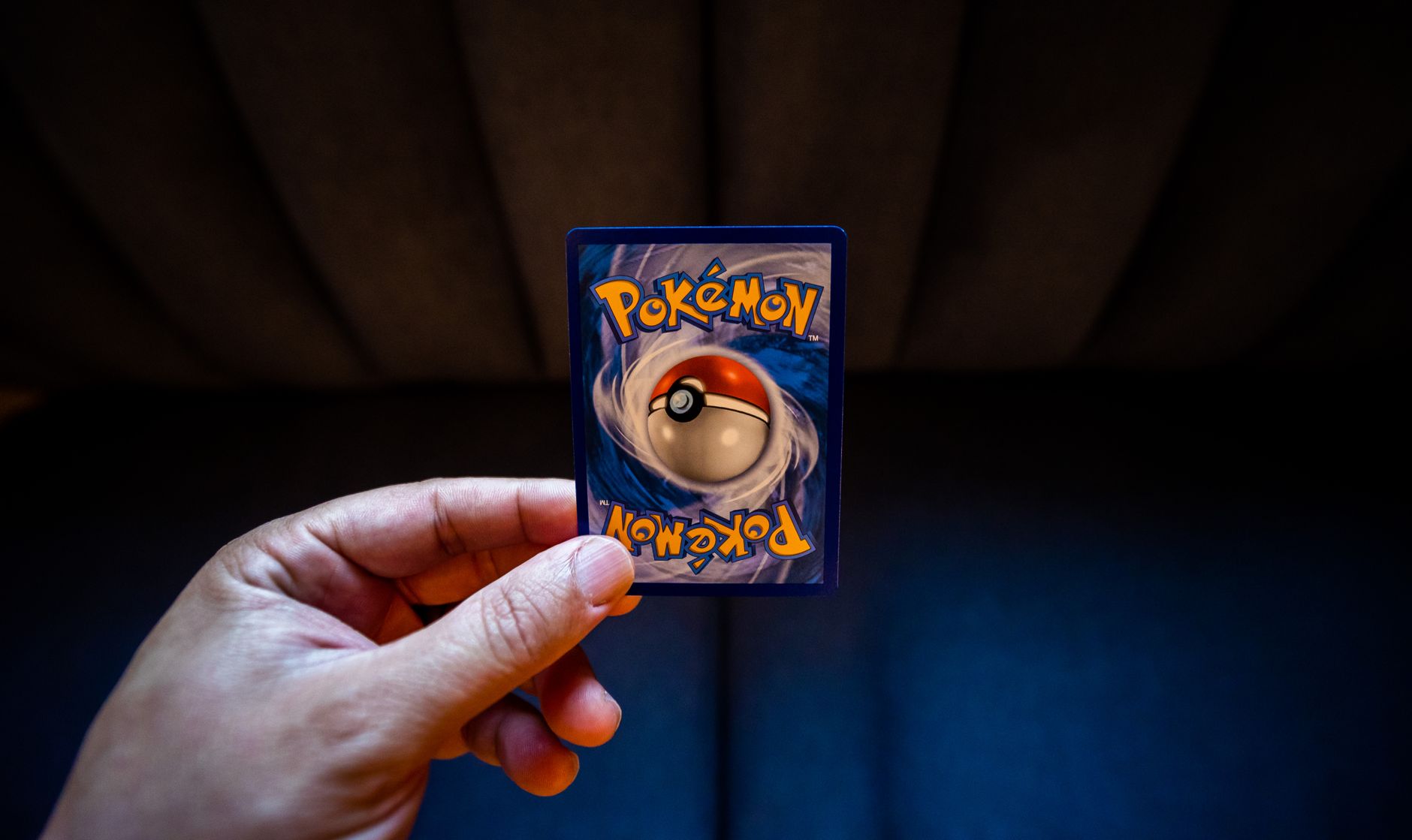
A fair valuation for a friend's Pokemon collection is the price you both accept after sorting the cards, checking condition, and comparing recent sales for the valuable ones. You agree on it by setting the method together before you talk numbers. Fair market value means the price a willing buyer and seller accept when neither feels pressured. For cards, that price depends on exact set, condition, and whether the card is graded or ungraded.
Table of Contents
- What should you sort and count first?
- How do you judge condition together?
- How do you turn sales into an offer?
- How do you keep the deal friendly?
What should you sort and count first?
Separate the collection into likely valuable singles, playable bulk, and sealed product. Check set symbols, card numbers, and special finishes to identify the cards worth individual research. Treat common bulk as a group, not as single cards.
Most bulk commons and uncommons trade at very low per-card levels, so counting boxes or bundles saves time and avoids false precision. List sealed packs, boxes, and decks separately. Condition of the packaging drives interest there, and opened or damaged packaging changes the category entirely.
How do you judge condition together?
Agree on a simple scale before you handle valuable cards. Use terms like pack-fresh, lightly played, moderately played, and heavily played, and define visible edge, surface, and corner wear for each. Examine higher-value cards in sleeves under good light, front and back.
Look for whitening, scratches, bends, and centering, since small flaws can move a card down a full grade. Set aside any card where you disagree. Plan to treat disputed cards at the lower grade, get a third opinion, or exclude them from the deal.
How do you turn sales into an offer?
Research only the cards that could move the total. For each key single, compare listings for the same set, number, finish, and condition, and favor completed sales over asking prices.
Use one consistent source type for all comparisons. Mixing retail listings, auction results, and buylist offers creates confusion, because each reflects different fees, risk, and effort.
- List the key cards you both accept
- Note condition and version for each card
- Record a recent comparable sale for each
- Add the singles, then add a flat amount for bulk and sealed items
- Apply one clear friend-to-friend adjustment you both approve
How do you keep the deal friendly?
Put the method in writing before money changes hands. A short note with card counts, condition calls, comparable sales used, and payment timing prevents later misunderstanding. Let the seller keep control of the decision.
Offer a firm price with a short expiration, allow a polite no, and avoid pressure about bills, space, or lost interest. Pay in a traceable way and document what transferred. A dated list, photos of key cards, and a simple receipt protect both sides if a card was misidentified or missed.
You Might Also Like
- Buying Pokemon Cards From a Marketplace Seller With Only Stock Photos
- Pokemon Card Show Shopping: How to Compare Offers Without Rushing a Trade
- Treecko Gold Star Pokemon Card From EX Team Rocket Returns: Collector Checklist