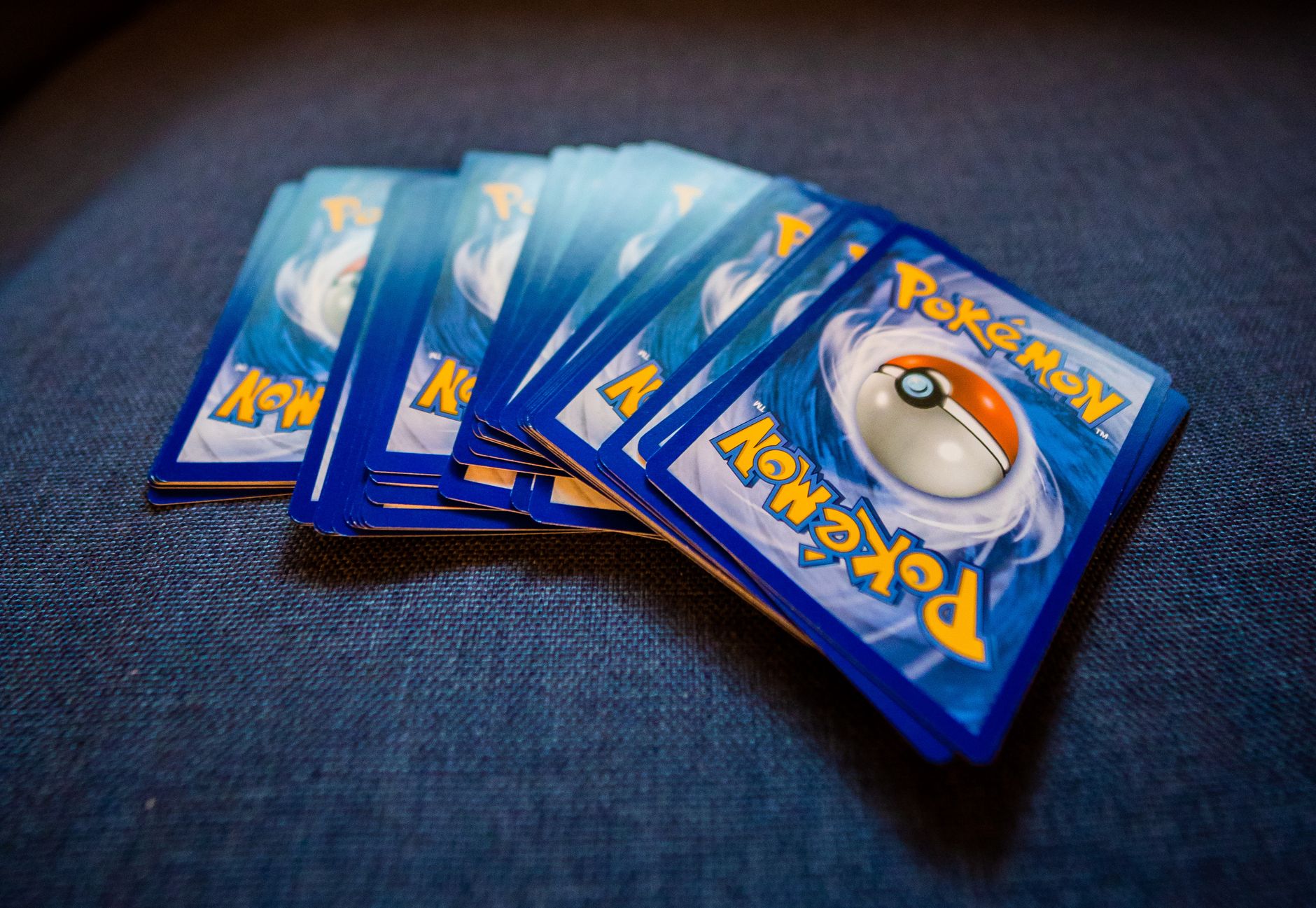
For a Pokémon 30th celebration release, favor singles if you want specific cards and sealed products if you value opening, displaying, or long-term unopened collecting. A balanced budget should reserve most money for known priorities while limiting packs to an amount you can enjoy without expecting a financial return.
"Singles" are individual cards purchased directly. "Sealed products" are unopened packs, boxes, tins, or collections. Because no verified product list, pull rates, print volume, or pricing is available here, plan with percentages rather than assumed release details.
Table of Contents
- Start With the Collection Goal
- When Singles Offer Better Control
- What Sealed Products Actually Buy
- Build a Flexible Release Budget
- Decide Before Buying Each Item
Start With the Collection Goal
Your goal should determine the budget before previews or social-media excitement influence it. set separate priorities for completing a set, collecting favorite Pokémon, opening packs, and keeping products sealed.
Singles usually fit collectors who want particular artwork, characters, rarities, or condition grades. Sealed products suit collectors who enjoy the opening experience or want intact display pieces. Write a short priority list before setting amounts: A budget without ranked goals can disappear into duplicate cards and extra packs while leaving nothing for the card you wanted most.
- Must-have cards or characters
- Products worth opening for entertainment
- Products intended for sealed display
- A maximum total spend
- Money held back for later price changes
When Singles Offer Better Control
buying singles replaces uncertain pack results with a known card, condition, and price. It is often the practical choice when only a few cards from a large checklist appeal to you. Singles also make costs easier to compare. A collector can examine centering, surface wear, seller photos, shipping charges, and return terms before committing. That control matters more for expensive cards or condition-sensitive collections.
Release-week prices can be unstable because supply and demand are still developing. Some cards may fall as more products are opened, while scarce or unexpectedly popular cards may remain firm or rise. There is no universal waiting period that guarantees a lower price. Use a target-price list instead of buying from urgency. Include taxes and shipping, and record whether each target is for a binder, display, or possible grading submission.
What Sealed Products Actually Buy
Sealed products buy an experience first: anticipation, pack opening, and a chance at unpredictable cards. They do not guarantee that the cards inside will match the product's purchase price. Treat opened products as entertainment spending. Decide how much the opening session itself is worth, even if the pulls are ordinary or duplicated. Stop when that allocation is gone rather than chasing a missing card.
Keeping a product sealed is a different collecting decision. Packaging condition, storage space, print volume, reprints, and future demand can all affect desirability. Anniversary branding alone does not guarantee appreciation. Choose sealed products for display only if you like the item without relying on resale. Protect them from crushing, sunlight, humidity, and large temperature swings, and avoid paying a premium for damaged packaging.
Build a Flexible Release Budget
A percentage-based plan remains useful when exact products and prices are unknown. For example, a collector focused on completing a set could assign 60% to singles, 25% to opening products, and 15% to a reserve. A collector who mainly enjoys opening might reverse the emphasis: 50% for packs or boxes, 30% for singles after opening, and 20% held back. A sealed-display collector could dedicate 50% to carefully selected unopened products, 30% to singles, and 20% to reserve.
The reserve prevents an early purchase from controlling the entire budget. It can cover an overlooked card, a later product wave, shipping costs, or a price that becomes more reasonable after initial demand settles. Keep the release budget separate from rent, bills, savings, and debt payments. Cards are discretionary purchases, and resale value can be uncertain even when a release attracts strong collector attention.
Decide Before Buying Each Item
Use the same quick test for every card or product: Track purchases as they happen, including tax, shipping, supplies, and marketplace fees. If one category goes over budget, reduce another category instead of quietly increasing the total.
Do not count duplicate pulls at optimistic asking prices when measuring what you spent. Record cash paid as the cost and treat any future sale proceeds only after the card sells and fees are deducted.
- Does this purchase match a written priority?
- Is the full cost within its budget category?
- Would I still want it if its resale price fell?
- For singles, have I checked condition and seller terms?
- For sealed items, am I opening, displaying, or storing it?
You Might Also Like
- Buying Guides Pokémon TCG August 2026 Update: What Changed, Why It Matters, and What to Watch Next
- Wrong Year on a Pokemon Slab Label: Mechanical Error, Variant, or Fraud?
- When to Seek an Independent Expert Opinion on a Pokemon Card Slab