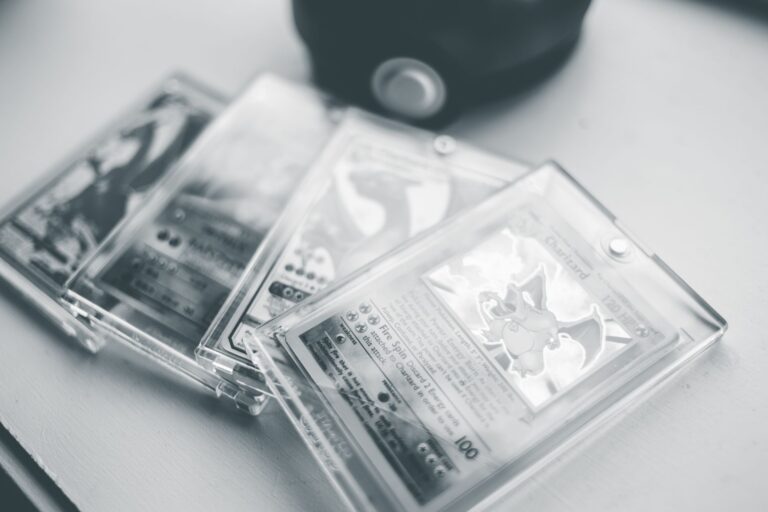
CGC certification images help confirm that a Pokémon card's front, back, and holder match its certification record. The front shows presentation, the back reveals common wear, and the holder view connects the card to its label and certification number. A certification image is a reference photograph associated with a graded card's record. It can support a purchase decision, but it cannot show every flaw or guarantee that a current listing depicts the same physical holder.
Table of Contents
- What the front image can reveal
- Why the back image matters
- What the holder view confirms
- How to compare certification and seller images
- Limits and warning signs
What the front image can reveal
Start with the front image when judging overall presentation. Check centering, visible corner damage, print alignment, stains, scratches, and whether the pictured card matches the expected set, language, and variant. Compare fixed details rather than relying only on color.
Holofoil patterns, print dots, edge shapes, and tiny marks can help distinguish one copy from another. Lighting and compression may change colors or hide fine surface defects. A high grade does not mean the card will look perfectly centered or flawless at every angle. Certification images also may not capture dents, faint scratches, or texture changes that appear only under moving light.
Why the back image matters
The back often provides the clearest evidence of edge and corner wear. White flecks stand out against the dark blue border used on many English Pokémon cards, while scratches and discoloration may be easier to spot on lighter areas. Inspect all four corners, then trace each edge. Also compare border widths to assess centering.
For Japanese cards or other designs, focus on repeated shapes and spacing rather than applying expectations based on English card backs. Do not assume every bright spot is damage. Glare, dust on the holder, image sharpening, and reflections can resemble whitening. Ask for current angled photographs when a mark could materially affect your buying decision.
What the holder view confirms
The holder image should show the complete slab: the sealed case containing the card, the grading label, and the certification number. Compare the label's card name, set information, grade, and any stated variation with the card below it. Check that the number shown in the seller's photos matches the certification record exactly.
A valid number alone is not enough because someone can copy a genuine certification number into an unrelated or misleading listing. Useful comparison points include: Minor visual differences can result from camera angle, lighting, or a card shifting slightly within normal holder clearance. Major differences in artwork, damage patterns, or label information require an explanation before purchase.
- Card position and orientation inside the holder
- Label details and certification number
- Distinctive marks visible in both record and listing images
- Case shape, seams, chips, cracks, or clouding
- Any label notation for a variation or special designation
How to compare certification and seller images
Open the certification record independently using the number shown on the label. Then place its images beside the seller's current photographs instead of comparing from memory.
Use a consistent sequence: For expensive cards, ask for sharp front, back, label, and angled-light images. Angled light can reveal scratches, dents, and holder damage that a straight-on certification photograph may miss.
- Confirm the certification number and grade.
- Match the card's set, number, language, and variation.
- Compare front centering and distinctive print features.
- Compare back corners, whitening, and visible marks.
- Inspect the current holder for damage or apparent alteration.
Limits and warning signs
Certification images document the card at one point in the grading process. They may not show later holder damage, storage problems, label tampering, or every defect considered during grading. Pause when the seller hides the certification number, uses only record images, crops out the label, or provides photographs that do not share identifiable card details.
Also investigate unexplained differences in whitening, corner shape, or print marks. Image matching supports identification; it does not replace checking the seller, return terms, payment protection, and the current condition of the slab. If the listing cannot supply a present-day photograph showing the card and full label together, treat that uncertainty as part of the purchase risk.