A Base Set Machamp card from 1999 is worth somewhere between $15 and $50 if you own an ungraded copy in reasonably good condition. The specific price depends on which printing you have—shadowless copies from the earliest print run command the higher end of that range, while unlimited edition copies typically sell for around $15. If you have a card graded by Professional Sports Authenticator (PSA), the value jumps dramatically. A PSA 10 gem mint copy can sell for $1,100 to $2,500, while a PSA 8 near mint copy typically ranges from $56 to $130.
The critical factor determining Machamp’s value isn’t rarity in the traditional sense—it’s the condition of the specific copy you own. For most collectors, the reality of Machamp Base Set values is less exciting than it first appears. This card was printed in the millions and has been graded professionally over 25,000 times, making it one of the most common rare cards from the original Base Set. The high prices you see listed online often don’t reflect actual sales. A Machamp with a PSA 10 grade is genuinely rare—only about 400 copies have ever achieved that grade—but most Base Set Machamps in circulation are worth what a copy would fetch on eBay with a simple auction: somewhere in the $15–$50 range.
Table of Contents
- WHY DOES GRADING DRAMATICALLY CHANGE MACHAMP’S VALUE?
- THE RARITY PROBLEM: WHY BASE SET MACHAMP ISN’T AS VALUABLE AS YOU MIGHT THINK
- SHADOWLESS VS. UNLIMITED VS. FIRST EDITION: UNDERSTANDING MACHAMP VARIANTS
- HOW TO DETERMINE YOUR MACHAMP’S ACTUAL VALUE
- THE EBAY PRICE TRAP: WHY LISTINGS DON’T REFLECT REAL SALES
- PSA 10 MACHAMP: A COLLECTOR’S HOLY GRAIL
- WHAT’S NEXT FOR BASE SET MACHAMP PRICES IN 2026 AND BEYOND
- Conclusion
WHY DOES GRADING DRAMATICALLY CHANGE MACHAMP’S VALUE?
The difference between an ungraded Machamp and a graded one is the difference between a $20 card and a $500+ card. Professional grading by PSA or BGS (Beckett Grading Services) assigns a numerical score from 1 to 10 that reflects the card’s condition. A PSA 5 rated Machamp, which might have light play wear and minor imperfections, typically sells for $14.50 to $27. Jump to a PSA 8, which has excellent centering and only light wear, and you’re looking at $56 to $130. The relationship isn’t linear—each grade tier represents exponentially higher demand among serious collectors who rely on these certifications to verify authenticity and condition. Grading matters because it removes the guesswork.
When you buy an ungraded Machamp, you’re trusting a seller’s assessment of “near mint” or “excellent,” which varies wildly from person to person. A collector might see light corner wear and call it excellent; another might view the same card as good condition. Grading services eliminate that ambiguity by having trained experts assign a consistent, numerical score. This standardization is why graded copies command such a premium. If you’re considering having your Machamp professionally graded, understand that the cost of grading (typically $20–$100 depending on the service) must be justified by the card’s condition. A visibly worn copy graded PSA 4 might increase in value by only $10, making the grading fee a net loss.

THE RARITY PROBLEM: WHY BASE SET MACHAMP ISN’T AS VALUABLE AS YOU MIGHT THINK
Machamp #8/102 appears in the original base Set, but only in specific products—the 2-Player Starter Sets and 2-Player CD-ROM Starter Sets. It was never included in booster packs, which is the most common way people acquired Base Set cards. This print restriction might suggest Machamp is scarce, but the opposite is true. These starter sets were produced in massive quantities, and Machamp’s holo rare slot in those sets means tens of millions of copies exist.
Over 25,000 have been graded by PSA alone, far more than truly rare cards like blastoise or Venusaur, which actually came from booster packs with lower pull rates. The practical limitation of Machamp’s abundance is that it will never become a high-value card unless you own one graded at PSA 9 or higher. A PSA 7 or below Machamp still costs less than $50 because the market is flooded with copies at those condition levels. Compare this to a card like Base Set Charizard, where even ungraded copies in poor condition fetch $100+, or a Blastoise, where even non-holo versions have collector demand. Machamp’s supply-to-demand ratio means that unless you get lucky with an exceptional copy that grades high, your Machamp’s value ceiling is significantly lower than its rarity tier alone might suggest.
SHADOWLESS VS. UNLIMITED VS. FIRST EDITION: UNDERSTANDING MACHAMP VARIANTS
The earliest Machamp copies came without a shadow behind the word “Pokémon” in the upper left corner—these shadowless printings are worth $40–$50 in retail condition. These cards came from the very first print run in 1999 and before the second edition printing began. Unlimited edition copies, which have a printed shadow visible on the card back and text, typically sell for around $15 in comparable condition. Both are holo rares, but the shadowless designation appeals to collectors pursuing “first print” variants, which drives the 3x price multiplier. A first edition stamp, which appears on some Base Set cards, is rarer on Machamp since the card’s limited distribution to starter sets meant fewer first edition printings to begin with.
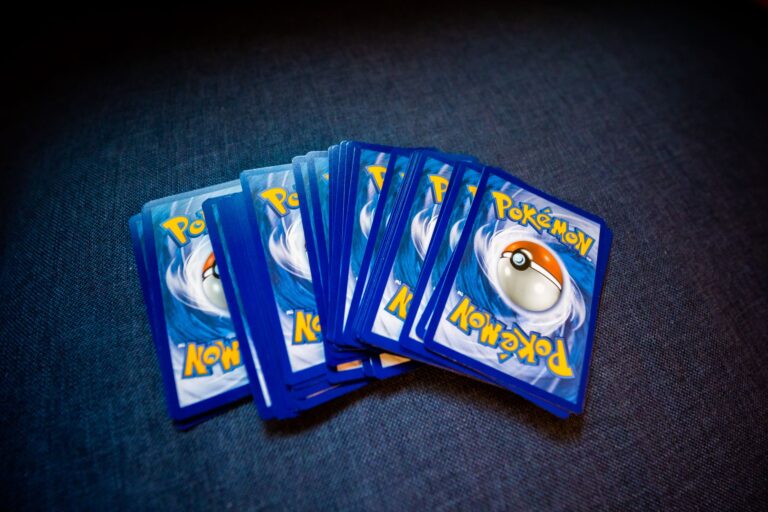
If you own an ungraded Machamp, the first question to ask yourself is which printing you have. Look at the card’s back: if there’s no visible shadow behind the word “Pokémon,” you likely have a shadowless copy worth trying to sell in the $40–$50 range. If you see the shadow, you have an unlimited copy. Check also for a “1st Edition” stamp on the left side of the card; if present, your card is slightly more valuable but still bound by the broader market values for ungraded copies. Many collectors assume a first edition designation automatically means high value, but Machamp’s first editions still follow the general pricing trends because of the card’s overall abundance.

HOW TO DETERMINE YOUR MACHAMP’S ACTUAL VALUE
To value your Machamp realistically, start by assessing its condition without bias. Look for centering issues (is the holo image centered on the card?), corner wear, surface scratches on the holo, and any stains or creases. Use PSA’s condition guidelines as a reference: a PSA 8 should have pristine centering and only light wear visible under close inspection. A PSA 5 will show clear evidence of casual play—bent corners, visible scratches, possible edge wear. Take photos under neutral lighting, both front and back, and compare them to actual sales data on completed eBay auctions rather than listed prices.
A Machamp listed for $200 that never sells is worth $0 to you; a Machamp that consistently closes auctions at $25 is worth $25. For ungraded copies, check recently sold eBay listings and the price guide to establish a market baseline. As of 2026, ungraded Machamp in mixed condition typically sells for $15–$40, with the higher end reserved for shadowless copies or those clearly in near-mint condition. If your copy looks like it might grade PSA 7 or higher, professional grading could be worthwhile—a PSA 7 Machamp sells for roughly $35–$50, which might justify a $20 grading fee if you’re selling. For anything below PSA 6, the grading fee erodes the profit margin, and you’re better off selling as ungraded.
THE EBAY PRICE TRAP: WHY LISTINGS DON’T REFLECT REAL SALES
One of the biggest mistakes Machamp collectors make is assuming a card is worth whatever a seller is asking for it. You’ll find Machamp listings on eBay starting at $50, $100, or even $500, and assume the market supports those prices. The reality is that the vast majority of those listings expire without selling. eBay completed auctions are your only reliable pricing source—filter for “sold” listings, and you’ll see that ungraded Machamps in typical condition consistently close in the $15–$35 range. Those $500 listings? They’re either misrepresented, priced by sellers who don’t understand the market, or they’re stalled inventory that never moves.
This distinction between asking price and actual sale price matters because it affects your selling strategy. If you want to sell your Machamp quickly at a fair price, check what similar graded and ungraded copies actually sold for in the past 30 days, not what they’re listed for. Auctions with buy-it-now options set too high rarely convert. If you price your Machamp at $25 when the market shows $25 sales regularly, it will sell within days. Price it at $50 based on a listing you saw, and it might sit for weeks unsold. The eBay price trap catches collectors because the most visible listings are often the overpriced ones.

PSA 10 MACHAMP: A COLLECTOR’S HOLY GRAIL
A PSA 10 gem mint Machamp is worth $1,100 to $2,500, which represents a 50–100x multiplier over an ungraded copy. This price reflects genuine rarity: only approximately 400 copies of Machamp have ever achieved a PSA 10 grade out of over 25,000 graded copies. That means roughly 1.6% of all graded Machamps reach the highest grade. Achieving a PSA 10 requires near-perfect centering, crisp corners, pristine holo surface, and flawless printing.
For a card from the base set era, manufactured nearly 25 years ago and stored in countless conditions, a PSA 10 Machamp is genuinely exceptional. The practical implication is that unless your Machamp is in museum-quality condition—which you likely would have already preserved carefully if it were—you won’t get PSA 10 value. Most collectors who own a PSA 10 Machamp discovered it in excellent condition during youth collections or acquired it specifically as an investment piece. If your card has been in circulation, played with, or stored in average conditions, a PSA 9 is the realistic upper ceiling, and even that requires exceptional luck and preservation.
WHAT’S NEXT FOR BASE SET MACHAMP PRICES IN 2026 AND BEYOND
Base Set Pokémon card prices in 2026 continue to stabilize after the speculative bubble of 2020–2021, when COVID lockdowns drove people to collect vintage cards and prices spiked artificially. Machamp’s value has settled into a predictable range: ungraded copies in the $15–$50 range for most variants, and graded copies following the PSA price guides. Unlike truly scarce cards, which might appreciate over time, Machamp’s abundance means significant appreciation is unlikely. The ~400 PSA 10 copies represent a fixed population, but demand for these copies is relatively niche compared to the demand for Charizard or Blastoise.
Looking forward, Machamp’s value will likely remain stable or decline slightly as more vintage collections enter the market and supply increases. Collectors pursuing complete Base Set collections need Machamp, which maintains baseline demand, but there’s no scarcity driving speculative interest. For most Machamp owners, the card functions best as part of a broader collection rather than as a standalone investment. Its value to you is best measured by whether you enjoy owning it, not by expectations of future appreciation.
Conclusion
A Base Set Machamp from 2026 is worth $15–$50 ungraded depending on its printing and condition, with professionally graded copies ranging from $14.50 for PSA 5 to $1,100–$2,500 for PSA 10. The key to understanding Machamp’s value is recognizing that it’s one of the most common Base Set rares despite its status as a holo rare, which means condition and grading determine almost everything. Check completed eBay sales rather than listings, assess your card’s condition carefully, and consider professional grading only if your copy genuinely appears to be in near-mint or better condition.
Your next step depends on what you want to do with the card. If you’re selling, take accurate photos, price it based on recently completed sales in its condition tier, and list it promptly to capitalize on consistent market demand. If you’re collecting, Machamp is an affordable addition to a Base Set collection, and its modest value makes it a low-risk purchase. Either way, avoid the temptation to price Machamp based on speculative listings—the market for this card is efficient and honest when you look at actual sales data.