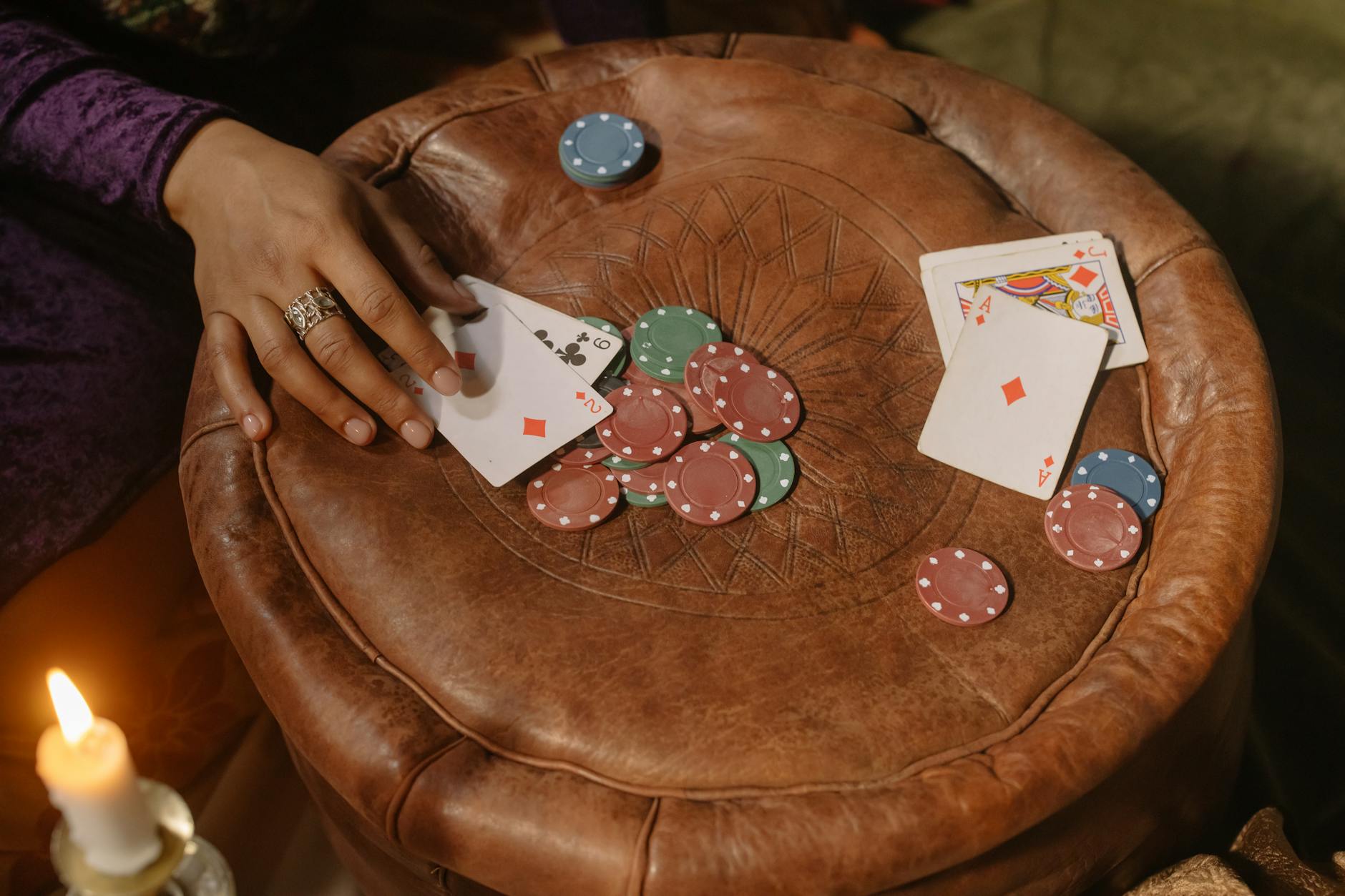
PSA 10 vintage Pokémon cards have become prohibitively expensive for most collectors, with prices that can reach 8.5 times higher than raw versions of the same card. A Base Set Shadowless Charizard illustrates this extreme: a raw copy trades around 4,500 euros, a PSA 9 reaches approximately 8,000 euros, and a PSA 10 climbs to 38,000 euros. As this pricing gap widens, PSA 8 cards are emerging as the practical alternative—they offer certification, meaningful value retention, and legitimacy without requiring collectors to spend the astronomical premiums associated with the highest grades. The market shift toward PSA 8 isn’t arbitrary. PSA 10 populations remain scarce, with many iconic vintage cards holding populations under 100, which creates intense competition among collectors and inflates prices further.
Meanwhile, PSA 8 cards deliver the bulk of what collectors actually want: proof of authenticity, recognition in the resale market, and significantly higher value than raw or ungraded cards. For a vintage card, achieving a PSA 8 grade requires the card to be “significantly better than average,” making it a legitimate, long-lasting entry point into the certified collector market. The economics are simple: vintage card collecting has stratified. At the top sits an elite tier of PSA 10 investors and ultra-wealthy collectors. But in the middle—where most collectors actually operate—demand is shifting downward to grades that are still rare, still valuable, but finally affordable.
Table of Contents
- Why Are PSA 10 Vintage Cards Commanding Such Extreme Price Premiums?
- Understanding PSA 8 Grade Standards and What It Actually Means for Value
- The Economics of Grading Costs and the ROI Calculation
- Building a PSA 8 Vintage Collection Strategy Without Overspending
- PSA 10 Population Scarcity and the Liquidity Paradox
- Alternative Grading Services and the Value Proposition Shift
- The Shifting Collector Mindset and Future of Mid-Grade Vintage
- Conclusion
Why Are PSA 10 Vintage Cards Commanding Such Extreme Price Premiums?
The psa 10 premium for vintage cards is staggering. Industry data shows that PSA 10 cards can sell for 5 to 10 times the value of the same card graded PSA 8 or 9, and for particularly iconic WOTC holographic cards, that premium can reach a shocking 20 times the lower grade price. This isn’t due to any dramatic difference in condition—the jump from a PSA 9 to a PSA 10 is a single grade. But in the vintage card market, that single grade step is effectively a binary divide between attainability and fantasy. The reason is simple economics. PSA 10s represent the absolute floor of perfection for a vintage card—a card that has survived 25+ years in near-pristine condition. Very few exist.
When a Charizard Base Set Shadowless PSA 10 can sell for 38,000 euros while a PSA 9 of the same card might fetch 8,000 euros, you’re looking at a 375% premium for one grade point. That premium exists because collectors and investors know they’re buying scarcity. There may only be 50 to 100 PSA 10 copies of that card in the world, while PSA 9s might number in the hundreds or low thousands. The problem is that this premium has become disconnected from practical collecting. A collector with 50,000 euros can buy a PSA 9 Charizard and still have real money left over, or they can overspend for a PSA 10 and feel like they got the “perfect” version. Most choose neither. Instead, they wait, and waiting is where PSA 8 demand begins to emerge.
Understanding PSA 8 Grade Standards and What It Actually Means for Value
A PSA 8 grade is not a consolation prize. To earn a PSA 8, a vintage card must be “significantly better than average”—a strict standard that reflects decades of careful storage and minimal handling. The grading scale itself is unforgiving: a PSA 8 means the card has only very light wear, minimal corner or edge issues, and a sharp presentation that would be immediately noticeable in a lineup of raw cards. For vintage WOTC cards from the late 1990s and early 2000s, achieving a PSA 8 means the card effectively escaped the chaotic collecting environment of that era. The value gap between PSA 8 and raw cards is significant but rational. Using the Charizard Shadowless example again, a raw copy sits around 4,500 euros, but a hypothetical PSA 8 version might trade for 12,000 to 15,000 euros—a 2.5 to 3.3 times premium.
That premium reflects what certification actually buys: authentication, grading consistency, and liquidity. It’s a meaningful jump in value without the explosive multiplication you see at higher grades. For collectors building a portfolio of vintage cards, this tier offers real progress toward a complete collection without requiring life-changing amounts of capital. The limitation to understand is that lower grades still come with resale friction. A PSA 8 will always be easier to move than a raw card, but it will never command the collector enthusiasm of a PSA 9 or 10. Some veteran collectors view anything below a 9 as “already compromised” and would rather own a raw card than a certified 8—a mindset that keeps PSA 8 prices from ever reaching the highs that ultra-competitive PSA 9 and 10 markets enjoy.
The Economics of Grading Costs and the ROI Calculation
Grading a vintage card isn’t free, and for valuable cards, the expense becomes a serious consideration in the investment decision. PSA grading costs range from 24.99 dollars to 9,999 dollars per card depending on service level and turnaround time, with the most accessible option falling in the 100-300 dollar range for turnaround times of 10 to 30 days. For a collector contemplating whether to grade a raw vintage card worth 5,000 to 10,000 dollars, adding 200 dollars to the grading tab means you need the certification to generate at least a 4 to 5 percent value jump just to break even. For PSA 8, you often get that—and then some. But this is where alternative grading services become relevant. SGC offers a 9 dollar grading cost with a 5 to 10 day turnaround and zero membership fees, making it dramatically more affordable than PSA for mid-range cards. CGC TAG offers competitive pricing at 12 to 15 dollars per card with AI-powered consistency in grading.
For a collector with a large pile of raw vintage cards, the choice between PSA (expensive) and SGC (affordable) becomes a calculation about total portfolio value versus certification prestige. If you’re grading 50 cards and paying PSA 200 dollars each versus SGC 9 dollars each, you’ve saved 9,550 dollars. That money reinvests directly back into buying more cards. The tradeoff is liquidity. PSA remains the liquidity gold standard, particularly for vintage cards, because PSA 10s command the highest resale premiums and have the strongest brand recognition among mainstream collectors and investors. A PSA 8 from SGC or CGC might be “just as authentic,” but it will likely sell for less money and take longer to find a buyer. For vintage cards where the price gaps are already enormous, choosing the cheaper grading option is sometimes a false economy if it means your collection becomes harder to sell later.
Building a PSA 8 Vintage Collection Strategy Without Overspending
A strategic collector can use PSA 8 grading as the centerpiece of a disciplined vintage acquisition plan. Instead of chasing the impossible dream of a PSA 10 Charizard Base Set at 38,000 euros, a collector with a 20,000 euro budget can own multiple certified vintage staples: a PSA 8 Charizard, a PSA 8 Blastoise, a PSA 8 Venusaur, and still have capital left over for investment in other chase cards. This approach transforms the collecting experience from aspirational fantasy into practical portfolio building. The specific advantage of PSA 8 is that it occupies the intersection of legitimacy and affordability. The card is certified by the hobby’s most recognized authority, which matters for resale and peace of mind. The price is high enough that you know you’re holding something real and rare, but low enough that you can actually build a diverse collection rather than narrowing your focus to a single card.
A collector who owns five PSA 8 vintage holos has a more interesting and more resilient portfolio than one who owns a single PSA 9. The practical limitation is patience and discipline. Building a PSA 8 vintage collection requires waiting for the right cards at the right prices—cards that have been graded but haven’t passed through multiple dealer markups. Many PSA 8 cards on secondary markets have been recertified multiple times and come with price premiums that reflect their auction history. Buying directly from grading returns or finding lightly-played inventory from card shops is where the real value exists. This requires fieldwork, not just browsing eBay.
PSA 10 Population Scarcity and the Liquidity Paradox
The fundamental driver of PSA 10 premiums is population scarcity. Many iconic vintage cards have PSA 10 populations under 100, which means that if you own one, you’re in a club of fewer than 100 people worldwide. That scarcity is real, and it’s what commands premium prices. But scarcity is also a trap. A card that’s owned by only 50 people can be nearly impossible to sell quickly if you need to move it. The illiquidity of ultra-rare PSA 10s is a real concern that doesn’t get enough discussion in collector forums. PSA 8 cards exist in much larger populations, which actually improves your selling options when you eventually decide to liquidate.
If a PSA 10 Charizard has 47 known copies, and only 3 are actively for sale at any given time, the market is thin and prices are volatile. If a PSA 8 version has 300 copies, and 30 are for sale at any given moment, there’s genuine market liquidity. You can sell your card within weeks at a predictable price. That liquidity advantage is worth quantifying when you’re considering a purchase—the difference between a quick sale and a three-month wait can mean substantial differences in price realization. The warning here is that PSA 8 cards from low-population sets (like Japanese vintage imports or first editions) can still face liquidity challenges. The population advantage of PSA 8 only matters if there’s genuine collector demand for that specific card. A PSA 8 of an ultra-niche card might sit in your collection for years. The strongest PSA 8 investments are cards that have proven mainstream appeal and are actively traded in the secondary market.

Alternative Grading Services and the Value Proposition Shift
The emergence of credible alternatives to PSA has fundamentally changed the economics of vintage card grading. SGC, a grading company with deep roots in sports cards, has entered the Pokémon market with aggressive pricing—9 dollars per card with turnaround times of 5 to 10 days. For a collector sitting on raw vintage cards, the choice is no longer “PSA or ungraded.” The choice is now “PSA, SGC, CGC TAG, or ungraded,” and each option has different implications for resale value and total acquisition cost. A practical example: a collector wants to grade 10 raw vintage holos. Using PSA’s standard service might cost 2,000 to 3,000 dollars and take 30+ days.
Using SGC costs 90 dollars and takes 10 days. The cost difference is staggering. If the collector’s intention is to build a diverse collection for personal enjoyment with some resale value, SGC makes mathematical sense. If the intention is to build a trophy collection of investment-grade cards that must command absolute maximum resale value, PSA remains the better choice despite the cost. The market will eventually clarify whether SGC and CGC grades achieve price parity with PSA 8s, but for now, they represent a genuine cost-saving opportunity for budget-conscious collectors.
The Shifting Collector Mindset and Future of Mid-Grade Vintage
The vintage Pokémon card market is experiencing a maturation that mirrors the comic book and sports card industries. In those markets, collectors eventually realized that owning a PSA 9.5 or 10 of every card is impossible, so they shifted their focus to “nice examples” of cards they love. That same mindset is beginning to take hold in Pokémon, and PSA 8 is precisely the grade where that shift happens.
A collector can own a PSA 8 of every major iconic card—Charizard, Blastoise, Venusaur, Alakazam, Machamp—and create a collection that’s meaningful, valuable, and still financially achievable. Looking forward, expect PSA 8 demand to continue climbing as entry prices for PSA 10s push into five-figure and six-figure territory for the rarest vintage cards. The market will gradually segment: ultra-wealthy collectors will pursue PSA 10s as pure investment vehicles, mainstream collectors will consolidate around PSA 8 as the “certified sweet spot,” and the raw and lightly-graded market will serve budget collectors and casual players. This segmentation is healthy—it creates a functioning market where multiple tiers of participants can find something that makes sense for their goals and resources.
Conclusion
PSA 8 vintage Pokémon cards represent the practical evolution of a market that has become priced out for ordinary collectors. They offer the legitimacy of certification from the hobby’s most trusted authority, price premiums that reflect real scarcity without reaching the stratospheric multiples of PSA 10s, and enough population depth to ensure liquidity when you eventually want to sell. For the collector building a vintage portfolio rather than chasing a single trophy card, PSA 8 is where the real value exists.
The path forward is clear: assess your collecting goals and budget, identify the cards you actually love (not the cards the market tells you to want), and build your collection at the grade level that makes sense for your situation. For most collectors, that means PSA 8, and that’s entirely appropriate. The hobby is large enough to accommodate all types of collectors, and the mid-grade tier is where the majority of meaningful collecting actually happens.
You Might Also Like
- Why Vintage Pokémon Cards May Keep Moving From Kids’ Toys to Serious Assets
- Why Base Set Water Energy Cards Are Lagging Behind the Rest of Vintage Pokémon During the Latest Vintage Rebound
- Why Base Set Energy Retrieval Cards Are Lagging Behind the Rest of Vintage Pokémon Since Late 2025