Base Set Potion cards have not become more valuable due to Pokémon 151’s release, and they remain undervalued—not because of the 151 set, but because of broader market forces that have long ignored vintage common Trainer cards. When Pokémon Card 151 launched in September 2023, it triggered a significant surge in modern card prices. Charizard ex Special Illustration Rare cards, for example, climbed from around $200 in 2024 to $254 or higher by September 2025, representing a 27% increase in just over a year.
However, this market momentum affected contemporary cards and chase cards from the 151 set itself, not retroactive pricing of decades-old common Trainer cards like Potion #94 from Base Set. The reality is that Base Set Potion cards remain undervalued for reasons entirely separate from what happened in 2023 and 2024. Sealed Base Set theme decks and starter sets have long been considered scarce and undervalued compared to booster boxes, yet Potion as a common Trainer card exists in such abundance that collectors have largely overlooked it. The Pokémon 151 phenomenon created wealth and attention in the collecting community, but almost none of that capital or focus has flowed backward to address the valuation gap for bulk vintage commons.
Table of Contents
- How Pokémon 151 Changed the Modern Card Market Without Lifting Vintage Commons
- Why Vintage Commons and Trainer Cards Remain Perpetually Undervalued
- Market Segmentation: Chase Cards Versus Bulk Vintage Commons
- Grading and Authentication—A Brake on Potion Card Appreciation
- Storage and Speculation Economics: Why No One Holds Commons
- Opportunities in Bulk Vintage Trainer Card Lots
- Future Outlook—Will Base Set Commons Ever Revalue?
- Conclusion
- Frequently Asked Questions
How Pokémon 151 Changed the Modern Card Market Without Lifting Vintage Commons
Pokémon 151 was released in Japan on June 16, 2023, and arrived in English-speaking regions on September 22, 2023, creating immediate scarcity and demand for sealed product and chase cards from that set. The market data is clear: collectors rushed to pull modern cards from 151, driving prices on the hottest cards higher and sustaining that momentum for years. Yet this same influx of collector interest and spending did not translate into broad appreciation for older sets. The 151 release was framed as a celebration of first-generation Pokémon, which created nostalgia but directed that nostalgia toward *new cards* with first-generation Pokémon, not toward base set originals.
This is an important distinction. When a new set launches with strong demand and generates media attention, it typically lifts cards from that set, adjacent products from the same era, or cards directly related to the launch. It rarely causes investors or collectors to revisit commodity cards—those that exist in huge quantities and were already underpriced—from older sets. Base Set Potion is not a chase card, a secret rare, or an alternate art that collectors sought out; it’s a utility Trainer that millions of players included in decks because it was cheap and functional.

Why Vintage Commons and Trainer Cards Remain Perpetually Undervalued
Base Set Potion belongs to a category of cards that the collecting market has essentially written off: vintage common Trainer cards. These cards were printed in massive quantities during the original run and again during numerous reprints and resets. Potion was printed in Base Set, then in virtually every Standard format expansion for years afterward. The supply is enormous, and the demand is nearly zero from a collectibility standpoint. A graded Base Set Potion in gem mint condition—a PSA 10—might sell for $20 to $50, depending on the specific moment and buyer demand, while a Base Set Potion PSA 7 or PSA 8 can fetch under $10.
The fundamental limitation here is that common Trainer cards do not appeal to the two main segments of the pokémon card market: nostalgia collectors and competitive players. Nostalgia collectors want iconic Pokémon, holographic cards, or cards associated with their favorite moments from childhood. Competitive players have no interest in vintage cards at all. A collector who spent $500 rebuilding a partial Base Set collection will leave the Potion cards off their list, because those cards do not represent a milestone or a flex. Meanwhile, tournament grinders and casual players have no reason to pay collector pricing for vintage common Trainer cards when reprints from the Standard format cost pennies.
Market Segmentation: Chase Cards Versus Bulk Vintage Commons
The Pokémon card market is now clearly segmented into a few tiers, and Base Set Potion sits in the lowest tier by attention and capital allocation. The highest tier includes modern chase cards from new releases—cards like the Charizard ex Special Illustration Rare from Pokémon 151 or chase holos from contemporary sets that see $50 to $1,000+ prices. The second tier includes vintage chase cards: Base Set Charizard, Blastoise, Venusaur, shadowless cards, and first editions that command prices in the hundreds to tens of thousands. The third tier includes vintage non-holo rares and uncommons that still carry nostalgic weight.
Base Set Potion cards occupy the fourth tier: vintage commons, non-holo Trainer cards with no scarcity factor and no narrative. Sealed Base Set theme decks, which represent a scarcity unto themselves, are undervalued at a higher price point than individual loose Potion cards—a theme deck in near-mint condition might sell for $150 to $300, while the Potion card inside it is worth less than $5. This pricing gap reveals the market’s actual assessment: the deck as a sealed artifact has value, but the individual common cards within it do not. Collectors are not paying for the Potion; they are paying for the sealed vessel, the nostalgia of the original product, and the rarity of finding sealed 1999 merchandise.

Grading and Authentication—A Brake on Potion Card Appreciation
One reason Base Set Potion cards remain undervalued is practical: the cost of grading and authenticating a common Trainer card can exceed its eventual sale price. A PSA grading submission costs $20 to $50 depending on turnaround time. A Base Set Potion, even in exceptional condition, will rarely sell for more than $50 after grading fees, shipping, and the secondary market’s margin expectations. For a seller, the math does not work. An ungraded Base Set Potion might sell for $2 to $8 on the open market, and a graded example might reach $15 to $30, but the grading fee eliminates the profit.
This disincentive to grade is unique to low-value cards and creates a ceiling on their appreciation. The tradeoff is that serious collectors and investors are far less likely to purchase ungraded vintage cards in 2026 than they were in 2006. The Pokémon card market has professionalized around graded authentication, authentication services, and the PSA/BGS grading scale. An ungraded Base Set Potion, even if visually flawless, carries risk that a buyer will either demand a discount for the lack of provenance or will pass altogether. This authentication tax does not affect modern cards (which remain abundant and new) or high-value vintage cards (where the grading fee is negligible as a percentage of sale price), but it directly suppresses the market for mid-tier and low-tier vintage commons.
Storage and Speculation Economics: Why No One Holds Commons
A final structural reason why Base Set Potion cards remain undervalued relates to the economics of speculation and storage. A collector who invests $1,000 in Pokémon cards will almost never allocate any portion of that budget to common Trainer cards, because the opportunity cost is too high. That $1,000 could instead purchase a single Base Set Charizard, or ten modern chase cards, each of which has narrative, scarcity, or growth potential. Alternatively, the $1,000 could be stored as high-grade vintage holos or shadowless uncommons that have proven track records of appreciation.
The warning here is not to expect common Trainer cards to suddenly appreciate as a category without a fundamental shift in how the market values them. That shift would require either massive deflation in high-value cards (which would cascade from speculation to survival mode) or an entirely new collector segment that values vintage commons for reasons unrelated to nostalgia or competitive utility. Neither is happening. The Pokémon 151 boom created wealth among card speculators, but none of that wealth has been directed toward purchasing and holding Base Set Potion cards.
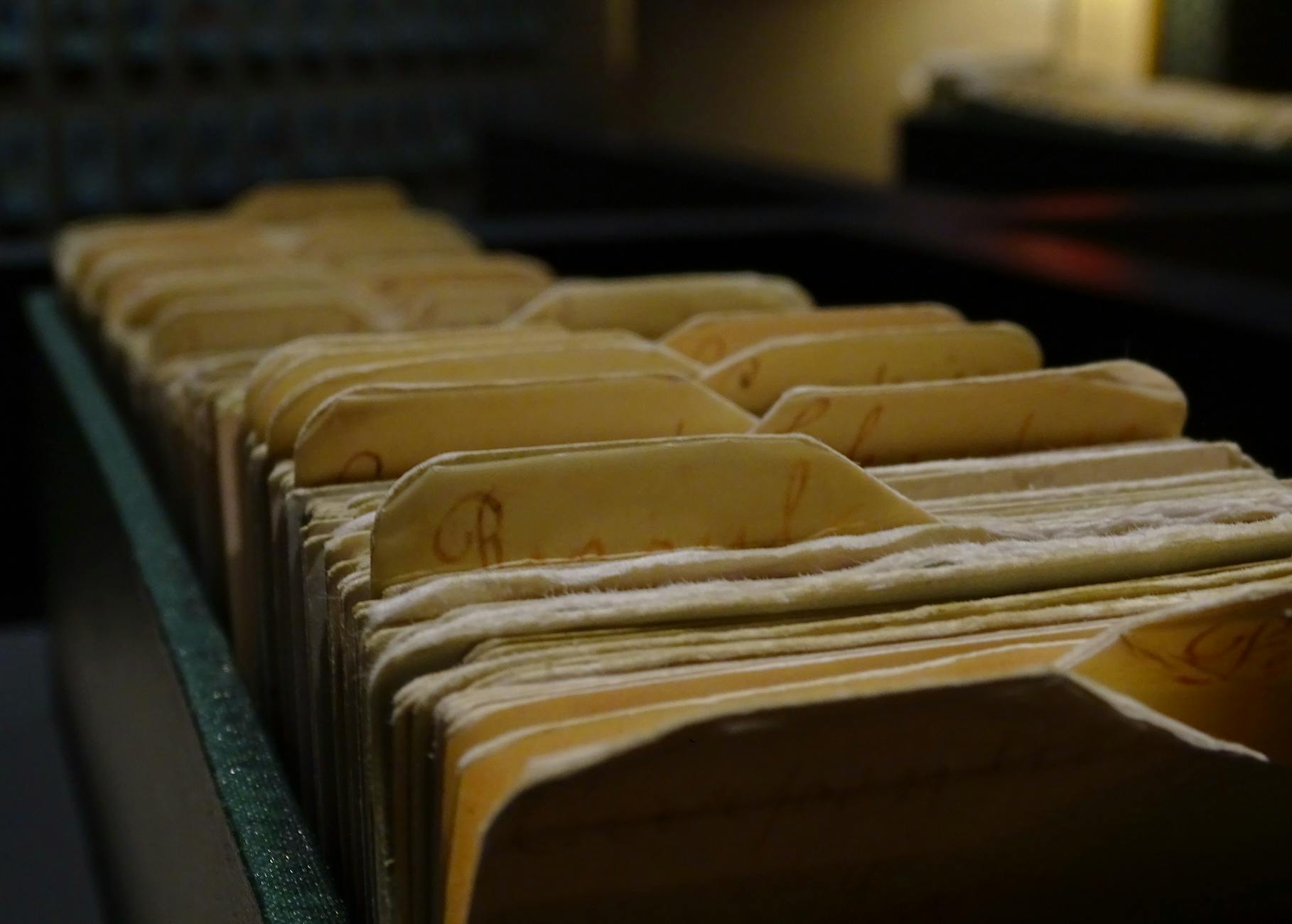
Opportunities in Bulk Vintage Trainer Card Lots
Despite—or perhaps because of—the low value of individual Base Set Potion cards, there are occasional opportunities in bulk lots. A seller might offload fifty common Trainer cards from Base Set, including multiple Potions, for $50 to $100 total.
For a new collector trying to complete a Base Set playset or build a nostalgic vintage deck, these lots represent real value. A Base Set Potion at $1 to $2 per card in a bulk lot is a fair price compared to the open market. The downside is that buying in bulk ties up capital in low-appreciating inventory, and shipping costs become a larger percentage of the total value, making bulk transactions less attractive to distant buyers.
Future Outlook—Will Base Set Commons Ever Revalue?
The market for Base Set commons is unlikely to reverse course in the near future. Pokémon 151 brought renewed attention to the franchise and modern card products, but it reinforced the existing hierarchy: chase cards and nostalgia-driven vintage holos at the top, commons at the bottom.
If anything, the Pokémon 151 boom has accelerated the professionalization of the market, making grading more expensive and storage more premium, which pushes smaller and lower-value cards further down the valuation scale. A scenario in which Base Set Potion cards significantly appreciate would require either a major shortage of sealed Base Set product (currently abundant), a new collector demographic that explicitly seeks vintage commons for aesthetic or novelty reasons, or a shift in how the competitive Pokémon TCG values historical Trainer cards in tournament play—none of which are in motion. For now, Base Set Potion remains where it has been for decades: a useful card when you want to build a vintage casual deck, an affordable entry point into Base Set collecting, and a reminder that not all vintage Pokémon cards are investments.
Conclusion
Base Set Potion cards remain undervalued, but Pokémon 151’s release did not create or worsen that undervaluation. The 151 set’s market impact was confined largely to modern cards and chase cards from that set, while Base Set commons have been chronically undervalued by the broader market for over two decades. Common Trainer cards like Potion occupy the lowest tier of collector interest, with no scarcity, no chase narrative, and no competitive demand to support higher prices.
Grading economics and storage costs further suppress their value. If you are interested in Base Set Potion cards, view them as affordable building blocks for casual vintage decks or as bulk acquisition opportunities rather than as investment vehicles. The market is unlikely to suddenly revalue commons, and the most reliable way to profit from vintage Pokémon cards remains the acquisition and appreciation of holos, rares, and chase cards with clear collector demand.
Frequently Asked Questions
Did Pokémon 151 have any impact on Base Set Potion card prices?
No. Pokémon 151’s release in September 2023 drove up prices for modern cards from that set, particularly chase cards like Charizard ex Special Illustration Rare (up 27% by September 2025), but it did not retroactively affect pricing for Base Set commons like Potion. The 151 boom was confined to contemporary products.
Why are Base Set common Trainer cards so cheap?
Potion and similar common Trainer cards were printed in enormous quantities and have no scarcity, nostalgia appeal, or competitive demand. The market has no reason to assign them value beyond their utility in casual play or bulk collections.
Is it worth grading a Base Set Potion card?
Generally no. Grading fees ($20–$50) typically exceed or eliminate the profit margin on a common Trainer card, even in gem mint condition. Ungraded examples remain the standard for this tier of card.
Will Base Set commons ever become valuable?
Unlikely in the foreseeable future. A major market shift would be required—either a new collector demographic, a shortage of sealed Base Set product, or competitive demand for vintage commons—none of which are currently happening.
What is the typical price range for a Base Set Potion card?
An ungraded Base Set Potion typically sells for $2–$8 depending on condition. Graded examples (PSA 8–10) may reach $15–$50, but grading fees make this uneconomical for sellers in most cases.
Should I buy Base Set Potion cards as an investment?
No. These cards are appropriate for casual collectors completing a vintage deck or for bulk acquisition at low prices, but they show no appreciation trajectory and carry no investment narrative. Capital is better allocated to holos, rares, or chase cards.