Base Set Computer Search cards occupy an interesting middle ground in the Pokemon TCG market. While the general Base Set category has shown modest growth and maintains collector interest, Computer Search specifically remains less talked about than power hitters like Charizard or Blastoise. The honest answer is that Computer Search cards are neither notably undervalued nor overvalued—they track reasonably with broader Base Set trainer card trends, which themselves have benefited from the 25th anniversary milestone and the nostalgia wave it triggered. If you own a first edition Computer Search in near-mint condition graded PSA 9 or higher, it’s worth checking current market rates, as these cards have appreciated modestly since 2024, but the growth trajectory is steady rather than explosive. The 25th anniversary did reshape what collectors pursue, and this created genuine shifts in the Base Set market.
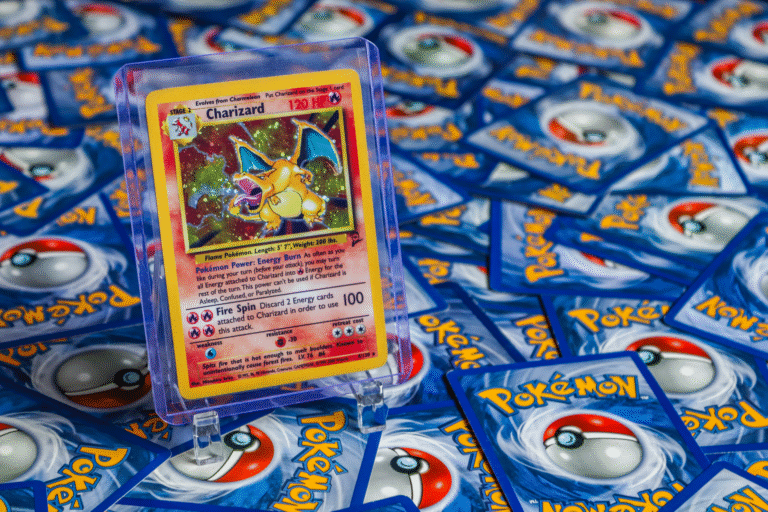
Sealed theme decks and starter sets from the early Pokemon era have emerged as the true undervalued segment, with experts projecting 15-25% annual growth as the 30th anniversary approaches. Computer Search, being a trainer card rather than a creature, doesn’t command the same emotional attachment that drives demand for iconic Pokemon like Charizard—which trades near $168,000-$170,000 for a PSA 10 first edition as of mid-2026. This reality check matters: Computer Search exists in a market segment where pricing reflects its playable utility and historical significance rather than the kind of scarcity premium that powers truly rare cards. The most important caveat is that real-time pricing for Computer Search requires checking live marketplaces directly. TCGPlayer, the price guide, and Pokemon Wizard all offer current data that fluctuates weekly based on sales volume and collector demand. Relying on old price guides or assumptions can lead to poor buying or selling decisions.
Table of Contents
- Where Does Computer Search Sit in the Base Set Hierarchy?
- The Grading Question and Hidden Value
- Comparing Computer Search to Other Base Set Trainers
- Deciding Whether to Buy or Grade Computer Search Now
- Watching for Market Oversaturation
- Checking Live Prices Before Committing
- The Broader 30th Anniversary Outlook
- Conclusion
Where Does Computer Search Sit in the Base Set Hierarchy?
Computer Search was printed in base set as card 71, a powerful trainer that saw competitive play during the original trading card era. Its functionality—drawing up to three cards from your deck—made it a staple in tournament decks, which means high-condition first edition copies are less common than some other Base Set trainers that saw lighter competitive play. However, Computer Search doesn’t occupy the prestige tier of cards like Charizard or Venusaur. It’s a working card, not a headline card, and the pricing reflects that distinction.
An ungraded first edition Computer Search in good condition typically sells for $30-80 depending on condition, while near-mint examples might fetch $150-300 raw. The post-25th anniversary market elevated nostalgia-driven purchases across Base Set, but this benefited the most recognizable cards disproportionately. Japanese exclusive promotional cards have shown the strongest gains and remain on an upward trajectory according to market analysis from 2026. Computer Search, being from the English Base Set rather than a Japanese exclusive, doesn’t benefit from that particular premium driver. This is a limitation worth acknowledging: if you’re chasing cards with the highest growth potential, Japanese promos and sealed vintage products offer better tailwinds than standard Base Set trainers.

The Grading Question and Hidden Value
Deciding whether to grade a Computer Search requires understanding the investment math. TCG grading experts recommend only grading cards worth $50 or more raw that appear near-mint or better, because grading costs must be justified by the potential value increase. For Computer Search, this is a real gating factor. If you have a card that looks like it might grade PSA 8 or 9, the grading fee alone ($30-100 depending on turnaround) could consume your profit margin unless the raw card is genuinely exceptional.
A graded PSA 9 Computer Search might sell for $400-600, compared to $200-350 raw for the same card. That difference sounds meaningful until you subtract grading and shipping costs, and the fluctuation is volatile enough that market timing matters. Vintage holos continue their long-term upward trend, and Computer Search qualifies as a vintage holo trainer with real playable history, but the growth rate is modest compared to artwork-driven cards or creatures that appeal to decorative collectors as well as players. This is the hard reality many collectors skip: grading makes sense for elite examples, but borderline cases—your “pretty nice” Computer Search rather than your “exceptional” one—often lose money in the grading-and-resale cycle.
Comparing Computer Search to Other Base Set Trainers
To contextualize Computer Search’s value, compare it to other Base Set trainers of similar era and function. Item Finder (card 92) offers different utility and commands different secondary market pricing. Potion, Full Heal, and other common trainers from Base Set are nearly worthless unless first edition and graded. Rare trainers like Bill and Professor Oak track more closely with Computer Search but tend to sell at a discount because they’re less competitively remembered. The trainer category within Base Set is fragmented: some cards have grown specifically because of Pokemon competitive legacy, while others remain stagnant.
Computer Search’s advantage is that it’s known to vintage TCG players and Constructed format enthusiasts who remember the card’s competitive dominance. This creates a baseline floor for demand that cards with purely collector appeal lack. However, this same awareness means the market has already priced in its historical significance. There’s no hidden gem effect here—anyone buying or selling Computer Search is doing so with full knowledge of what it was and why it mattered. For buyers, this means no surprise upside; for sellers, it means no friction in finding buyers at fair market rates.

Deciding Whether to Buy or Grade Computer Search Now
If you’re considering buying Computer Search as an investment, the practical question is whether to target raw cards or already-graded examples. Raw first edition Computer Search in good condition represents better value for most buyers because you preserve optionality: you can hold it raw, grade it later if it appreciates further, or sell it quickly without being locked into a graded slab that takes longer to move. The annual growth projections of 15-25% that apply to sealed theme decks don’t apply uniformly to individual trainer cards, so you’re betting more on stable appreciation than explosive returns.
The tradeoff: raw cards are cheaper to acquire and more flexible to manage, but they carry the burden of proving condition to potential buyers. Graded cards move faster and eliminate condition disputes, but they lock you into a specific grade and come with that execution risk if you misjudged the card’s actual quality. For Computer Search specifically, holding raw near-mint copies is the more practical choice unless you already have multiple examples and want to lock in a grade on your best specimen.
Watching for Market Oversaturation
One warning that deserves attention: Base Set reprints and nostalgia waves can drive unexpected supply increases. While Computer Search itself was never reprinted at the same power level, the broader Base Set category has seen re-releases and anniversary products that increase the available near-mint inventory over time. This doesn’t crash prices, but it applies downward pressure on growth rates.
If you’re holding Computer Search with the expectation of 20% annual appreciation, temper that estimate against the possibility that future anniversary products or market shifts could flatten demand. Additionally, the grading market itself has become more competitive and accessible, meaning that fewer raw cards stay ungraded as collectors pursue higher prices. This can actually work in your favor if you own raw examples, because the market maintains clear price separation between raw and graded tiers. However, it also means oversupply in the grading backlog could slow turnaround times, affecting the speed at which you can capitalize on price spikes.

Checking Live Prices Before Committing
The verified facts available online cover the broader Base Set market and general Pokemon card investment trends, but Computer Search-specific current pricing requires checking live marketplaces directly. TCGPlayer, the price guide, and Pokemon Wizard maintain real-time sales data that changes weekly based on available inventory and recent transactions. A Computer Search that was worth $250 raw six months ago might be $220 or $300 now depending on how many copies have sold and what conditions they were in.
Before buying or selling, run multiple sources in parallel. If Computer Search is listed at $200 on one marketplace and $320 on another, the discrepancy tells you something about inventory turnover or marketplace economics on that particular platform. Don’t assume a low price is a deal—it might reflect a platform with higher shipping costs or slower listing velocity. Conversely, a high price might be an outlier listing rather than representative market rate.
The Broader 30th Anniversary Outlook
Looking ahead, the Pokemon card market will likely repeat the pattern it followed into the 25th anniversary: increased nostalgia-driven spending, renewed interest in original sets, and modest inflation in card values as new and returning collectors re-enter the hobby. Computer Search will benefit from this tide, but as a support card rather than a flagship piece. The cards that will truly surge are those with multiple appeal vectors: competitive playability (historical or contemporary), artwork value, rarity, and collector name recognition.
Computer Search checks the competitive and rarity boxes but doesn’t have the artwork or name recognition of creature cards. For long-term positioning, Computer Search deserves a role in any vintage Base Set portfolio, but not as a primary holding. It’s a solid role player in a collection, not a star investment. If the broader Base Set market continues its projected growth trajectory into 2028-2029, Computer Search will appreciate alongside it, but expect steady gains rather than the kind of breakout that occasional cards experience.
Conclusion
Base Set Computer Search cards are appropriately valued, not undervalued. They’ve appreciated modestly since the 25th anniversary, and they track with broader Base Set trainer trends that show promise as the 30th anniversary approaches. If you own high-grade first edition copies, they represent solid collector assets with no immediate pressure to sell, but equally no compelling reason to overpay to acquire more. The undervalued segment of Base Set exists elsewhere: in sealed theme decks and starter sets, which experts project at 15-25% annual growth potential. Computer Search is a legitimate vintage card with competitive history, but it’s not a hidden gem or a sleeping giant.
Your next step should be straightforward: check current market prices on TCGPlayer or the price guide to see where Computer Search is trading right now. Compare raw near-mint prices against graded PSA 9 and PSA 10 examples, and make your decision based on whether you’re buying for collection completion or investment return. If grading is on your mind, only pursue it for truly exceptional examples where the cost is justifiable. Otherwise, hold raw or pass. Computer Search will continue its steady appreciation as part of the broader Base Set renaissance, but don’t expect it to outperform the market or move dramatically in either direction.