
Several Pokémon cards have jumped in value this week, driven by a combination of record-breaking auction sales and sustained collector demand across both vintage and modern sets. The broader market is up 0.7% this week alone, with a 17.6% surge over the past 30 days as of May 23, 2026, indicating strong momentum across the category. Most notably, recent headline sales—including a Trophy Pikachu No.
3 Trainer that sold for $1.45 million at Goldin Auctions in May—have reinvigorated interest in high-grade cards and drawn fresh capital into the market. The price increases this week aren’t isolated to one era or card type. Modern cards from recent sets like Stellar Crown and Phantasmal Flames are experiencing rapid gains, while classic cards from the Base Set continue to command the highest absolute values. For collectors watching the market, this week represents a window where both established investments and newer acquisitions are appreciating simultaneously, though the drivers behind each category’s gains differ significantly.
Table of Contents
- Record-Breaking Sales and Their Ripple Effects on the Market
- Modern Era Cards Doubling in Value—Where the Weekly Gains Are Sharpest
- Understanding What’s Driving This Week’s Price Increases
- The Charizard Premium—Why Certain Characters Command Disproportionate Value
- Grading and Authentication—Why PSA 10s Command Exponentially Higher Premiums
- Japanese and International Grading Markets—An Emerging Factor in Pricing
- Market Outlook—Will This Week’s Gains Sustain?
- Conclusion
Record-Breaking Sales and Their Ripple Effects on the Market
The most dramatic catalyst for this week’s price movement has been the continued dominance of ultra-high-value sales at major auction houses. The Trophy Pikachu No. 3 Trainer sale in May 2026 exemplifies how single landmark transactions can reverberate through the entire collector ecosystem. This particular card achieved a winning bid of $1.45 million, which climbed to $1.769 million after the 22% buyer’s premium—a figure that reaffirms Pikachu’s position as one of the most sought-after pokémon in the hobby.
Even more staggering is the Pikachu Illustrator PSA 10, which reached $16.5 million at Goldin Auctions in February 2026, establishing the highest price ever recorded for a Pokémon card in any sale. These megaauctions matter because they reset collector expectations about what cards can be worth. When the Pikachu Illustrator achieved $16.5 million, it validated the premise that certain first-edition, low-population cards deserve astronomical valuations. That realization has cascaded into secondary markets, where even moderately high-grade versions of sought-after cards have attracted renewed interest. Collectors who own graded Pikachu or Charizard cards, even in lower grades, have seen their holdings gain relevance as a result.

Modern Era Cards Doubling in Value—Where the Weekly Gains Are Sharpest
While vintage cards grab headlines, the most dramatic percentage gains this week are concentrated in recent release sets. Dachsbun ex from Stellar Crown has doubled in price since the set’s release and now ranks as the third-most valuable card in that set’s secondary market. This surge reflects a dynamic where competitive playability and collector speculation converge; cards seeing tournament use tend to spike when pros place them in winning decks, and that visibility translates directly to secondary market demand.
Shiny Mimikyu from Paldean Fates represents another modern success story, with the card’s market price doubling after appearing prominently on Elite Trainer Boxes. This is instructive because it shows that distribution method and visual appeal can drive collector appetite independent of vintage status or rarity. Mega Charizard X ex from Phantasmal Flames went from $800 to over $54,000 in March 2026—a breathtaking 67x increase—though it’s worth noting that this particular card’s extreme volatility suggests liquidity is limited. Not every card that spikes this dramatically sustains those gains; outsized moves often correct as more copies enter the market or hype cycles cool.
Understanding What’s Driving This Week’s Price Increases
Several distinct forces are pushing prices higher simultaneously. First, the market’s overall 17.6% gain over 30 days reflects genuine collector activity, not just auction house noise. Platforms like TCGPlayer, where thousands of transactions occur daily, show sustained hourly price tracking updated as of May 23, 2026, confirming that retail demand is consistent. Second, recent high-profile sales create what’s known as price discovery—they establish legitimate reference points for what similar cards might command, giving collectors confidence to bid higher on their own holdings.
Japan’s market activity also feeds into global pricing. Japanese booster packs increased from ¥180 to ¥200 this month, while booster boxes climbed from ¥5,400 to ¥6,000, representing an 11.1% jump. Since Japan is the second-largest Pokémon market after North America, price increases there inevitably push up international demand and pricing. Collectors in North America and Europe watch Japanese market movements carefully; when Japanese inventory becomes more expensive to import, local versions gain value by comparison.

The Charizard Premium—Why Certain Characters Command Disproportionate Value
Across every era and set, specific Pokémon maintain consistent premiums. Charizard, Pikachu, Mewtwo, and Umbreon command higher prices regardless of when their cards were printed. This week is no exception: a 1st Edition Base Set Charizard in PSA 10 condition remains priced above $550,000, reflecting buyer appetite that spans casual collectors and serious investors. The Mega Charizard X ex spike earlier this year demonstrates that even modern interpretations of these classic characters attract premium valuations.
The limitation here is liquidity. While a $550,000 Charizard may have a market price, actually selling one at that price requires finding a qualified buyer with both capital and conviction. For most collectors, this means owning moderately graded versions ($500 to $10,000 range) that have broader buyer interest. The gap between what a card is “worth” on a price database and what you can actually sell it for grows dramatically as prices climb.
Grading and Authentication—Why PSA 10s Command Exponentially Higher Premiums
Every price milestone mentioned this week—the Trophy Pikachu, the Mega Charizard X, the Base Set Charizard—involves cards that are professionally graded, typically at the highest tiers (PSA 10 or PSA 9). A PSA 10 card has achieved near-mint condition, which is extraordinarily rare for cards printed decades ago. This week’s price movements have reinforced the market’s obsession with high grades; a PSA 9 version of the same card might sell for 40-60% less, and an ungraded version for less still.
The warning here is that PSA turnaround times and grading consistency have become bottlenecks. If you’re holding raw (ungraded) cards you think are worth submitting, expect 3-6 months of waiting, and there’s always the risk that the card doesn’t receive the grade you expected. Additionally, the secondary market for lower-grade cards (PSA 5-7) has become increasingly difficult to move quickly, as buyers gravitate toward investment-grade specimens. For practical collectors, this means understanding your own collection’s realistic liquidation timeline before assuming grade-based valuations.
Japanese and International Grading Markets—An Emerging Factor in Pricing
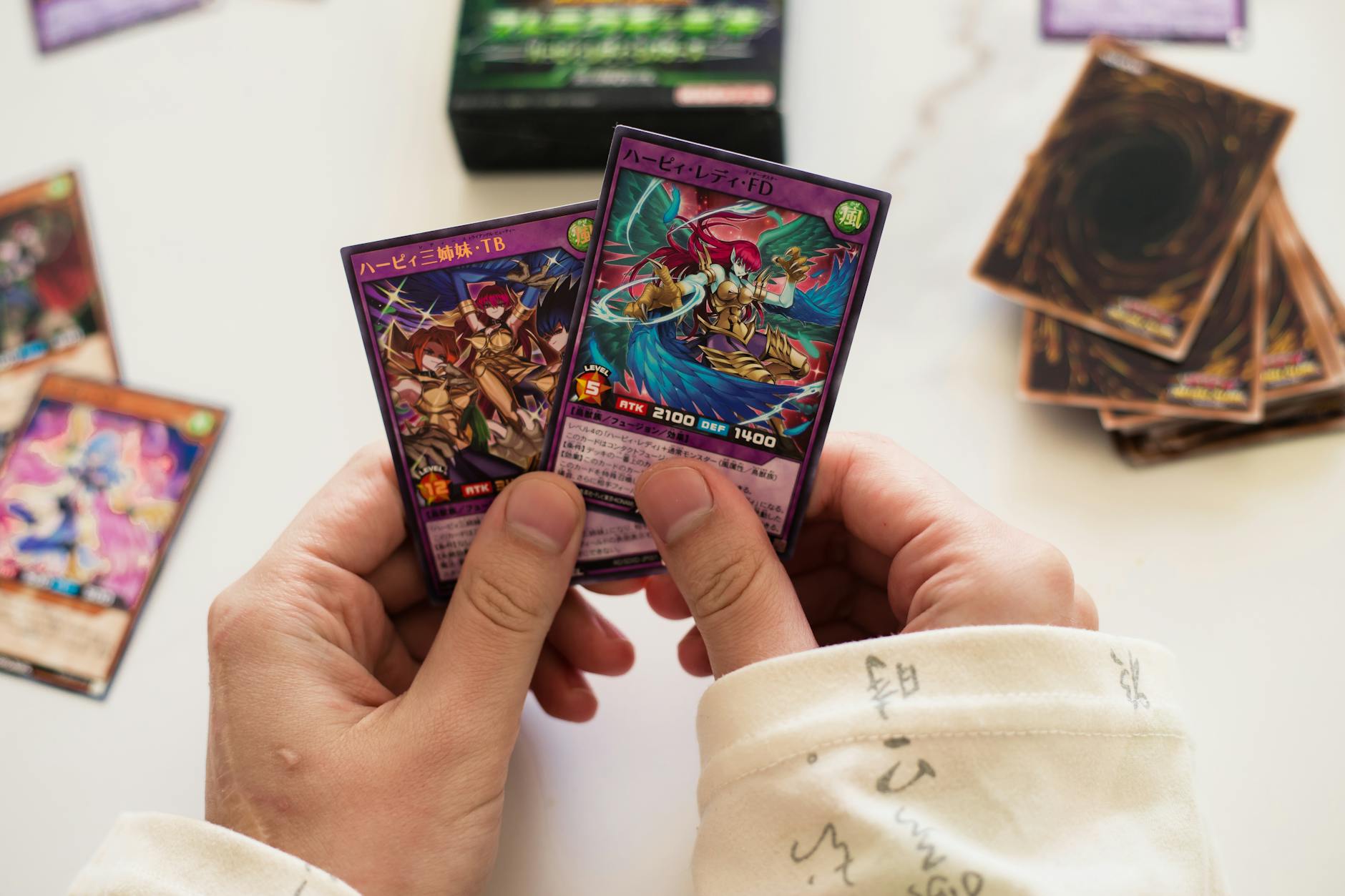
While PSA has historically dominated grading in North America, Japanese grading companies and emerging international services are beginning to influence global pricing. As Japanese booster boxes and packs increase in cost, Japanese collectors have greater incentive to invest in higher-grade cards, which creates competition for international inventory. This week’s market data reflects hourly updates from multiple pricing sources including PokeDATA and Pokemon Wizard, which aggregate sales from Japanese, North American, and European markets simultaneously.
The practical implication is that regional price disparities are narrowing. A card that costs $200 less in Japan than North America will attract international buyers who arbitrage the gap, eventually equalizing prices across regions. For collectors holding inventory, this represents both an opportunity and a risk; foreign demand can push up values, but currency fluctuations can move prices in either direction.
Market Outlook—Will This Week’s Gains Sustain?
The 0.7% weekly gain and 17.6% monthly appreciation suggest momentum, but Pokémon card markets are historically cyclical. Major tournaments, new set releases, and influencer attention all drive temporary spikes.
The fact that Dachsbun ex and Shiny Mimikyu doubled suggests competitive season activity and content creator coverage pushed prices temporarily higher; as the competitive meta shifts or new cards release, some of these gains may moderate. For collectors planning their next moves, the current environment favors well-graded classic cards (Charizard, Pikachu, Mewtwo) with sustained buyer interest, rather than chasing modern cards experiencing explosive but potentially unsustainable gains. The market’s 17.6% monthly rise shows real demand, but jumping into Mega Charizard X ex at $54,000 carries the same risk any 60x-multiplied asset does: the gains are concentrated in a narrow window, and entry timing determines whether you profit or hold the peak.
Conclusion
Pokémon cards worth more this week reflect a market split between record-breaking auction results at the top end and modern set volatility at the mid-tier. While the Trophy Pikachu and Pikachu Illustrator sales grab headlines, the real weekly gains are concentrated in cards like Dachsbun ex and Shiny Mimikyu that have doubled in recent months due to competitive play and collector hype. The broader market up 17.6% over 30 days and 0.7% this week shows sustained demand, though Japanese market increases and international price discovery are redistributing value in ways that favor liquid, well-established cards.
If you’re holding graded classic cards or considering new acquisitions, this week’s price environment reflects real market activity backed by hourly data from TCGPlayer, PokeDATA, and other tracking platforms as of May 23, 2026. However, modern cards experiencing explosive gains warrant caution; history shows that 50x-60x spikes often correct significantly once the catalyst (tournament success, set hype, influencer coverage) fades. Focus your collection on cards with demonstrated long-term demand—Charizard, Pikachu, and other iconic Pokémon continue commanding premiums regardless of market cycle, even as weekly volatility affects newer releases.
You Might Also Like
- The Pokémon Cards Suddenly Getting More Expensive This Week – 05/24/2026
- The Pokémon Cards Collectors Are Paying More for This Week – 05/24/2026
- The Pokémon Cards That Jumped the Most in Value This Week – 05/24/2026