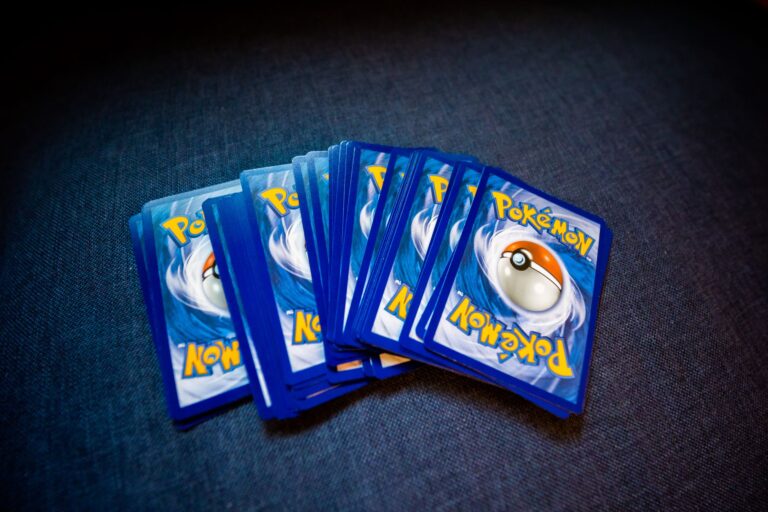
Base Set Pokémon cards are unlikely to lose significant value in the future, and historical price data supports this outlook. While the broader Pokémon trading card market has experienced substantial corrections since 2021—with modern cards depreciating 30-50% from their peaks—Base Set classics remain stable with slight increases. The contrast is stark: a 1st Edition Shadowless Charizard PSA 10 sold for $550,000 in December 2025, while PSA 10 1st Edition Blastoise sold for approximately $88,000 in July 2025, both demonstrating sustained collector demand for vintage cardboard.
The fundamental difference lies in supply dynamics. Base Set has a fixed, finite supply of cards produced decades ago. Modern sets, by contrast, suffer from market saturation: the Pokémon Company produced 9.7 billion cards in the previous fiscal year alone, creating persistent downward pressure on contemporary card values. Base Set cards are essentially weathering a different market than the overproduced sets flooding the market today.
Table of Contents
- Why Base Set Cards Resist Value Decline Differently Than Modern Cards
- Market Saturation: Why Modern Cards Crashed While Vintage Remained Stable
- Rarity Premium: How Grade and Edition Drive Base Set Values
- Long-Term Trend Analysis: Why Vintage Holos Continue Their Upward Trajectory
- Potential Risks to Base Set Card Values
- Grading, Authentication, and the Gate to Value Retention
- Future Outlook for Base Set Pokémon Cards
- Conclusion
Why Base Set Cards Resist Value Decline Differently Than Modern Cards
The pokémon TCG market entered a significant correction phase in 2025-2026, but this downturn has affected product categories unequally. Modern cards—those from recent sets released in the last few years—face the steepest depreciation because supply vastly exceeds collector demand. base set cards, however, operate under fundamentally different rules: they cannot be reprinted in standard form, and the supply is perpetually diminishing as cards are damaged, lost, or removed from circulation.
This supply scarcity creates a natural price floor that modern cards lack. When Pokémon Company releases billions of new cards annually, each individual card becomes more interchangeable and less valuable. But when only a handful of 1st Edition Base Set Blastoise cards exist in PSA 9-10 condition, rarity itself becomes the primary value driver. The 2,300+ Charizard submissions to PSA since 1999 have yielded only 121 copies graded PSA 10—a 5% acceptance rate at the highest grade that underscores how rare true gem-quality Base Set cards actually are.
Market Saturation: Why Modern Cards Crashed While Vintage Remained Stable
The Pokémon TCG market correction of 2025-2026 reveals a critical distinction between modern overproduction and vintage scarcity. Modern Pokémon cards have experienced the steepest depreciation, with many recent releases dropping 30-50% from their 2021 speculative peaks. This collapse occurred because those peak prices were built on hype and artificial scarcity narratives that eventually crumbled under the weight of actual supply data. base Set cards, by contrast, never participated in this speculative frenzy to the same degree.
Their pricing is grounded in two decades of actual transaction data, demonstrated collector demand, and genuine scarcity. While some modern cards that once sold for hundreds have plummeted to single digits, Base Set Charizards have maintained $40,000-$550,000 price ranges depending on edition and grade. The distinction matters: vintage cards moved based on fundamentals, while modern cards crashed from inflated expectations. One limitation to acknowledge: even Base Set cards can experience price pressure if grading standards shift or if major economic downturns reduce collector spending, but these scenarios affect the entire market, not Base Set specifically.
Rarity Premium: How Grade and Edition Drive Base Set Values
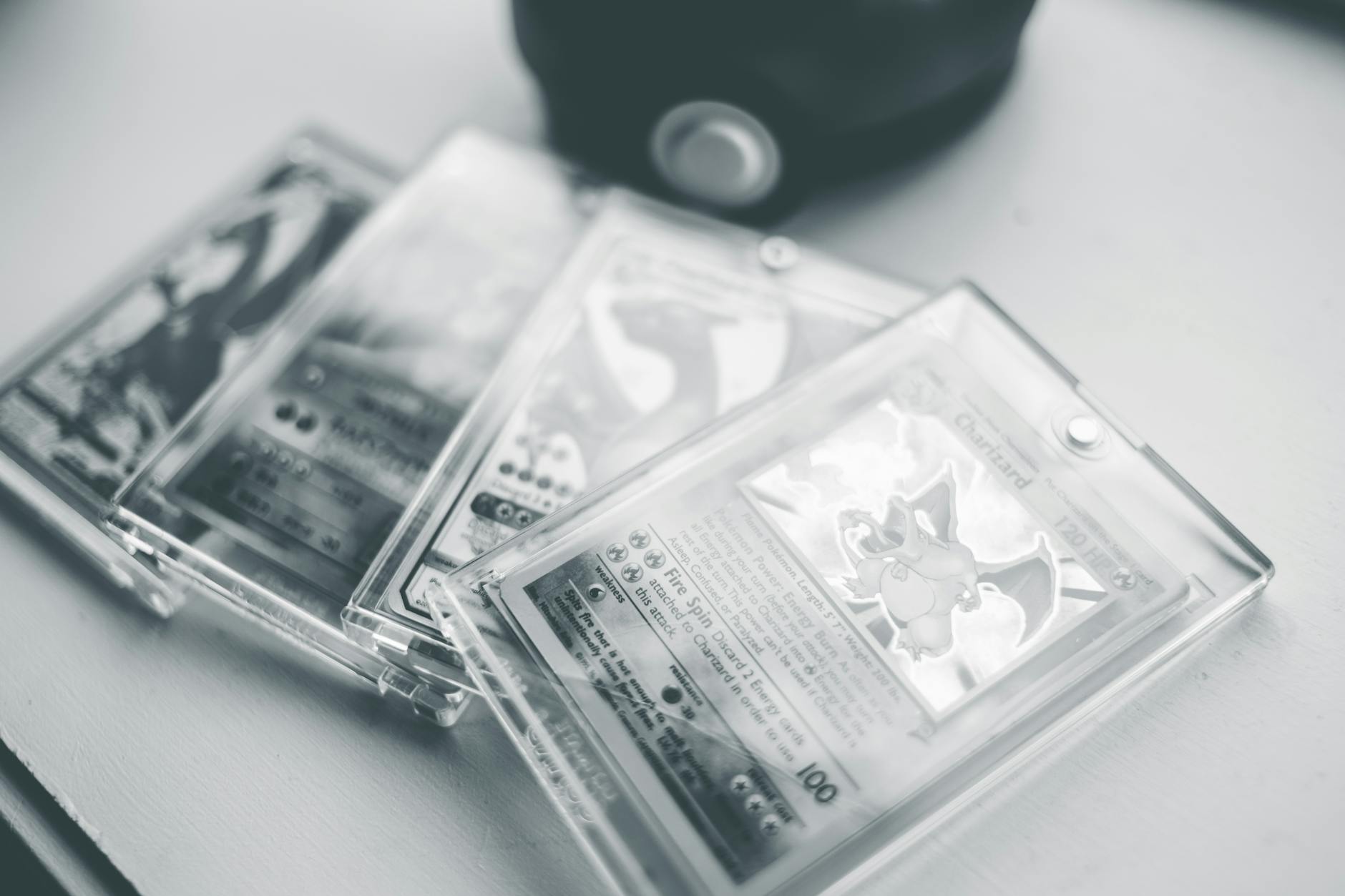
The price structure of top-tier Base Set cards reveals how scarcity translates directly into value retention. A 1st Edition Charizard creates a massive pricing gap based on grade alone: PSA 9 copies trade around $50,000, while PSA 10 copies command $550,000—more than a 10x premium for a single grade difference. This gap exists because the supply of PSA 10 Base Set Charizards is extraordinarily constrained: only 121 copies have achieved this grade out of all submissions since grading began. Similarly, 1st Edition Shadowless cards (the earliest printings) command premiums over unlimited versions because they represent the rarest subset of Base Set production.
A PSA 10 1st Edition Shadowless Blastoise sold for approximately $88,000, far exceeding unlimited or non-holo equivalents. These pricing gaps are durable because they reflect genuine supply constraints, not market sentiment. Collectors cannot manufacture more 1st Edition cards—every copy has already been produced and is either graded, raw, damaged, or lost forever. This immutability of supply creates a natural hedge against value decline, unlike modern products where future reprints or overprinting could theoretically increase supply.
Long-Term Trend Analysis: Why Vintage Holos Continue Their Upward Trajectory
Vintage Pokémon holos have sustained a multi-year upward price trend despite the broader market correction, a pattern that contradicts doom-and-gloom narratives about the TCG market. Base Set holos in particular have benefited from both increased competition for scarce cards and the maturation of the collector base—people who opened Base Set as children now have disposable income to pursue high-grade versions of their nostalgic favorites. The contrast with modern cards is instructive.
Modern holos often decline in value immediately after release as supply ramps up, while Base Set holos generally appreciate or hold steady because the pool of available cards shrinks gradually through wear, loss, and permanent collection. The Pokémon TCG market remains a $2.7 billion annual ecosystem as of March 2026, and the 30th anniversary celebration in February 2026 generated fresh momentum for the entire franchise. However, a critical comparison: while this momentum helps drive interest in Pokémon collecting generally, it does not directly increase Base Set card values through reproduction. Instead, renewed interest typically drives more collectors into the market, which increases competition for the fixed supply of vintage cards.
Potential Risks to Base Set Card Values
Despite the fundamentals favoring price stability, Base Set cards face real—if limited—risks to their future values. A major economic recession could reduce discretionary spending on collectibles, affecting all cards regardless of rarity or vintage status. Additionally, if grading standards ever shift (for example, if PSA’s certification becomes questioned or alternative graders gain dominance), the pricing structure built on grade premiums could briefly destabilize until a new standard emerges. Another risk to acknowledge: significant cultural shifts could reduce demand for Pokémon collecting specifically.
If Pokémon ceases to be culturally relevant to new generations—a scenario that seems unlikely given the 30-year franchise history, but remains theoretically possible—collector demand could decline. However, even in a reduced-demand environment, Base Set cards would likely retain more value than modern cards because their scarcity creates a natural floor. The warning here is important: do not assume any collectible is risk-free. Base Set cards are more stable than alternatives, but “more stable” is not the same as “completely safe.”.

Grading, Authentication, and the Gate to Value Retention
The role of professional grading in Base Set card values cannot be overstated. A raw Base Set card—ungraded and unencapsulated—typically sells for 30-50% less than an identical graded card because buyers demand authentication and standardized condition reporting. This grading premium creates an incentive to slab valuable cards, and it also creates a dependency: if the grading authority (typically PSA) faces reputation damage or competition, it could affect pricing expectations.
The authentication function itself is what preserves Base Set value. Counterfeiting and misrepresentation pose legitimate threats to card value. However, modern authentication technology (card stock analysis, printing technique verification, wear pattern analysis) continues to improve, making it increasingly difficult to pass off fakes as genuine at high grades. This technological arms race generally favors collectors and grading companies, not counterfeitors, which supports the long-term stability of graded Base Set values.
Future Outlook for Base Set Pokémon Cards
The trajectory for Base Set cards extends beyond current market cycles. As the original generation of Pokémon fans ages and accumulates wealth, demand for nostalgic vintage cards will likely persist or increase. The 30th anniversary momentum demonstrates that Pokémon remains culturally powerful, and vintage collectibles typically appreciate in prestige as they age.
A 1st Edition card from 1999 carries more cachet today than it did in 2015, and this appreciation trend should continue as the cards become rarer and further removed from their original print date. Forward-looking factors also include the growing professionalization of card investing—institutional interest in rare collectibles has increased measurably in recent years, and Base Set Charizards increasingly appear in portfolio discussions alongside art, wine, and vintage watches. This legitimization of card collecting as a serious asset class provides additional structural support for Base Set values, even if the speculative frenzy around modern cards continues to deflate.
Conclusion
Base Set Pokémon cards are unlikely to lose significant value in the future because their price stability is grounded in genuine scarcity, proven long-term demand, and a fixed supply that continuously shrinks. While the broader Pokémon TCG market has experienced correction in 2025-2026, Base Set cards have weathered this period with price stability or increases, contrasting sharply with modern cards experiencing 30-50% depreciation. The fundamentals support this resilience: 121 copies of PSA 10 Charizard out of 2,300+ submissions, the Pokémon TCG’s $2.7 billion annual ecosystem, and the maturation of a generation with both sentimental attachment and financial capacity to collect vintage cards.
The practical takeaway is straightforward: if you own Base Set cards in high grades, they are more likely to retain or appreciate in value than virtually any other Pokémon product category. If you are considering purchasing Base Set cards, focus on authentic, graded specimens in PSA 8-10 condition, particularly 1st Edition or Shadowless editions. Avoid expectations of rapid appreciation, but expect stable long-term value retention. The risk of significant Base Set card depreciation is real but asymmetrically low compared to the risks faced by modern, oversupplied products.