
The short answer is that this specific data does not exist in any publicly available form. No grading company, population database, or collector resource tracks how often PSA 8-graded Koraidon cards are subsequently submitted to SGC and receive a SGC 4 grade. While both PSA and SGC maintain population reports for cards they grade, they don’t publish cross-company regrade frequency statistics, making this particular metric impossible to calculate from official sources.
This question reflects a common misconception about how Pokemon card grading works. Most collectors submit their cards to a single grading company—either PSA or SGC—not both. A card gets one grade from one company, and regrading to a different company happens only occasionally, usually when a collector is dissatisfied with their original grade or seeking a second opinion. The data on how often this actually occurs remains proprietary and unpublished.
Table of Contents
- Why PSA 8 to SGC 4 Comparison Data Is Unavailable
- How PSA 8 and SGC 4 Compare in the Grading Landscape
- Where Collectors Actually Find Grading Data
- Why Collectors Regrade Cards and How Often It Actually Happens
- The Market Reality Behind PSA 8 Koraidon Cards
- Using PSA’s Population Report for Koraidon Research
- The Future of Grading Data and Collector Intelligence
- Conclusion
Why PSA 8 to SGC 4 Comparison Data Is Unavailable
The fundamental reason this data doesn’t exist is that PSA and sgc are separate, competing services. They don’t share population data with each other, and they certainly don’t publish statistics about cards moving from one service to the other. PSA maintains its own population reports showing how many Koraidon cards have been graded at each level by PSA specifically—but this doesn’t tell you how many of those PSA 8s were later regraded to SGC. Similarly, SGC’s population reports show their grading history, but not where those cards came from before SGC got them. When a collector decides to regrade a card from PSA to SGC (or vice versa), that transaction is a private purchase between the collector and the grading company.
It’s not tracked or aggregated anywhere in a way that becomes public data. A collector might submit 100 PSA 8 Koraidons to SGC, or zero—the industry simply doesn’t count these movements. The lack of this data matters because it means you cannot make any statistical claim about how “often” this happens. You might hear anecdotal stories from collectors who regraded their PSA 8s to SGC, but personal experiences aren’t the same as actual frequency data. A collector who regraded one card might be unusual, or they might be part of a larger trend that nobody is measuring.

How PSA 8 and SGC 4 Compare in the Grading Landscape
Understanding why someone might want to regrade from PSA 8 to SGC 4 requires knowing what these grades mean and how the companies compare. A PSA 8 is considered “Near Mint-Mint” and represents a card in excellent condition with only minor imperfections visible under close inspection. A SGC 4 is “Very Good-Excellent,” a noticeably lower grade that allows for more visible wear, corner rounding, and surface issues. Mathematically, PSA 8 is worth significantly more than SGC 4 on the open market. This grade discrepancy is one limitation of looking for regrade data: it would be unusual for a collector to downgrade from PSA 8 to SGC 4.
Regrading typically happens when a collector believes their card deserves a higher grade from the other company, not a lower one. A PSA 8 Koraidon might be submitted to SGC hoping for a PSA 9 or PSA 10 equivalent, not a SGC 4. If your card actually received SGC 4 after being PSA 8, that would suggest either the original PSA 8 was wrong or the card was severely damaged between submissions—both unlikely scenarios that wouldn’t happen frequently enough to track. The companies also grade somewhat differently in how strictly they assess cards, though in 2026 these differences have narrowed considerably. PSA has traditionally been viewed as slightly stricter on modern cards, while SGC has been preferred for vintage cards. This means the same Koraidon card could theoretically receive different grades from the two companies, but the gap between PSA 8 and SGC 4 is so large that it suggests a fundamental misgrade rather than a grading philosophy difference.
Where Collectors Actually Find Grading Data
If you’re researching Koraidon cards and their grades, you do have real resources available. PSA maintains a public Population (POP) report on their website where you can search for Koraidon by card set and see exactly how many cards at each grade level have been submitted to PSA. This gives you concrete numbers for PSA submissions, though it doesn’t tell you about regrading patterns. GemRate aggregates population data across PSA, SGC, BGS, and CGC in one searchable interface, making it easier to compare how many of each card exist at each grade across all four major grading companies. For market-specific information, Pokemon card price tracking sites like PokemonPriceTracker and PokeGrade track sales history and pricing for cards at different grades.
These sites show you what PSA 8 and SGC 4 Koraidons actually sell for in real transactions, which is more practically useful than regrading frequency. You’ll find that PSA 8s command significantly higher prices than SGC 4s, which tells you there’s less incentive to downgrade. Community forums and collector groups on Reddit’s r/PokemonCards or specialized Discord servers sometimes discuss individual regrade experiences, but these are anecdotal only. A collector might post “I regraded my PSA 8 to SGC and got a 6,” but this represents one person’s experience, not a statistical trend. These forums are valuable for getting qualitative insights and hearing diverse experiences, but they shouldn’t be mistaken for data.
Why Collectors Regrade Cards and How Often It Actually Happens
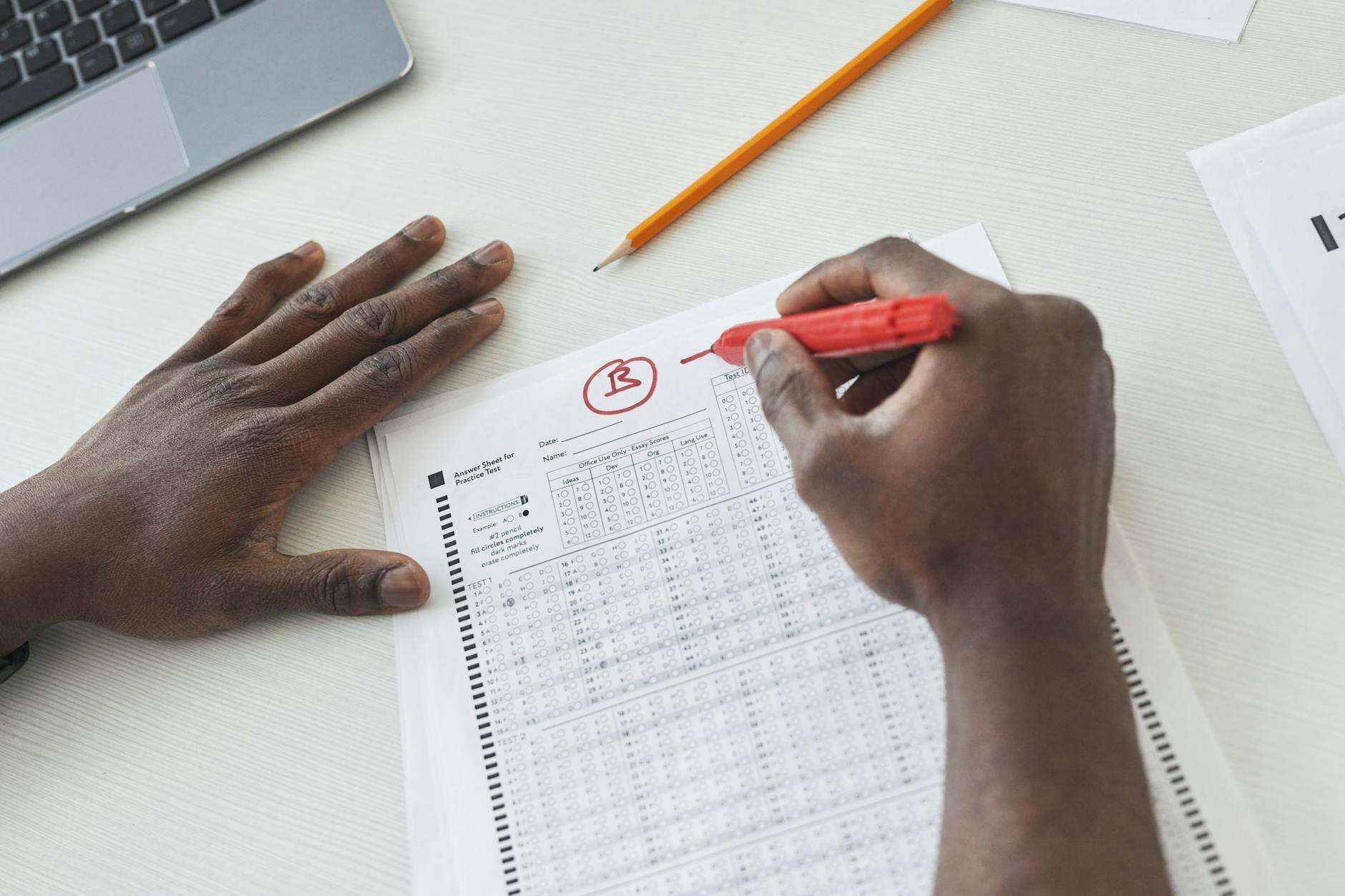
Regrading happens for specific reasons that affect frequency patterns. The most common reason is dissatisfaction with the original grade—a collector believes their card deserves higher, so they submit to a different company hoping for a better assessment. This happens more with high-value cards where a single grade bump (PSA 8 to PSA 9) can be worth hundreds or thousands of dollars. Koraidon is a relatively modern card from the Scarlet and Violet era, so it’s not yet commanding the extreme prices that would justify multiple regrade attempts. Another reason collectors regrade is to authenticate or reverify a card from an older submission. PSA’s grading consistency has evolved over time, and cards graded years ago might be reconsidered in light of current standards.
However, this is more common with vintage cards than with recent releases like Koraidon. A third reason—much less common—is that a collector wants a different company’s slab for aesthetic or collection-completion reasons, not because they think the grade is wrong. None of these scenarios would create the specific PSA 8-to-SGC 4 pattern mentioned in your question. The practical limitation here is that Koraidon cards are too recent for there to be a meaningful regrade pattern yet. The card was released in late 2022 as part of the Scarlet and Violet expansion, and collector behavior around regrading typically takes years to develop enough data to track. Most Koraidons submitted to grading companies are probably still in their original slabs, not in the pipeline for regrading. In another five or ten years, you might find enough historical transaction data to spot patterns, but that data doesn’t exist in 2026.
The Market Reality Behind PSA 8 Koraidon Cards
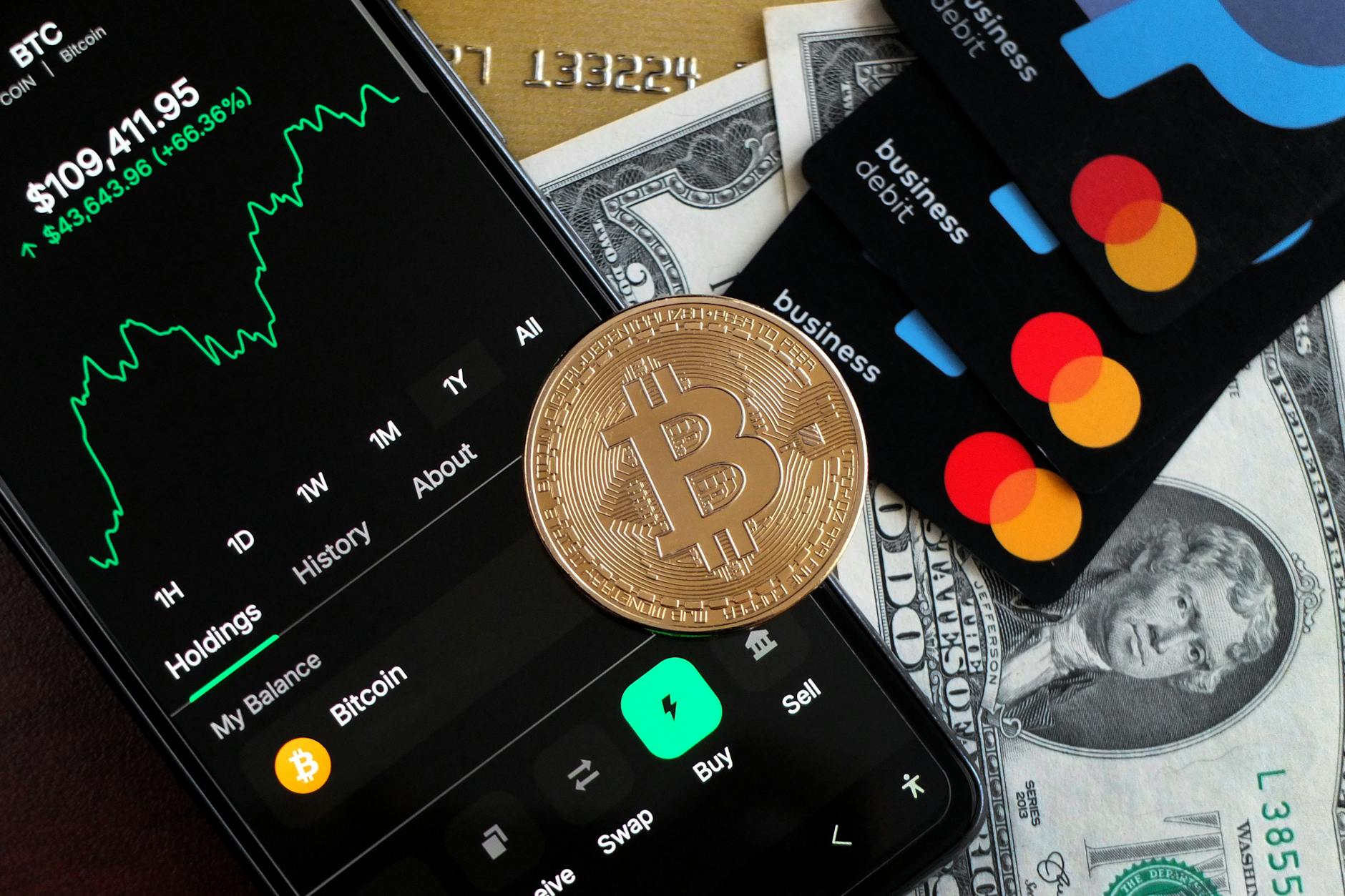
A PSA 8 Koraidon is worth significantly more than a SGC 4 of the same card, which matters for understanding regrade incentives. The price difference depends on the specific Koraidon card (base set, alternative art, special edition, etc.) and market conditions, but a PSA 8 could be worth 3x to 10x more than a SGC 4, assuming both cards are authentic. This creates a disincentive to regrade down; no collector would deliberately seek a lower grade. The warning here is that if you see PSA 8 Koraidons being regraded at all, it’s likely because the original PSA 8 grade was incorrect or the card’s condition changed after grading.
Authentication issues are rare but do happen, and damage during storage or handling can occur. Neither of these would be “frequent” enough to track as a trend. The market incentives all point toward collectors either keeping their PSA 8s or attempting regrading only if they believe PSA graded too conservatively—in which case they’d be hoping for PSA 9, PSA 10, or a higher SGC grade, not SGC 4. Current market data shows that PSA-graded Pokemon cards command premiums over SGC-graded cards of the same grade in 2026, making it even less likely that collectors would downgrade from PSA 8 to anything lower. If a collector owned a PSA 8 Koraidon worth $500+ and was unhappy, they’d more likely sell it and buy a higher-graded copy than submit for a regrade that could lower the value.
Using PSA’s Population Report for Koraidon Research
To actually research Koraidon grading data, start with PSA’s Population (POP) Report at psacard.com/pop. Search for your specific Koraidon card—you’ll need to identify which set and card number—and you’ll see a breakdown showing how many PSA 8s exist, how many PSA 9s, PSA 10s, and all other grades. This gives you concrete numbers. For example, if you search for a specific Koraidon and see there are 450 PSA 8s and 120 PSA 9s, you immediately know that PSA 8 is much more common than PSA 9, which reflects the difficulty of maintaining perfect cards.
GemRate provides similar data across companies, letting you see how many SGC 4 Koraidons exist relative to PSA 8s in the market overall. While this still doesn’t tell you regrade frequency, it gives you the population distribution, which is the closest proxy available. If there are 50 SGC 4 Koraidons but 450 PSA 8 Koraidons in circulation, that’s relevant context. You could theoretically work backward to estimate minimum regrading (if you knew how many Koraidons were submitted total), but that level of calculation requires data that isn’t public.
The Future of Grading Data and Collector Intelligence
The Pokemon card market continues to mature, and it’s possible that in the future, more granular data about grading patterns and regrading frequency will become available. Some third-party sites have experimented with tracking population movements and estimating regrade patterns from public data, but none have published definitive cross-company regrade statistics for specific cards. As the market grows and data collection becomes more sophisticated, collectors might eventually have better visibility into these trends.
For now, the most practical approach is to use the data that does exist—population reports, market pricing, and community feedback—to make informed decisions about your Koraidon cards. If you’re considering regrading a PSA 8 Koraidon, focus on whether you believe the grade is wrong or if authentication concerns exist, not on statistical frequency. The market is your best guide: check what PSA 8s and other grades are actually selling for, and make your decision based on that economic reality rather than unavailable data.
Conclusion
The direct answer to your question is that nobody publishes data on how often PSA 8 Koraidon cards receive SGC 4 grades, because regrading between companies is private and untracked. PSA and SGC operate separately, maintain their own population reports, and don’t share statistics about cards moving between their services. Even if someone did systematically regrade PSA 8 Koraidons to SGC, expecting a SGC 4 grade, that would represent a downgrade that few collectors would pursue—PSA 8s are worth significantly more in the market.
Your best resources are PSA’s Population Report for concrete numbers on PSA grading distribution, GemRate for cross-company comparisons, and PokemonPriceTracker for market pricing. If you’re considering regrading a Koraidon card, base your decision on whether you believe the grade is inaccurate or authentication concerns exist, not on frequency data that doesn’t exist. The market incentives and available pricing information are far better guides than hypothetical regrade patterns.
You Might Also Like
- How Often Do Gym Heroes Pokémon Cards Get Bumped from SGC 8 to Beckett 2?
- How Often Do CGC 3 Ninetales Cards Get HGA 1 Grades?
- How Often Do Gym Challenge Pokémon Cards Get Bumped from CGC 10 to Beckett 1?