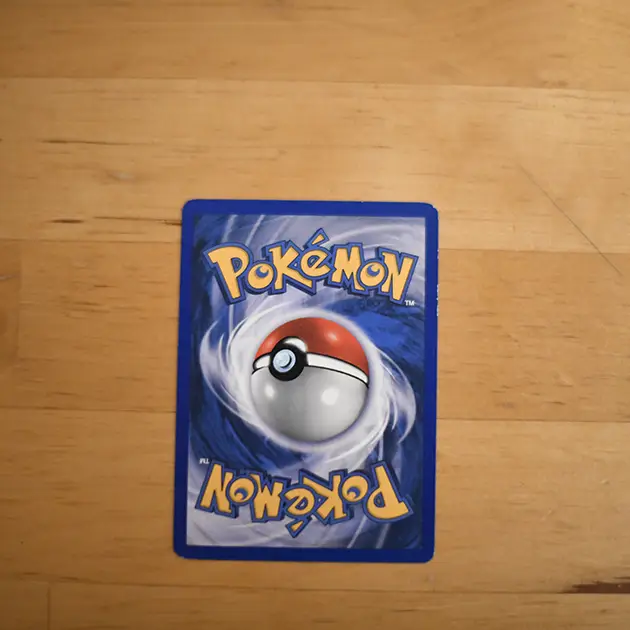
Pokémon shadowless cards are a unique and highly sought-after variant within the Pokémon Trading Card Game (TCG). These cards are primarily found in the original 1999 Base Set and are characterized by the absence of a drop shadow on the right edge of the Pokémon portrait box. This minor detail indicates that the card was part of an earlier printing run, which significantly boosts its value, especially when combined with the First Edition stamp.
To identify a shadowless card, collectors compare the right edge of the portrait window to another card from the same set. If there’s no shadow and the font appears thinner or slightly different, it’s likely a shadowless variant. The lack of a shadow is not the only distinguishing feature; these cards also have a brighter appearance and use a thinner font compared to later prints.
The most famous example of a shadowless card is the First Edition Base Set Holo Charizard. This card is perennially popular and has been a staple on the wish lists of collectors and fans for over two decades. Its value is driven by its age, limited availability, and the recognizable image of one of Pokémon’s most beloved mascots. In recent years, mint condition First Edition shadowless holographic Charizards have sold for record-breaking prices, with one PSA 10 graded card selling for $420,000 in 2022.
The rarity and historical significance of shadowless cards make them highly valuable. First Edition cards, in general, carry a premium due to their limited print run and the fact that they were part of the initial release of the Pokémon TCG. Shadowless cards, being part of the earliest prints, are even more coveted. The combination of being shadowless and First Edition is what truly sets these cards apart as highly valuable collectibles.
In addition to shadowless cards, other factors contribute to the value of Pokémon cards. These include the card’s edition, whether it is holographic (holo) or non-holographic, and its condition. Cards that are in mint condition and have been professionally graded by companies like PSA (Professional Sports Authenticator) or Beckett Grading Services (BGS) can command significantly higher prices than ungraded cards.
The market for Pokémon cards is currently booming, driven by social media platforms where collectors showcase rare pulls and pristine slabs, increasing demand. The legitimacy provided by grading companies has created a tiered market where graded cards often sell for much more than ungraded ones. This trend is expected to continue as more collectors and investors enter the market.
For those interested in buying or selling high-value Pokémon cards, understanding these factors is crucial. Platforms like eBay, TCGplayer, and Heritage Auctions are popular venues for trading these cards. However, it’s important to ensure authenticity and fair grading when purchasing or selling, especially for high-value cards like shadowless variants.
In the broader context of collectibles, the value of Pokémon cards, including shadowless ones, is influenced by their rarity, demand, and historical significance. As the Pokémon franchise continues to grow and evolve, the interest in these cards is likely to remain strong, making them a fascinating area for both collectors and investors.