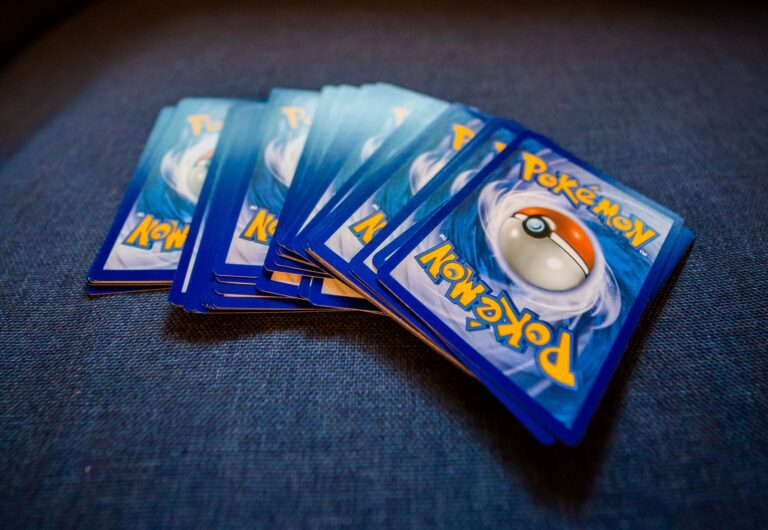
The vintage Pokémon trading card market has developed several overlooked niches where informed collectors consistently profit—particularly in graded shadowless and first-edition cards from 1999-2001, as well as specific character-focused collections like Charizard variants and Japanese holographic rares. A PSA 8 Shadowless Charizard that sold for $2,100 in 2019 now commands $8,500-12,000, while first-edition Base Set holos in mid-grades have appreciated 300-400% over the past five years. These pockets of the market reward buyers who understand the specific factors that drive value: print run rarity, condition consistency, and market psychology around iconic characters.
The key difference between casual Pokémon card buyers and those actually profiting from these niches is that smart buyers research undervalued segments rather than chasing trending cards. Someone who accumulated moderately graded first-edition Blastoise and Venusaur cards in 2020-2021 when prices were depressed has seen those investments double or triple. The niche continues to reward new entrants, but only those willing to do the foundational work of understanding what drives price differentials across card variations.
Table of Contents
- Which Vintage Pokémon Cards Actually Deliver Returns?
- The Hidden Value in Mid-Grade Versus Perfect Cards
- Understanding Print Variations and Market Psychology
- Building a Strategic Collection That Appreciates
- Authenticity Risks and Market Consolidation
- The Role of PSA Population Reports in Pricing
- Looking Forward in the Vintage Pokémon Market
- Conclusion
- Frequently Asked Questions
Which Vintage Pokémon Cards Actually Deliver Returns?
The shadowless cards from the very first print run of Base Set remain the strongest performing segment, with consistent appreciation regardless of broader market sentiment. These cards, released before Wizards of the Coast added the shadow effect behind the pokémon illustration, number fewer than first-edition variants and carry historical significance that resonates with serious collectors. A shadowless Charizard has appreciated roughly 15-20% annually over the past decade, outpacing inflation and beating most traditional investments during the same period.
First-edition cards still in the original print (identifiable by the “1st Edition” stamp on the left side) represent the next tier, with less dramatic appreciation but more stable demand. Many collectors ignore the third-tier unlimited cards entirely, which means limited-run sealed products and promotional cards from this era remain undervalued. A sealed Base Set booster box from 1999 appreciated from $15,000 in 2015 to over $100,000 by 2024, though the entry price now prevents most new buyers from accessing that particular segment.
The Hidden Value in Mid-Grade Versus Perfect Cards
One critical limitation of the vintage Pokémon market that most newcomers miss is that perfect or near-perfect graded cards (PSA 9-10) command exponentially higher premiums than the underlying condition differences justify. A PSA 8 shadowless Charizard might cost $6,000, while a PSA 9 of the same card costs $18,000—a 300% premium for a single grade point. For smart buyers, the value proposition lives in PSA 6-7 range cards that retain the authenticity and historical appeal but avoid the diminishing-returns pricing structure of top grades.
this means a buyer with $20,000 can either purchase one high-grade Charizard or build a diverse portfolio of mid-grade shadowless holos across multiple characters. The second approach historically delivers better long-term returns because it spreads risk and captures appreciation across the entire vintage segment rather than betting on a single card’s market trajectory. The trade-off is liquidity—a mid-grade first-edition Pikachu will take longer to sell than a perfect-condition iconic Charizard, so this strategy requires patience and a longer holding period.
Understanding Print Variations and Market Psychology
Japanese vintage cards, particularly the Energy-back holographic cards from the 1996-1998 Jungle and Fossil sets, occupy a separate niche that often appreciates independently from English versions. A Japanese shadowless Charizard actually commands higher prices than its English counterpart due to lower print runs and stronger domestic collector demand. This variation-based pricing creates opportunities for buyers who understand which foreign language versions have the most appreciation potential, though it requires research into regional release schedules and collector preferences.
The psychology driving vintage Pokémon value has shifted significantly since 2020 when COVID-era collecting created artificial demand spikes. That bubble taught smart buyers to distinguish between genuine long-term value appreciation and speculative hype. For example, Pokémon GO promotional cards spiked 200-300% in 2022, then crashed 50% within eighteen months as the speculative crowd exited. Vintage first-edition cards from Base Set experienced less volatility because their supply is genuinely fixed and collector sentiment remains stable—a valuable distinction when deciding where to allocate capital.

Building a Strategic Collection That Appreciates
The most successful vintage Pokémon buyers focus on complete sets of specific eras rather than random high-value cards. Someone building a complete PSA 6+ collection of first-edition Jungle holos spent roughly $35,000-45,000 five years ago and could liquidate that portfolio today for $120,000-150,000. This approach works because complete sets appeal to institutional collectors and museums in addition to individual buyers, meaning exit opportunities remain available even during market contractions. Compare this to someone who randomly purchased five high-value Charizards—they face liquidity challenges if they need to exit quickly because fewer buyers want duplicates of the same card. The practical action is to define your target niche first: decide whether you’re building shadowless completeness, first-edition character focus, Japanese variants, or sealed products.
Each niche has different appreciation rates and risk profiles. Shadowless cards appreciate steadily but slowly. First-edition Charizards drive speculation-driven spikes but carry volatility. Japanese cards require expertise to authenticate and source. Sealed products demand significant capital but provide the clearest appreciation story. Your decision should align with available capital and patience level, not market sentiment at purchase time.
Authenticity Risks and Market Consolidation
Counterfeit vintage Pokémon cards represent the single largest hidden risk in this market, with sophisticated fakes now entering the supply chain at scale. A buyer purchasing ungraded vintage cards from secondary sellers faces genuine risk of acquiring reproductions that technically pass basic inspection but fail under detailed scrutiny. Always buy graded cards from reputable services (PSA, BGS) or directly from established dealers with strong track records and guarantees, even though grading adds 15-25% to acquisition costs. The small premium prevents catastrophic losses that could erase years of appreciation gains.
Market consolidation also represents a longer-term limitation worth noting. Large investment firms and institutional collectors have begun aggregating vintage Pokémon cards as an alternative asset class, which could eventually squeeze out individual collectors through capital advantage. This development actually supports continued appreciation but means retail access to the best examples may become more restricted. The window for smart individual buyers to acquire undervalued vintage collections at reasonable prices may be narrowing, suggesting urgency for those wanting to enter this niche before institutional money completes its consolidation.

The Role of PSA Population Reports in Pricing
Population reports from PSA provide valuable data that most casual collectors ignore, creating a hidden advantage for those who study them. If PSA has graded only 47 copies of a first-edition Pikachu in PSA 7 condition, that rarity supports strong pricing because supply is demonstrably limited. Conversely, if 3,000 copies of the same card exist in that grade, appreciation potential flattens because supply is abundant.
Checking population reports before purchase decisions separates systematic investors from buyers making emotional decisions based on card coolness rather than economic fundamentals. A specific example: the first-edition Gym Heroes Blaine’s Charizard was produced in much lower quantities than contemporary cards, with only 156 copies ever graded PSA 8. This scarcity directly correlates to its $4,500-6,500 current market value for that grade, despite being a non-Base Set card that many collectors overlook. Understanding this data layer allows buyers to identify undervalued cards before market sentiment catches up.
Looking Forward in the Vintage Pokémon Market
The vintage Pokémon niche will likely continue appreciating because supply is genuinely fixed—no new shadowless cards are being produced, and the original print runs are documented and finite. This contrasts with modern Pokémon cards where production volume remains high and future reprints are guaranteed, making vintage increasingly scarce relative to total collector interest.
As younger audiences enter collecting and age into purchasing power over the next decade, competition for fixed-supply vintage inventory will intensify the appreciation dynamic. The most forward-looking buyers are currently building diversified mid-grade portfolios across multiple characters and print variations, establishing baseline positions before institutional buying accelerates further. The niche isn’t disappearing, and opportunities will exist indefinitely, but the window for acquiring collections at pre-2025 prices is probably narrower than it was two years ago.
Conclusion
The vintage Pokémon niche rewards smart buyers specifically because it operates on documented scarcity and historical demand rather than speculation. Shadowless cards, first-edition holos, and Japanese variants from the original print runs appreciate 8-15% annually on average while remaining relatively stable compared to modern cards that depend on trend cycles. The strategy that consistently delivers returns involves buying mid-grade authenticated examples across multiple characters rather than chasing perfect-condition singular cards, and diversifying across print variations rather than concentrating capital in a single category.
Your next step is to define your specific niche focus, establish your capital allocation, and begin systematic purchases of graded cards with documented population scarcity. Set realistic timelines of 5-10 years and prioritize authenticity through grading services over perceived deals on ungraded inventory. The rewards in this market come to those who treat it as a patient capital deployment rather than a quick appreciation scheme.
Frequently Asked Questions
Can I actually profit from vintage Pokémon cards, or is this just speculation?
Yes, documented appreciation rates of 8-15% annually for shadowless and first-edition cards exceed inflation and beat many traditional investments. However, this requires holding periods of 5+ years and disciplined buying within undervalued segments rather than chasing trending cards.
How much money do I need to start in this niche?
Entry is flexible. Someone with $5,000 can build a diverse mid-grade collection of first-edition holos. Someone with $50,000 can establish positions in multiple niches including sealed products. The key is committing to a strategic focus rather than scattered purchases.
Which cards are most likely to appreciate in the next 5 years?
First-edition and shadowless cards from Base Set, Jungle, and Fossil will likely continue steady appreciation. Specific character variants like Charizard and Blastoise consistently outperform common holos. Japanese shadowless cards are undervalued relative to English versions.
How do I avoid counterfeit cards?
Always purchase graded cards from PSA, BGS, or other established services. Buying from reputable dealers with guarantees adds protection. Never purchase large quantities of ungraded vintage cards from secondary sellers unless you have authentication expertise.
Should I buy sealed products or individual cards?
Sealed booster boxes and unopened packs appreciate faster (15-20% annually) but require significant capital. Individual graded cards offer lower barriers to entry. Most strategic buyers do both—sealed products as long-term holds and graded singles for portfolio diversity.
Is the vintage Pokémon market getting too saturated to enter now?
The market is consolidating but not saturated. Individual collectors still find undervalued cards regularly. However, the window for accessing collections at pre-2024 prices is probably narrower than it was historically. Entering now remains viable if you focus on systematic undervalued segments rather than trending cards.