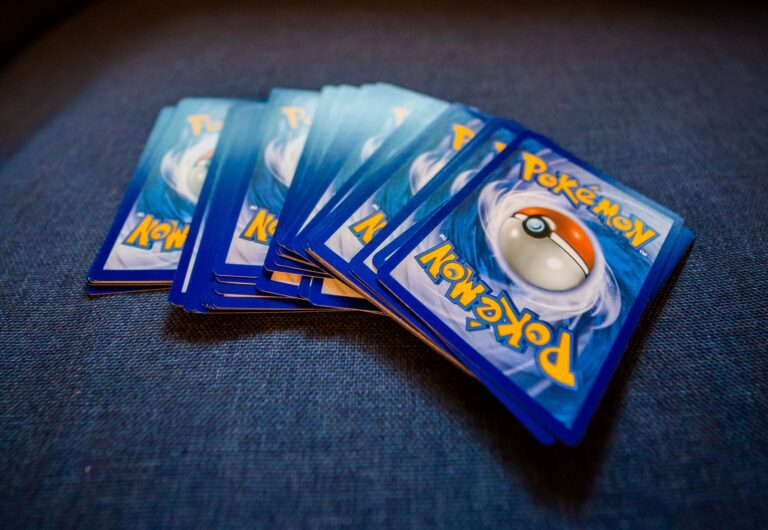
Japanese exclusive promotional cards represent the clearest answer to low-competition vintage Pokémon categories in today’s market. These region-specific cards—issued through Japanese events, tournaments, and retail promotions—have sustained upward price momentum over the past two years while remaining far less competitive than mainstream categories like first edition Base Set holos. The scarcity is genuine; some regional event cards have population figures of just a few thousand copies worldwide, which creates a natural ceiling on how many collectors can even source them to compete. Beyond Japanese promotionals, the broader WOTC (Wizards of the Coast) vintage category deserves attention for its structural advantages.
WOTC-era cards are experiencing 30-50% price appreciation as the market approaches the 30th anniversary milestone in 2026, yet they attract less collector attention than modern reprints or hyped newer sets. High-grade Base Set cards specifically project to appreciate 15-25% annually through 2026, a return profile that rivals alternative investments with substantially lower competition for individual finds. The reason these categories remain underexposed is straightforward: they require regional knowledge, longer supply chains, or acceptance of print-run constraints that deter casual collectors. This creates opportunity for serious hobbyists willing to learn the market segments most other buyers overlook.
Table of Contents
- Why Are Japanese Exclusive Cards Still Flying Under the Radar?
- The WOTC Vintage Advantage: What Collectors Miss About Out-of-Print Supply
- Shining Pokémon Cards and Extreme Scarcity Examples
- Positioning Yourself Before Competition Tightens
- Grading Challenges and Hidden Risks in Vintage Categories
- Market Momentum and the 30th Anniversary Catalyst
- Broader Market Growth and the Long Runway Ahead
- Conclusion
Why Are Japanese Exclusive Cards Still Flying Under the Radar?
Japanese promotional cards occupy a blind spot in the Western collector ecosystem. Most English-language price tracking, auction data, and community discussions center on domestic releases and first editions. Japanese regional promos—issued for events like store tournaments, trading card game championships, or Japan-specific retailer promotions—rarely appear on mainstream auction sites with the frequency of English base set cards. This geographic and linguistic friction means fewer Western collectors even attempt to source them consistently.
The scarcity component is material, not theoretical. A Japanese exclusive promotional card with a population count in the low thousands worldwide creates a de facto supply limit. When PSA has graded only 3,000-5,000 copies of a particular Japanese event card across all grades, the number of PSA 8 or PSA 9 copies available in any given quarter can be single digits. Compare this to a Base Set holographic where tens of thousands of graded copies exist, and the competition intensity becomes stark. This extreme scarcity, combined with sustained upward trajectory over the past two years, suggests these cards are experiencing genuine demand rather than speculative hype.
The WOTC Vintage Advantage: What Collectors Miss About Out-of-Print Supply
Wizards of the Coast sets from the era between 1999 and 2008—including original Base Set through the DP (Diamond & Pearl) sets—have not received new production in years. The e-Series, EX era, and other WOTC-adjacent releases remain completely out of print with no announcement of reissues. this structural supply constraint means the pool of gradeable cards keeps shrinking as copies are locked away in personal collections or damaged over time. The price data reflects this scarcity: WOTC vintage cards are posting 30-50% price increases heading into 2026. High-grade Base Set cards project 15-25% annual appreciation through this year alone. Yet the competitive pressure from other collectors hunting these cards remains lighter than it should be, given the returns.
Many mainstream collectors focus on modern chase cards or recent reprints where grading services provide instant price discovery through massive sale databases. WOTC vintage requires more legwork: condition assessment, population research, and comfort with older-era printing quality variability. A critical limitation here is grading cost relative to card value. A WOTC-era card worth $200-400 will cost $50-75 to grade and encapsulate. If the card downgrades one tier during the grading process, your return evaporates. New collectors often underprice raw WOTC vintage or overpay for already-graded copies to sidestep this risk, which actually protects the category from the most aggressive competition.
Shining Pokémon Cards and Extreme Scarcity Examples
Shining pokémon cards from the Japanese special set represent perhaps the clearest extreme-scarcity play within vintage categories. A complete set of all nine Shining Pokémon in PSA 9 condition carries a market valuation of $15,000-$25,000—and these cards are considered undervalued relative to their actual scarcity. The Shining set consists of just nine cards total, each with a fixed population ceiling. No new copies will ever be printed. Individual examples within this category show even more extreme conditions. A Shining Umbreon, for instance, has only 32 PSA 10 copies in existence.
Yet most Umbreon cards at comparable rarity levels and condition fetch several times the asking price you’ll see for Shining Umbreon in the secondary market. This pricing anomaly suggests the category has not yet benefited from centralized collector attention. When demand eventually finds these cards, scarcity will force rapid repricing. The downside is liquidity. Owning a card with 32 PSA 10 copies worldwide means buyer pools are exceptionally small. A seller might need to wait weeks or months for the right buyer. This illiquidity is precisely why they remain undervalued—collectors and investors price-discount illiquid assets.
Positioning Yourself Before Competition Tightens
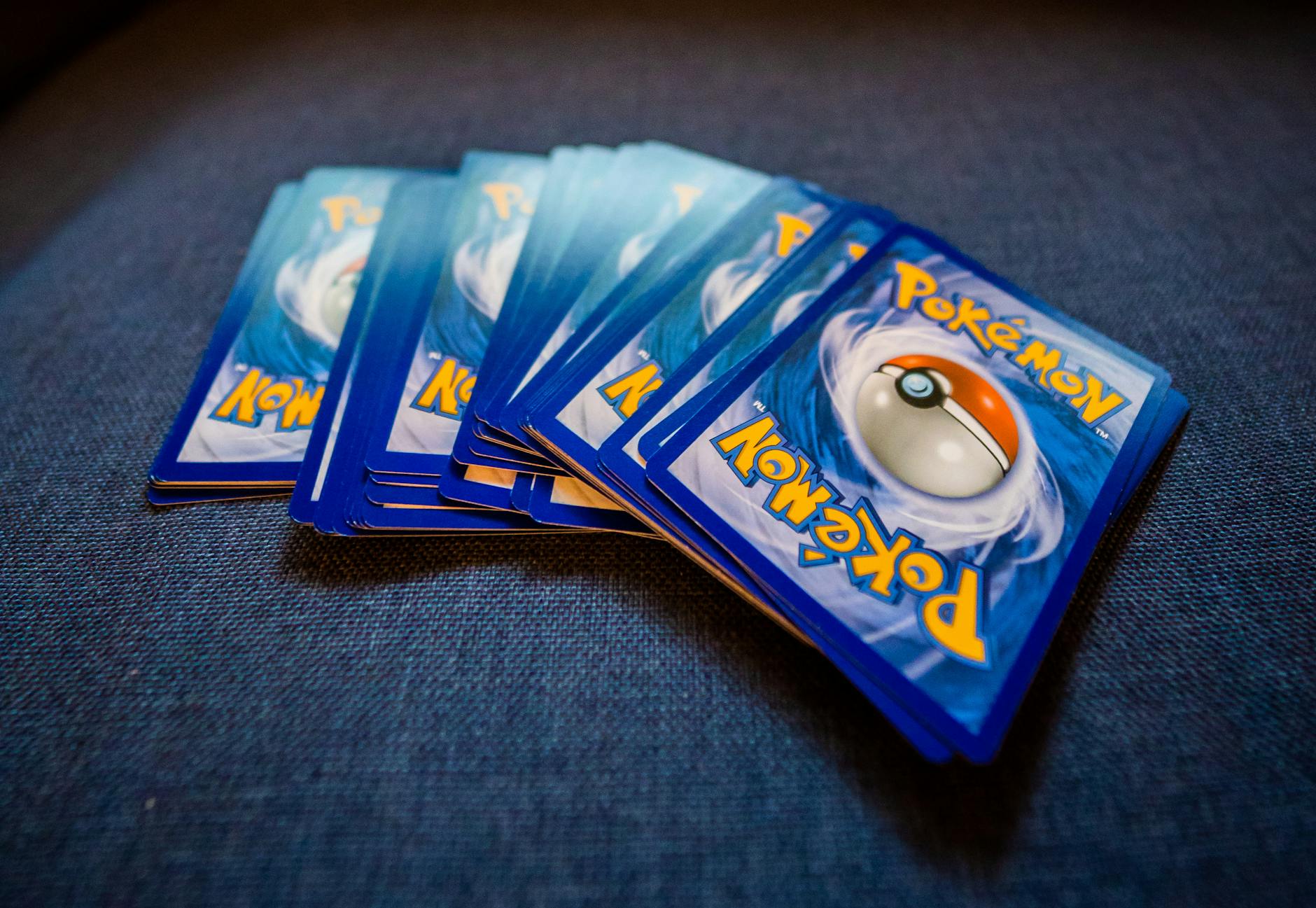
The accessory and storage market provides an indirect signal about collector base expansion. Storage sales increased 159% between September 2025 and February 2026, jumping from an index of 278.0 to 720.58. This sharp increase in storage equipment purchases indicates new collectors entering the hobby at scale. Those incoming collectors will follow standard entry patterns: popular modern sets, Base Set first editions, and well-documented chase cards. They will not immediately seek Japanese promotional exclusives or obscure WOTC-era holos. This timing advantage is real but temporary.
Once discovery of these undervalued categories accelerates through YouTube content, podcasts, or market publications, competitive pressure will rise sharply. Collectors who position themselves now can source inventory at current pricing before newcomers begin saturating demand. The comparison point is straightforward: early Base Set high-grade hunters who built collections at $200-400 per holo five years ago versus today’s asking prices in the $1,200-2,000 range. The tradeoff is that sourcing requires knowledge work. You need to understand Japanese card variations, learn how regional promos were distributed, assess condition accurately on cards you may have never handled, and navigate international auction sites and private sales groups. This friction is precisely what keeps competition low.
Grading Challenges and Hidden Risks in Vintage Categories
Vintage Pokémon cards present specific grading challenges that deter casual entrants. WOTC-era cards have different centering standards, print quality issues, and cardstock composition than modern cards. A 1995 Base Set holographic with slightly off-center printing might receive a PSA 8 despite having otherwise excellent eye appeal—yet a modern equivalent would potentially grade higher because print centering has improved. New collectors unfamiliar with era-specific standards often misestimate what grade to expect, leading to disappointment and losses. Counterfeiting risk is measurably higher in the WOTC and Japanese exclusive space. Modern counterfeits are increasingly sophisticated, and third-party authentication remains imperfect.
A seemingly innocuous Japanese promo card purchased from an unknown seller carries higher risk than a directly sourced modern card. Buyers must develop expertise in subtle authentication markers—paper texture, ink behavior, holographic patterns—or accept the cost of professional authentication before purchase. This authentication friction does filter out unprepared buyers but is also a legitimate risk that keeps some collectors away. Condition variance is extreme in vintage lots. A PSA 9 Base Set card and a PSA 8 might appear nearly identical to untrained eyes but carry a 30-50% price differential. The stakes of condition assessment are therefore substantial. Bidding on raw vintage lots requires either deep expertise or willingness to accept outcome variance that newer collectors often find frustrating.
Market Momentum and the 30th Anniversary Catalyst
The Pokémon Company’s 30th anniversary in 2026 is functioning as a near-term catalyst for vintage market attention. WOTC-era cards are specifically benefiting from this milestone moment; collectors and media outlets are directing increased focus toward original Base Set and other foundational sets. Price appreciation of 30-50% for WOTC vintage suggests the market is already pricing in some degree of anniversary enthusiasm.
However, this catalyst is both opportunity and timing risk. Prices may accelerate further as the anniversary year progresses, but they could also correct if anniversary hype fails to translate into sustained new collector entry. Smart positioning means sourcing inventory before the bulk of anniversary-driven demand arrives, not after anniversary media coverage peaks.
Broader Market Growth and the Long Runway Ahead
The Pokémon card market is projected to expand from USD 52.1 billion in 2026 to USD 90.2 billion by 2034—a compound annual growth rate of 7.1% over eight years. This broad expansion creates structural tailwinds for vintage categories. A larger overall market means more collectors chasing finite WOTC supply and Japanese exclusive cards. The low-competition advantage today becomes the baseline tomorrow; vintage categories simply benefit from growing total demand.
The opportunity window is measured in months and quarters, not years. As the market matures and content creators continue mining vintage categories for storytelling, discovery will accelerate. Japanese exclusives and WOTC holos will move from collector edge-cases to mainstream acquisition targets. Collectors who build positions now will benefit from the compound effect of price appreciation plus reduced competition overhead.
Conclusion
Japanese exclusive promotional cards and WOTC vintage holos represent the clearest low-competition opportunities in the vintage Pokémon market. These categories combine genuine scarcity, structural supply constraints, and sustained price appreciation with minimal competitive saturation from mainstream collectors. The Shining Pokémon example—valued at $15,000-$25,000 for a complete set despite being undervalued relative to rarity—illustrates the pricing gaps still present in underdiscovered segments.
The practical advantage is finite. Incoming collectors indicated by 159% growth in storage accessory purchases will inevitably follow well-documented price guides into these categories. Current positioning provides a window to source inventory before that discovery accelerates. For collectors willing to invest in market knowledge and accept the friction of international sourcing or condition assessment expertise, these low-competition categories offer both the highest risk and highest potential return in vintage Pokémon today.