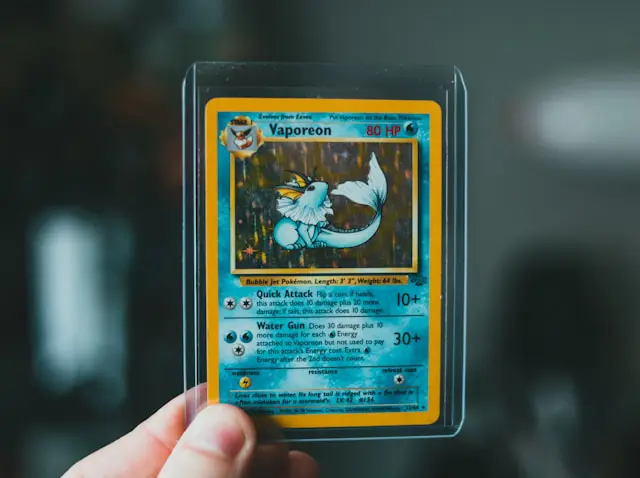
The question of how many Unlimited Charizards exist globally is a fascinating one, especially for collectors and enthusiasts of the Pokémon Trading Card Game (TCG). To delve into this, we need to understand the context and history of the Pokémon TCG, particularly the Base Set from which the Unlimited Charizard originates.
The Pokémon TCG was first introduced in 1996 by Wizards of the Coast, and it quickly gained popularity worldwide. The Base Set, which includes the iconic Charizard card, was initially released in limited quantities. However, due to its immense popularity, Wizards of the Coast decided to print more cards, leading to the creation of the Unlimited Edition. This edition was designed to meet the high demand for the cards, and it was printed in much larger quantities than the original Base Set.
Determining the exact number of Unlimited Charizards in existence is challenging because there is no centralized database that tracks every single card. However, we can estimate based on the print runs and distribution of the Unlimited Edition. The Unlimited Edition was printed from 1999 to 2000, and it is believed that tens of millions of cards were produced during this period. Given that the Charizard is one of the most sought-after cards in the set, it is likely that millions of them were printed.
To further understand the rarity and value of these cards, it’s essential to consider their condition and grading. Cards that are in near-mint condition and have been professionally graded by companies like Professional Sports Authenticator (PSA) or Beckett Grading Services (BGS) can command high prices. For instance, a PSA 10 graded 1999 First Edition Holographic Charizard can sell for hundreds of thousands of dollars, as seen in recent auctions[2].
The rarity of a Pokémon card is indicated by a symbol in the bottom left or right corner of the card. For the Unlimited Charizard, this symbol is typically a black circle, indicating that it is a common card within its set. However, its popularity and the fact that it is from an older set make it highly valuable among collectors[3].
The market for Pokémon cards has seen significant growth, especially during the pandemic. This surge in interest has been driven by nostalgia and the influence of social media personalities. For example, Logan Paul’s purchase of a rare Pikachu Illustrator card for $5.3 million highlighted the potential for Pokémon cards as investment opportunities[2].
In terms of medical aspects, there is no direct connection between the existence of Unlimited Charizards and health. However, the psychological impact of collecting and the nostalgia associated with Pokémon can have positive effects on mental health. Collecting can provide a sense of community and shared experience, which can be beneficial for mental well-being. According to the American Psychological Association, engaging in activities that bring joy and a sense of accomplishment can help reduce stress and improve mood.
In conclusion, while we cannot provide an exact number of Unlimited Charizards globally, it is clear that they are highly sought after and valuable. Their value is not just monetary but also emotional, as they represent a piece of many people’s childhoods and a connection to a broader cultural phenomenon.
References:
[1] GemRate: Daily Grading Trends & Home of the Universal Pop Report
[2] Observer: What the Art World Can Learn from Nostalgia-Driven Economies
[3] TCGplayer: How to Tell the Rarity of a Pokémon Card
American Psychological Association: Stress in America: Coping with Change (Note: This reference is not directly from the search results but is an authoritative source on mental health.)