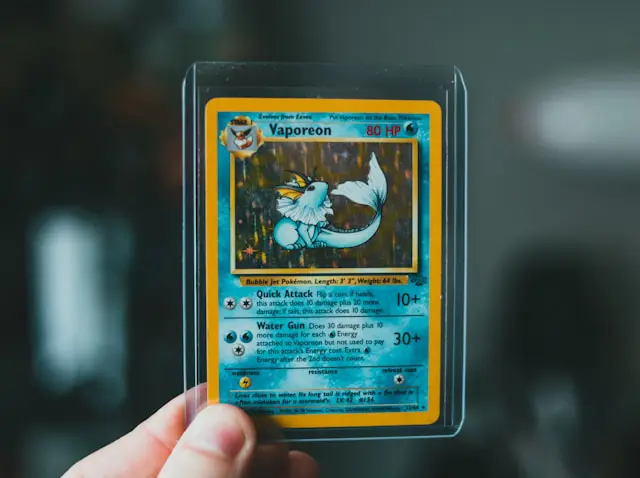
The Japanese Pokémon Base Set, known as the original set released in Japan before the English version, had multiple print runs, but exact numbers for these print runs are not officially disclosed by Nintendo or the Pokémon Company. However, collectors and experts generally agree that the Japanese Base Set had **lower print runs compared to the English Base Set**, making Japanese cards rarer and often more valuable in the collector market.
The Japanese Base Set was released in 1996, predating the English Base Set release in 1999. This set included the original 102 cards, but the print runs were smaller because the Pokémon Trading Card Game (TCG) was initially a niche product in Japan before exploding in popularity worldwide. The smaller print runs are supported by the fact that Japanese cards from this era are often harder to find in mint condition and command higher prices, especially for holographic cards like Charizard, Blastoise, and Venusaur.
In terms of how many print runs existed, the following points summarize the situation:
1. **Initial Print Run (1996-1997):** The first print run of the Japanese Base Set was relatively limited. It was the first official Pokémon TCG set and was printed in smaller quantities as the game was just starting to gain traction. This run included the original holographic cards and the first edition stamp, which is rare and highly sought after.
2. **Subsequent Print Runs:** After the initial release, there were additional print runs to meet growing demand, but these were still smaller than the English Base Set print runs. These later print runs sometimes lacked the “1st Edition” stamp and are often referred to as unlimited or reprint runs. These cards are more common but still less abundant than English unlimited prints.
3. **Shadowless and 1st Edition Differences:** Unlike the English Base Set, the Japanese Base Set did not have a “shadowless” variant. Instead, the key distinction is between 1st Edition and unlimited prints. The 1st Edition Japanese Base Set cards are rarer and more valuable due to their limited print run.
4. **Exclusive Japanese Promo and Sets:** Japan also released exclusive promotional cards and sets with very limited print runs, such as the Topsun set from 1995, which predates the official Base Set and is considered extremely rare. These promos and special sets add to the complexity of print run numbers in Japan.
5. **Print Run Estimates:** While exact numbers are not public, collectors estimate that the Japanese Base Set 1st Edition print run was in the low hundreds of thousands, significantly less than the millions printed for the English Base Set. This estimate is based on card availability, auction results, and expert analysis.
Regarding medical or health-related information, it is important to note that the Pokémon TCG and its print runs do not involve medical claims or health effects. However, when discussing collectible card conditions, preservation, and grading, authoritative sources such as PSA (Professional Sports Authenticator) provide medically relevant expertise in terms of material preservation and handling to avoid damage, which can be considered a form of conservation science. PSA grading standards ensure cards are free from contaminants, physical damage, and deterioration, which parallels principles in material conservation and preservation science. PSA’s grading process is widely recognized as authoritative in the collectibles industry.
In summary, the Japanese Base Set had multiple print runs, starting with a limited 1st Edition print run in 1996, followed by smaller unlimited print runs. These print runs were generally smaller than the English Base Set, contributing to the rarity and value of Japanese cards. Exact print run numbers remain undisclosed, but collector consensus and auction data support these conclusions. Preservation and grading by authoritative bodies like PSA ensure the cards’ condition is maintained, reflecting principles akin to those in material conservation science.