
Pokemon cards have delivered measurably superior returns compared to rare coin funds, with a documented 3,800% appreciation since 2004 versus the S&P 500’s 483% return over the same period. This isn’t speculation—Pokemon cards are appreciating at an average annual rate of 46%, compared to the stock market’s historical 12% average, making them one of the most compelling alternative investments of the past two decades. The numbers speak clearly: while rare coin funds have generated modest 8% to 20% annual returns, Pokemon cards have consistently outpaced every traditional asset class.
Consider the evidence from recent auctions. Logan Paul’s PSA 10 Pikachu Illustrator card sold for $16.49 million in February 2026, becoming the most expensive trading card ever sold. A Shadowless PSA 10 Base Set Charizard sold for $954,800 at Goldin Auctions in the same month. These aren’t isolated cases—they’re part of a systematic trend showing that rare Pokemon cards hold and appreciate value far beyond what rare coins have historically demonstrated.
Table of Contents
- How Pokemon Cards Outperformed Rare Coin Investments
- Record-Breaking Recent Sales and Market Momentum
- Market Growth and Spending Trends Driving Card Appreciation
- The Risk Profile—Why Pokemon Cards Are Riskier Than They Appear
- Liquidity and the Hidden Transaction Costs of Pokemon Cards
- The Pokemon Company’s Investment in Long-Term Franchise Stability
- Forward-Looking Outlook for Pokemon Cards as Investments
- Conclusion
How Pokemon Cards Outperformed Rare Coin Investments
The performance gap between pokemon cards and rare coin funds is substantial and well-documented. Rare coins have shown approximately 20% annual appreciation and a projected 8% compound annual growth rate through 2035, with the global market expanding from $38.41 million in 2025 to an estimated $83.57 million by 2035. High-grade MS-65 Morgan Dollars trading 15% higher year-over-year is considered strong performance in the coin market.
Yet Pokemon cards are operating in an entirely different league. In 2025 alone, Pokemon cards showed projected appreciation of 30-50% heading into the franchise’s 30th anniversary in February 2026. The average annual return of 46% means an investment doubling roughly every 1.5 years, compared to rare coins’ approximate seven-year doubling cycle at 8% CAGR. For investors trying to grow capital, the velocity of gains in Pokemon cards creates fundamentally different wealth-building trajectories than traditional rare coin collecting.
Record-Breaking Recent Sales and Market Momentum
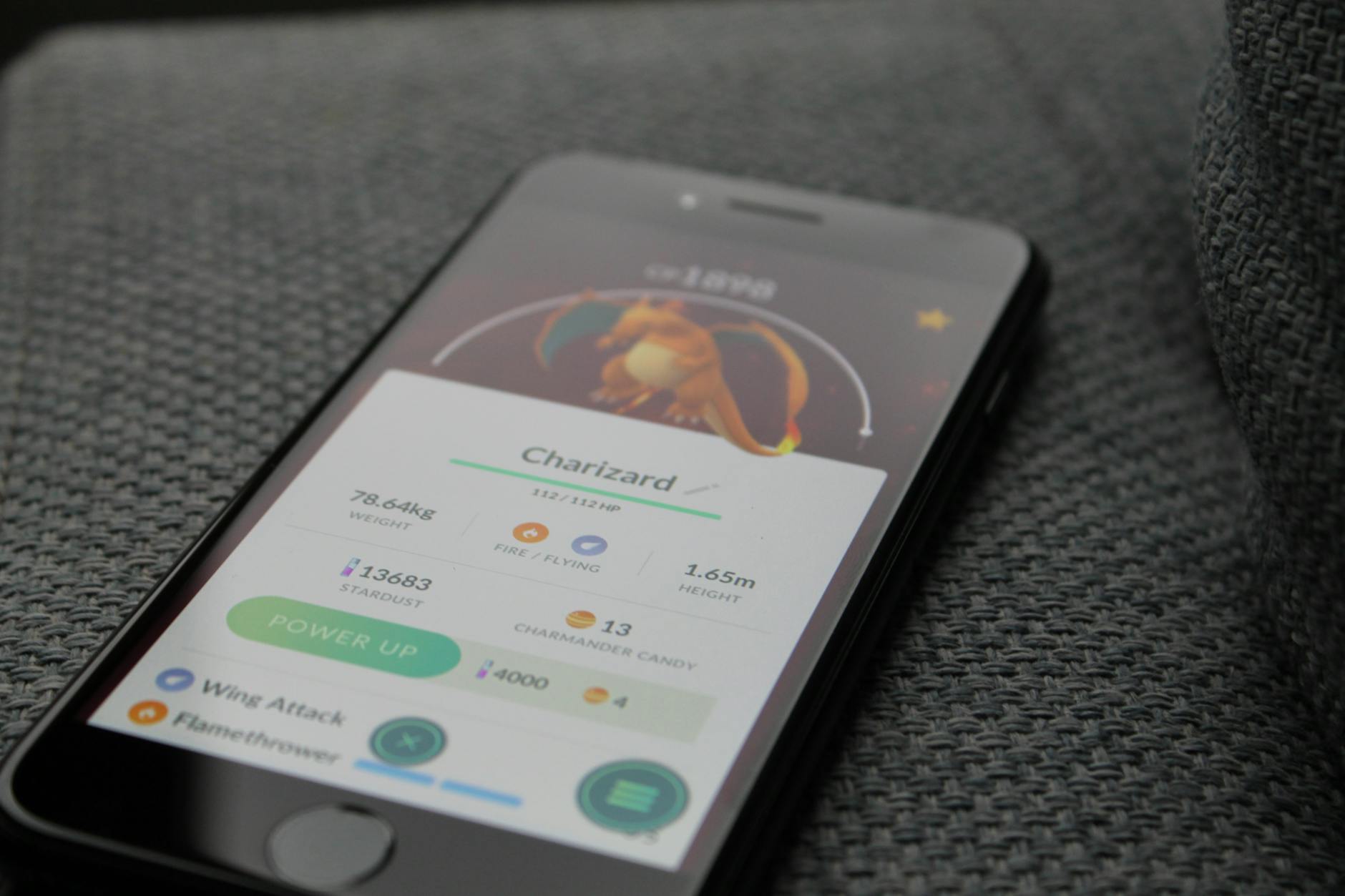
The Pokemon card market has entered a new phase with multiple record-breaking sales in early 2026. Beyond Logan Paul’s $16.49 million Pikachu Illustrator purchase, the $954,800 Shadowless Charizard and the $550,000 Heritage Auctions record for a Vintage Base Set Charizard in December 2025 demonstrate sustained demand at auction. These sales aren’t artificial—they reflect genuine market pricing through competitive bidding, not speculative hype. However, the warning here is important: extreme auction results can create the illusion that all vintage cards appreciate similarly.
They don’t. While vintage Base Set cards in high grades have performed exceptionally, mid-grade cards and many modern releases are far more volatile. The Pikachu Illustrator is the rarest Pokemon card in existence, printed in 1997-1998 in limited quantities for a Japanese tournament. Comparing generic cards to this anomaly is misleading. Investors need to focus on scarcity, condition, and print year when evaluating potential returns, not assume every card will become a million-dollar asset.
Market Growth and Spending Trends Driving Card Appreciation
Pokemon cards benefited from a 350% spending increase in non-sports trading cards between 2020 and 2025, a surge that expanded the collector base dramatically. The Pokemon Company generated $2.9 billion in revenue for FY2024-25, up 38% in a single year, indicating sustained institutional investment in maintaining brand momentum and new product releases. This corporate backing differs significantly from the rare coin market, where manufacturers have less control over demand cycles. Professional grading infrastructure has also accelerated market maturity.
PSA graded nearly 20 million items in 2025, with over 11 million being trading cards. This standardization has legitimized Pokemon cards as an investment asset class, attracting institutional collectors and investment funds previously absent from the space. Rare coins have a longer history of professional grading through organizations like PCGS and NGC, but Pokemon cards are closing that gap rapidly. The infrastructure now exists to authenticate, grade, and certify high-value cards with the same rigor applied to numismatic collectibles, removing one traditional advantage that rare coins held.
The Risk Profile—Why Pokemon Cards Are Riskier Than They Appear
While returns are stronger, Pokemon cards carry structural risks that rare coins don’t. Rare coins backed by .999 fine silver have an intrinsic bullion value floor—if the collectible market collapses, you still own silver with commodity-based value. A Pokemon Charizard, in contrast, derives its value entirely from scarcity and cultural appeal. If Pokemon’s popularity declines or new card printings flood the market, there’s no underlying asset value to support the card’s price.
The grading infrastructure, while maturing, adds significant costs that rarely coin collectors avoid. Professional grading runs 10-15% of a card’s transaction value, meaning you need 10-15% appreciation just to break even after getting a card graded. For a $10,000 card, that’s $1,000-$1,500 in grading and shipping costs. This tax on returns is real and often underestimated by newer investors who assume their ungraded vintage cards will appreciate the same way certified examples do. Raw cards—ungraded examples—trade at discounts of 20-40% compared to graded versions of identical cards.
Liquidity and the Hidden Transaction Costs of Pokemon Cards
One practical limitation often overlooked: selling a high-value Pokemon card takes far longer than selling rare coins. A $100,000 rare coin can move through several traditional coin dealers with minimal friction. Selling a $100,000 Pokemon card requires finding a specialized buyer, typically through auction houses that take 10-15% commissions, or private sales that require extensive vetting and authentication. The total transaction cost—grading, authentication, insurance, auction fees—can easily exceed 20-25%, significantly eating into returns.
Liquidity risk also varies by grade and rarity. A PSA 9 Base Set Charizard 1st Edition might have 50+ potential buyers. A PSA 10 Shadowless Charizard might have five. The rarest cards command premium prices precisely because finding a buyer takes longer. For investors seeking regular rebalancing or those who might need capital quickly, this illiquidity is a material downside compared to coins or equities that can be liquidated within days.
The Pokemon Company’s Investment in Long-Term Franchise Stability
The Pokemon franchise’s corporate backing provides some stability that rare coins lack. The Pokemon Company’s 38% revenue growth in FY2024-25 indicates ongoing investment in product development, marketing, and distribution. New Pokemon games, movies, and merchandise releases drive sustained collector interest. The franchise’s 30th anniversary in 2026 triggered a buying surge and the record-breaking auction results observed in early 2026.
This institutional support is a major difference from coin markets, which rely on broader economic and commodity price cycles. When the Pokemon Company launches a major new product line or celebrates a milestone, collector demand tends to spike. However, this also means your returns are tied to a single company’s marketing decisions and product releases. If Pokemon’s cultural relevance declines—unlikely in the near term, but possible over decades—the entire market would contract without the commodity value floor that coins provide.
Forward-Looking Outlook for Pokemon Cards as Investments
Looking ahead to 2026 and beyond, Pokemon cards continue showing momentum that rare coins haven’t matched. The 30-50% projected appreciation through the franchise’s anniversary is grounded in documented demand and scarcity. Vintage cards from the 1999-2001 era remain finite in quantity—no new PSA 10 Base Set Charizards will enter the market—while modern card supplies are expanding rapidly. This creates a two-tier market: vintage cards continuing strong appreciation, and modern cards experiencing boom-and-bust cycles tied to print runs and collector sentiment.
The key insight for forward-looking investors is timing. The best Pokemon card investments were made 5-10 years ago when prices were a fraction of current levels. Today, you’re buying into a market where major cards have already appreciated significantly. Rare coins, conversely, operate in a more stable and predictable appreciation model, offering lower returns but more consistent gains. The choice between the two depends on risk tolerance and investment timeline.
Conclusion
Pokemon cards have objectively outperformed rare coin funds across multiple time horizons—from long-term appreciation rates (46% annually for cards versus 8-20% for coins) to recent auction results ($16.49 million for a Pikachu Illustrator versus typical rare coins selling in five-figure ranges). The 3,800% appreciation since 2004, combined with 350% spending growth and sustained corporate investment by the Pokemon Company, creates a fundamentally different investment proposition than the rare coin market. However, superior returns come with superior risks.
Pokemon cards lack intrinsic commodity value, carry grading costs of 10-15% per transaction, and require longer holding periods to maximize returns. For investors comfortable with volatility and interested in building a specialized collection, Pokemon cards offer compelling upside. For conservative investors seeking stability with steady returns, rare coins remain a more predictable, if slower-growing, alternative. The data is clear: if you’re willing to accept the risks, Pokemon cards have been and likely will continue to be a better investment than rare coin funds.
You Might Also Like
- Why Pokemon Cards Are a Better Investment Than Quant Funds
- Why Pokemon Cards Are a Better Investment Than Options Income Funds
- Why Pokemon Cards Are a Better Investment Than Options Income Funds