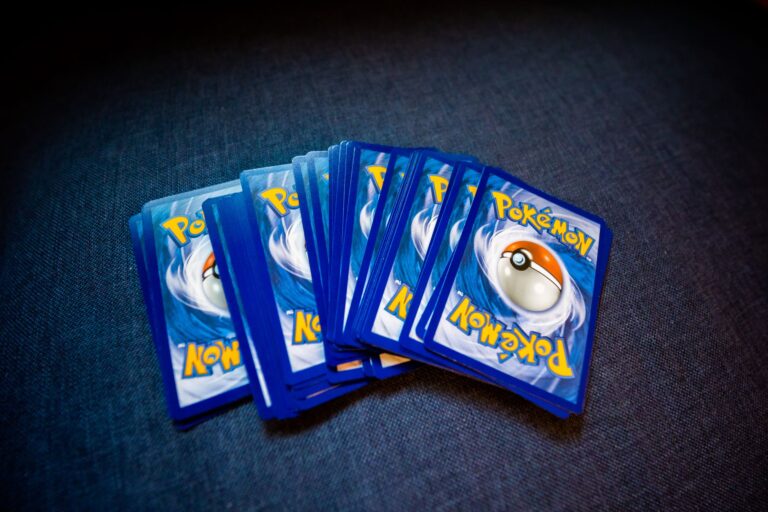
Pokemon cards deliver superior long-term returns compared to sports cards, appreciating at rates that dwarf traditional investments and even the S&P 500. Over 20 years, Pokemon cards have returned 3,261%—substantially outpacing the sports card market and the stock market’s 12% average annual return. In 2026 alone, a Pikachu Illustrator card shattered records by selling for $16.49 million at Goldin Auctions in February, compared to the highest sports card sale ever, the T206 Honus Wagner at $7.25 million in 2022.
While sports memorabilia commands a larger total market value of $33.6 billion, the Pokemon trading card market’s more focused nature and younger demographic create sharper price movements and more explosive upside potential for savvy investors. The math is straightforward: Pokemon cards appreciate at an average rate of 46% annually, far exceeding sports cards and making them a more attractive investment vehicle for anyone looking to build wealth through collectibles. This performance gap isn’t coincidence—it’s driven by structural advantages in the Pokemon market that sports cards cannot replicate.
Table of Contents
- Why Pokemon Cards Deliver Superior Returns Compared to Sports Cards
- Market Dynamics That Favor Pokemon Over Sports Cards
- Record-Breaking Sales and Real-World Performance Examples
- How Demographics Shape Investment Potential for Pokemon Cards
- Market Risks and Investment Cautions
- The Market Momentum Advantage in 2025 and Beyond
- Long-Term Investment Outlook for Pokemon Cards
- Conclusion
Why Pokemon Cards Deliver Superior Returns Compared to Sports Cards
The fundamental difference between pokemon and sports card investment returns comes down to market scarcity and demographic expansion. Pokemon cards have appreciated 3,261% over 20 years while maintaining strong annual growth momentum of 46% per year, whereas sports cards show steadier but slower appreciation. The Pokemon Trading Card Game market reached $7.51 billion globally in 2025 with a 7.9% compound annual growth rate, while sports memorabilia—including but not limited to cards—sits at $33.6 billion. However, the larger overall market size for sports doesn’t translate to better investments; in fact, it dilutes returns by spreading demand across millions of players, teams, and eras.
Pokemon cards’ advantages emerge from controlled supply and explosive demand among younger, fast-growing demographics. With only an estimated 25 million active U.S. Pokemon fans compared to over 160 million sports fans, demand concentrates on a smaller supply pool, driving prices upward. Grading data from PSA illustrates this dynamic: in 2024, graders authenticated 9.1 million sports cards but only 6.23 million non-sports trading cards. That lower grading volume for Pokemon cards reflects both rarity of high-grade specimens and collector confidence that the cards are worth professional authentication.

Market Dynamics That Favor Pokemon Over Sports Cards
The Pokemon franchise generates over $115 billion in lifetime revenue, providing a powerful moat around card values. This cultural staying power matters because it sustains demand across decades, not just the one or two years that sports cards ride on a player’s performance. When a sports team’s star player declines, retires, or faces scandal, their cards drop sharply; when Pokemon introduces a new set or game expansion, the entire card market rises. The franchise’s expansion into new markets—particularly the recent success of Pokémon TCG Pocket—drives fresh interest in physical cards and creates new collector cohorts every few years.
A critical limitation exists, however: the Pokemon market can be volatile. Recent examples show both explosive upside and unpredictable pullbacks. The “Bubble Mew” card surged from $100 to $400 in just four months before settling at $300, only to spike again in June buyout activity. The Alt-Art Latias & Latios-GX broke through the $2,000 market price, and the common Snorlax from the 151 Elite Trainer Box climbed from under $1 to $6 in a single year, with Pokémon Center-stamped versions approaching $100. These examples demonstrate real wealth creation, but they also show that prices can reverse suddenly if market conditions shift.
Record-Breaking Sales and Real-World Performance Examples
The 2026 Pikachu Illustrator sale for $16.49 million represents the highest price ever achieved by any trading card in history, setting a benchmark that sports cards have never approached. Even accounting for the Honus Wagner’s $7.25 million sale in 2022, Pokemon’s highest-value cards now command nearly 2.3 times more than the most valuable sports cards. These aren’t outliers—they reflect systematic pricing power within the Pokemon market.
Practical examples from 2025 show how mid-tier Pokemon cards provide returns accessible to ordinary investors. The Snorlax card from the 151 Elite Trainer Box started under $1 in September 2024 and climbed to over $6 by mid-2025, a 500% return in under a year. Pokémon Center-stamped versions of the same card approached $100, proving that even common cards gain value through rarity variations and condition premiums. For comparison, sports cards of similar rarity rarely achieve these multiples, as sports collector demand remains anchored to player performance rather than card scarcity.

How Demographics Shape Investment Potential for Pokemon Cards
Pokemon cards appeal to a younger, more female-inclusive demographic (30% female compared to sports cards’ primarily male, 25-60 age audience), which has profound implications for long-term value appreciation. Younger collectors will hold cards for decades, creating sustained demand far into the future. The under-25 audience that dominates Pokemon collecting will be in peak earning years 20-40 years from now, when they possess far more capital to invest in their childhood passion. Sports card collectors, already in their peak earning years, have fewer decades of potential value creation ahead.
This demographic shift carries risks worth acknowledging. If Pokemon’s cultural relevance declines—a possibility faced by any entertainment property—card values could contract. Sports cards maintain value partially because professional sports remain culturally anchored, regardless of which teams or players dominate. Pokemon cards depend on the franchise’s cultural vitality, which is cyclical. The Pokémon TCG Pocket mobile game and successful sets like Surging Sparks and Prismatic Evolutions demonstrate current momentum, but this momentum could shift if the franchise falters.
Market Risks and Investment Cautions
Condition and grading represent critical investment factors that new Pokemon card investors often underestimate. The 6.23 million non-sports cards graded by PSA in 2024 reflect not just volume but the importance of professional authentication in the market. A card’s grade can mean the difference between $10 and $1,000 in value, making condition paramount. Unlike sports cards, where wear is accepted and expected on vintage items, Pokemon cards—particularly modern cards—command premium prices only in near-mint or mint condition. Storage, handling, and environmental factors determine whether a $5 card becomes a $50 investment or loses half its value to light damage or temperature fluctuation.
The rapid appreciation cycles of Pokemon cards also create timing risk. Buying cards after a price surge, when enthusiasm peaks, locks investors into overvalued positions. The “Bubble Mew” example showed cards doubling in four months before retracing, proving that even hot cards correct sharply. Sports cards, with their broader collector base and slower appreciation, offer more stability but less upside—a reasonable tradeoff for risk-averse investors. Successful Pokemon card investing requires market timing, trend awareness, and discipline to sell winners before enthusiasm craters.

The Market Momentum Advantage in 2025 and Beyond
The current Pokemon card market activity rivals the 2021 collectibles boom peak, driven by Pokémon TCG Pocket’s release and successful physical sets. This surge represents an opportunity window where retail releases still exist at face value in some regions, before speculative buying drives secondary market prices upward. Sports card markets experience similar surges—primarily around major draft classes or rookie seasons—but those windows are shorter and more predictable, allowing sophisticated traders to front-run demand.
Pokemon’s broader expansion into gaming, merchandise, and media creates longer, more sustained demand windows. Card sets from 2024-2026 are appreciating faster than older vintage cards in many cases, a phenomenon sports cards don’t experience. The Surging Sparks and Prismatic Evolutions sets are driving measurable price increases, rewarding investors who buy modern cards early. This stands in stark contrast to sports cards, where vintage rookie cards from the 1980s-1990s hold the most value, and modern cards rarely appreciate significantly before a player proves their Hall of Fame credentials.
Long-Term Investment Outlook for Pokemon Cards
The $115 billion Pokemon franchise lifetime revenue, combined with the franchise’s demonstrated ability to reinvent itself through new games, sets, and media, positions Pokemon cards for continued appreciation. The franchise shows no signs of decline; instead, it continues expanding into new demographics and regions. This trajectory contrasts with sports cards, which remain cyclical based on league performance and individual player achievement—factors outside any investor’s control.
Five-year and ten-year outlooks favor Pokemon cards substantially, assuming the franchise maintains cultural relevance and card supply remains controlled. The demographic advantages are structural, not temporary: younger collectors with decades of earning potential ahead will inherit wealth and likely increase their Pokemon card allocations. Sports card investors face demographic headwinds, with an aging collector base gradually downsizing collections rather than expanding them.
Conclusion
Pokemon cards outperform sports cards as investments through superior appreciation rates, demographic tailwinds, and structural market advantages that favor scarcity and sustained demand. The 3,261% 20-year return and 46% average annual appreciation vastly exceed sports card performance and the S&P 500’s 12% baseline, while a smaller collector base and younger demographic provide runway for decades of future value creation.
The $16.49 million Pikachu Illustrator sale and real-world examples like the Snorlax card’s 500% surge demonstrate that wealth creation in Pokemon cards is not theoretical—it’s happening now across price tiers accessible to ordinary investors. Investors interested in Pokemon cards should start by understanding condition grading, researching emerging sets and variations, and committing to a multi-year holding period to capture the compounding returns that make this market attractive. The key advantage of Pokemon over sports cards—demographic expansion and franchise vitality—remains intact and will likely strengthen as younger collectors age into higher earning potential and greater capital allocation toward their passion.