
Pokemon cards have conclusively outperformed comic books as an investment class, with the data leaving little room for debate. Over the past year alone, Pokemon card prices surged 170 percent while even the most coveted comic books—like Spider-Man’s first appearance—have returned only about 11 percent annually since 2009. The gap widens dramatically when you examine long-term performance: Pokemon cards experienced a staggering 3,821 percent value increase since 2004, far outpacing the S&P 500’s 483 percent return over the same two decades.
This isn’t nostalgia or hype driving the numbers; it’s genuine scarcity, growing demand, and structural advantages that comic books simply cannot replicate. Consider a concrete example: a rare Umbreon ex SIR card (#161) that sold for approximately $882 in February 2026 jumped to around $1,500 by early April—a gain of roughly 70 percent in two months. That kind of appreciation trajectory is not typical of comic book investments, which appreciate slowly and unpredictably. The Pokemon card market has become a legitimate asset class, with institutional interest growing alongside individual collectors seeking alternatives to traditional stocks and bonds.
Table of Contents
- How Pokemon Cards Beat Comic Books in Raw Returns
- The Market Size and Supply Reality
- Record Sales and the 30th Anniversary Boom
- Investment Categories and Different Risk Levels
- Liquidity, Market Depth, and Accessibility
- The Counterfeiting Problem and Due Diligence
- Market Maturation and Future Outlook
- Conclusion
How Pokemon Cards Beat Comic Books in Raw Returns
The comparison becomes even more striking when you look at specific timeframes. In January 2026 alone, average pokemon card values climbed 46 percent year-over-year, while comic book returns have remained stagnant in low double digits. Over a 20-year period, Pokemon cards appreciated an average of 3,261 percent, with consistent annual gains averaging 46 percent. Comic books, by contrast, offer no such consistency. A major comic book sale might generate headlines, but most books in most collections appreciate slowly if at all, and many decline in value as they age and condition deteriorates. What explains this divergence? Pokemon cards operate in a fundamentally different market structure than comics. The Pokemon Company tightly controls supply through strategic print runs, creating artificial scarcity even for modern cards.
Comic books, while they can be rare, were never printed with the same supply discipline. Moreover, Pokemon cards appeal to a global audience, with collectors and investors spanning every continent. Comic books remain primarily a Western market, limiting their upside potential. The math also matters when considering compounding returns. If you’d invested $1,000 in vintage Pokemon cards in 2004, that investment would have grown to nearly $39,000 by 2024. An equivalent investment in comic books would have returned a fraction of that. Even modern Pokemon cards—newer releases from the past few years—show 5-20 percent annual growth rates, which outpace most comic book investments consistently.

The Market Size and Supply Reality
The Pokemon trading card market operates at a completely different scale than the comic book market. In 2025, more than 75 billion Pokemon cards were printed worldwide, yet demand still outpaces supply for desirable cards. The global trading card games market reached $8.4 billion in 2025 and is projected to grow to $16.9 billion by 2035. Pokemon holds over 12 percent of that market share, making it the dominant force in collectible card games. This supply-demand dynamic is critical to understanding why Pokemon cards appreciate faster. Comic books face a fundamental problem: there are millions of copies of most issues in existence. Even “rare” comics often have thousands of copies floating around.
In contrast, Pokemon card sets are designed with limited production runs, and grading services have created a scarcity premium for high-condition cards. A first edition Charizard from the 1999 Base Set represents a finite resource that only becomes more valuable as cards age and condition deteriorates. However, there’s a crucial caveat to understand. The supply constraints work primarily for vintage and first-edition cards. Modern Pokemon cards from recent sets are produced in massive quantities, which means not all modern cards will appreciate dramatically. Most Pokemon cards in active circulation trade between $5 and $15, and many newer cards will never appreciate significantly. The high returns cited in this article apply primarily to rare, graded cards in exceptional condition—not the average card sitting in a binder.
Record Sales and the 30th Anniversary Boom
The Pokemon trading card market reached a symbolic inflection point in February 2026 when a rare Pikachu Illustrator card sold for more than $16 million at auction, setting a record for the most expensive trading card ever sold. This sale, connected to Logan Paul’s high-profile collection, captured mainstream attention and validated Pokemon cards as a legitimate investment vehicle. Such record-breaking sales would be inconceivable in the comic book market, where even the rarest and most historically significant comics rarely exceed $3-4 million at auction. Equally important is the timing. Pokemon’s 30th anniversary officially began January 30, 2026, and has become a dominant market force. The company released special anniversary products, limited-edition sets, and nostalgic reprints that have generated real demand pressure across multiple product categories. This anniversary window—expected to run through 2026—is creating a specific window of opportunity for investors seeking entry points.
Comic books have no equivalent catalyst. Marvel and DC don’t coordinate anniversary releases in ways that drive market-wide momentum; their supply remains steady and predictable. The 30th anniversary effect demonstrates something essential about Pokemon card investments: the hobby benefits from coordinated company strategy, planned release schedules, and deliberate scarcity. When Pokemon announces a limited release or special edition, the market responds immediately. Comic books lack this structure. A publisher might reprint a classic comic at any time, undermining any scarcity premium. Pokemon maintains pricing power through supply control; comics do not.

Investment Categories and Different Risk Levels
Not all Pokemon card investments carry equal risk or return potential. Understanding these categories is essential before allocating capital. Vintage Pokemon cards—first editions, shadowless cards, and cards from the 1999-2001 era—show the highest returns, with compound annual growth rates of 30-40 percent. These cards benefit from age, nostalgia, limited original production, and cultural significance. A mint-condition 1999 Holographic Charizard is functionally a finite resource that becomes more scarce every year as cards deteriorate in storage. Sealed products (unopened packs and booster boxes) represent the middle tier, with 15-35 percent CAGR. These investments appeal to collectors who want exposure to Pokemon card appreciation without needing to evaluate individual card condition and authenticity.
The downside is that sealed products can be counterfeited, so verification from reputable dealers is essential. Modern cards from recent sets occupy the lowest tier, with 5-20 percent annual growth potential. These appeal to newer collectors but carry higher risk—many modern cards will appreciate modestly or not at all. The key comparison to comics: comic books don’t stratify in this way. A rare Action Comics #1 (Superman’s first appearance) is valuable, but most comics don’t exist in comparable “sealed” or “modern” equivalents that can be reliably invested in. Comic book investing requires significant expertise to identify which books will appreciate. Pokemon cards, by contrast, have grading companies and certified condition standards that make investment more transparent and accessible.
Liquidity, Market Depth, and Accessibility
One advantage Pokemon cards maintain over comics is market liquidity. Major platforms like TCGPlayer, eBay, and specialized Pokemon retailers provide transparent pricing, historical sales data, and quick transaction capability. If you need to exit a Pokemon card investment, you can list it and typically sell within days or weeks at fair market value. The prices are discoverable because thousands of transactions occur daily at all price points. Comic book sales are more sporadic and rely heavily on specialty shops, occasional auctions, or private sales between collectors. A valuable comic book might take months to sell, and finding a buyer at fair market value can be challenging.
This liquidity premium matters for investment performance. An investment that you can easily exit at market prices is fundamentally more valuable than one locked in illiquidity. Pokemon cards also benefit from international trading, whereas comic books remain primarily regional. That said, timing matters significantly for Pokemon card sales. Selling during market peaks—like around major anniversary releases or record-setting auctions—can yield better returns than selling during downturns. Comic book sales are similarly timing-dependent but less predictable. The structural advantage belongs to Pokemon, where release schedules and anniversary events create forecastable demand cycles.
The Counterfeiting Problem and Due Diligence
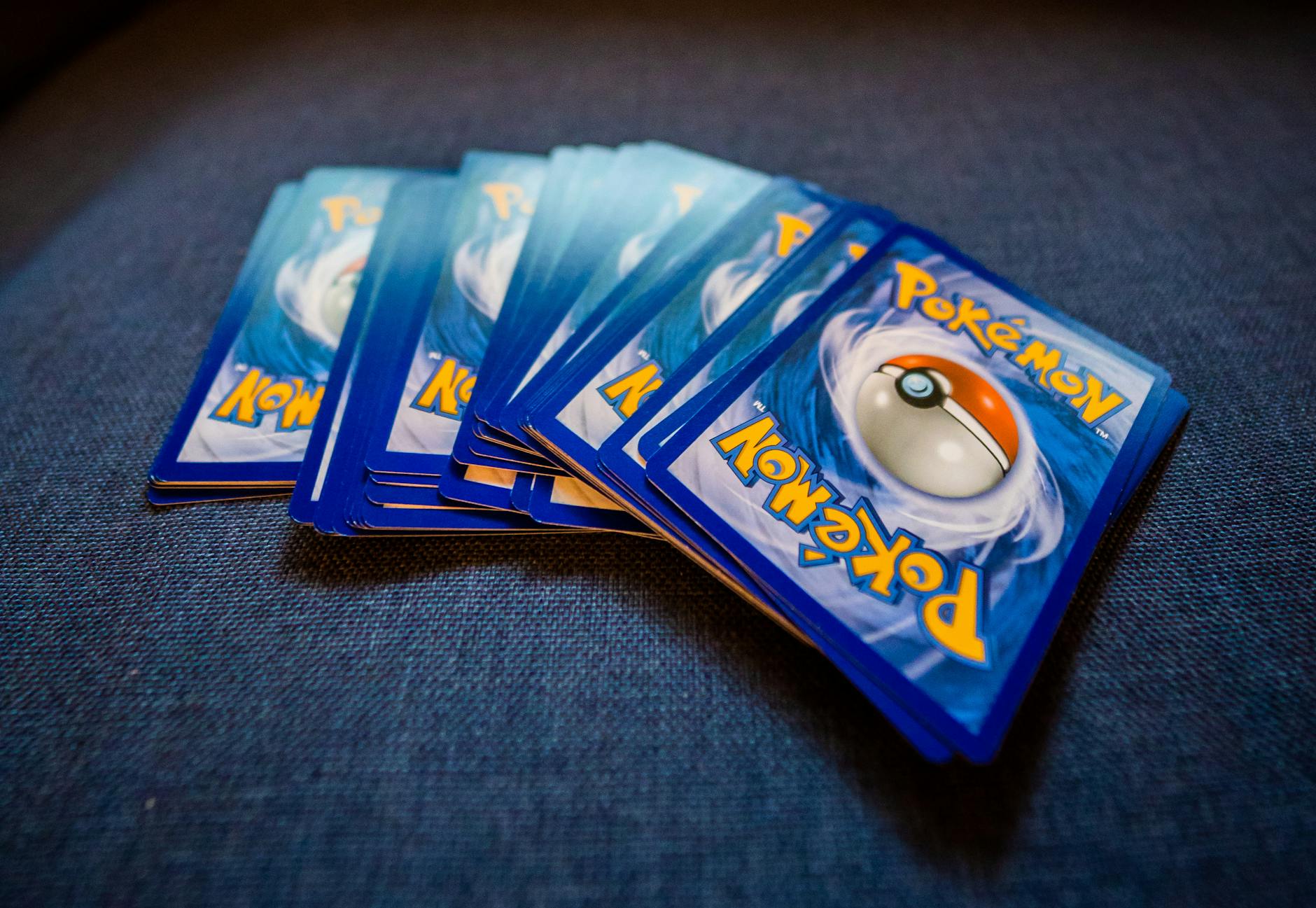
Any honest discussion of Pokemon card investments must address counterfeiting risk. As card values have risen, high-quality counterfeit cards have proliferated, particularly online. A counterfeit first-edition Charizard graded as authentic could be worthless. Comics face counterfeiting too, but the scale is smaller and the economic incentive lower. Most counterfeit comics fool no one; counterfeit Pokemon cards can deceive even experienced collectors.
This means serious Pokemon card investors must invest in grading and authentication services like PSA, BGS, or CGC. Graded cards command premium prices precisely because the certification removes authentication risk. An ungraded rare card, no matter how authentic, will sell at a discount to its graded equivalent. This creates an additional cost to Pokemon card investing—grading fees typically range from $15 to $100+ per card depending on card value and turnaround time. Comics don’t require this level of third-party certification to trade at fair value, reducing a friction point in comic book investing.
Market Maturation and Future Outlook
The Pokemon card market is in a maturation phase that should sustain appreciation over the next 5-10 years. The 30th anniversary is just the beginning. As millennials and Gen Z investors accumulate wealth, demand for Pokemon cards from childhood should remain strong. The hobby transcends pure collecting nostalgia; serious investors now view Pokemon cards as an alternative asset class comparable to fine art or rare coins.
Looking forward, the projected growth of the trading card market to $16.9 billion by 2035 suggests sustained tailwinds. Comic books face no comparable market-wide growth projections; the industry is essentially flat. Pokemon’s global reach, with strong markets in Japan, Korea, and Europe in addition to North America, creates more diverse demand than comics can tap. If you’re evaluating whether Pokemon cards or comics offer better forward returns, the structural trends clearly favor cards.
Conclusion
The case for Pokemon cards as a superior investment compared to comic books rests on quantifiable performance metrics, structural market advantages, and forward-looking demand dynamics. Pokemon cards have delivered 170 percent returns over the past year, 46 percent average annual increases, and a remarkable 3,821 percent gain since 2004—returns that comic books, averaging 11 percent annually at best, cannot approach. The Pokemon Company’s supply control, global market reach, grading infrastructure, and coordinated anniversary events create advantages that comic book publishers simply do not possess. If you’re considering entering the Pokemon card market as an investor, start by understanding which category aligns with your risk tolerance and capital availability.
Vintage first-edition cards offer the highest returns but require significant capital and authentication risk. Sealed products offer middle-ground risk and returns. Modern cards provide accessibility but lower appreciation potential. Regardless of which tier you choose, verify authentication through reputable graders, understand current market pricing through platforms like TCGPlayer, and avoid overpaying during speculative peaks. The 30th anniversary window presents a genuine opportunity, but patience and discipline remain essential for long-term investment success.
You Might Also Like
- Why Pokemon Cards Are a Better Investment Than YouTube Channels
- Why Pokemon Cards Are a Better Investment Than Wheat Futures
- Why Pokemon Cards Are a Better Investment Than Websites