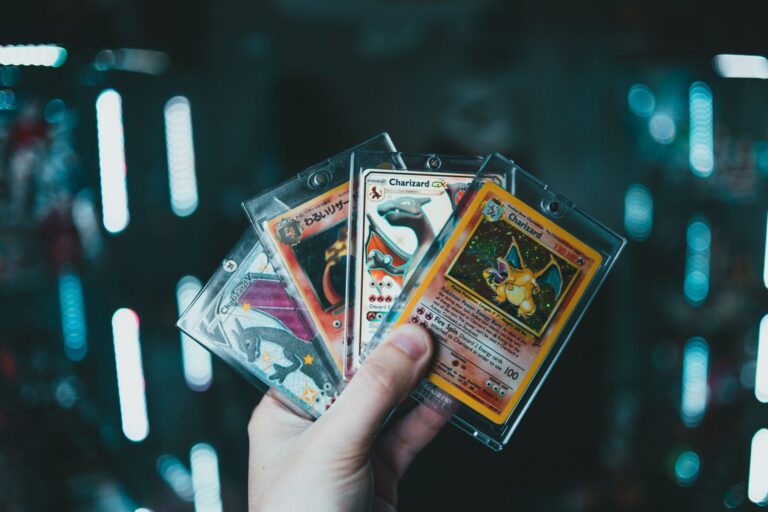
Whether you should open a vintage Pokémon pack depends entirely on your primary goal: if you’re building a personal collection and want the experience of discovering rare cards, opening makes sense; if you’re holding it as an investment, keeping it sealed almost always preserves more value. A sealed 1st Edition Base Set booster pack from 1999, for example, commands anywhere from $5,000 to $40,000 depending on condition, while even the best cards pulled from an opened pack rarely reach those price points individually. The sealed pack carries scarcity premium—there are only so many of these remaining in the world, and each opening reduces the pool further, making the remaining sealed copies more valuable.
Yet for collectors who want to experience the original Pokémon TCG and own pieces of that era, the satisfaction and nostalgia of opening a pack can be worth more than pure monetary gain. The real tension in this decision comes down to whether you view vintage packs as financial assets or collectible experiences. Most serious investors and graders keep packs sealed specifically because of the value preservation—a PSA 8 sealed pack maintains its authentication and condition status, while once opened, you’re relying on individual card grading and the luck of what’s inside. For the average collector without deep knowledge of individual card grades and market prices, opening a vintage pack is far riskier financially because you might pull cards that grade poorly or have limited demand.
Table of Contents
- How Do Sealed Packs Compare to Opened Packs in Value?
- What Happens to Vintage Cards When Packs Are Opened?
- Market Dynamics: Does the Sealed Pack Market Keep Rising?
- The Collector’s Dilemma: Personal Enjoyment Versus Financial Assets
- Risk Factors When Opening Vintage Packs
- How Storage and Preservation Affect Your Decision
- The Future Outlook for Sealed Vintage Packs
- Conclusion
How Do Sealed Packs Compare to Opened Packs in Value?
The valuation gap between sealed and opened vintage packs is substantial and has widened over the past decade. A sealed 1st Edition base Set booster pack graded PSA 9 recently sold for over $35,000, while even a pristine Charizard pulled from that same era might fetch $10,000-$25,000 depending on its own condition grade and centering. The math is clear: the sealed package commands a premium that the contents often cannot replicate. This is partly because sealed packs represent scarcity and historical preservation—you’re holding a time capsule from 25 years ago in its original state—while individual cards, even powerful ones like Charizard or Blastoise, are more subjective in value based on condition and market demand shifts.
Consider a Jungle or Fossil set booster in near-mint sealed condition: you might see asking prices between $1,500 and $4,000. If you open it and pull an average mix of cards, you’re likely looking at a total value under $500 across the entire pack’s contents, sometimes far less. The only scenarios where opening pays off are when you either pull a true jackpot (a high-grade Charizard, shadowless card, or misprint), get lucky with condition, or you’re pulling from a set like Unlimited where sealed packs are more affordable and the upside potential justifies the risk. But statistically, you’re gambling against the sealed pack’s inherent value floor.

What Happens to Vintage Cards When Packs Are Opened?
Opening a vintage pack introduces several risks that sealed condition eliminates. First, the act of opening itself—even carefully—can cause minor damage: edge creases, centering issues, or light surface wear just from exposure to air and handling. A card that might have graded PSA 9 in a sealed pack can drop to PSA 8 or even PSA 7 once opened and handled, which represents a significant value reduction. The 1999 Base Set Charizard, for instance, can vary from $15,000 (PSA 9) to under $8,000 (PSA 7) based purely on condition grade. Opening also exposes you to the reality that vintage packs often contain printing inconsistencies and variations in centering that are only visible once you see the actual cards—many packs from the late 90s have notably off-center holos that disappointed collectors even at the time.
Another critical factor is that opened vintage packs are less liquid as an asset class. Sealed packs have a straightforward grading standard and transparent market—PSA Gem Mint 9 is PSA Gem Mint 9. Once you open a pack, you have 10-11 loose cards to sell individually, each requiring separate grading, storage, and sale logistics, and the combined value of all those individual sales rarely matches the sealed pack’s worth. Additionally, vintage cards are prone to issues from decades of storage: off-center printing, light print spots, or subtle fading are common, and graders can be strict with vintage cardstock. A single card in the pack might be worth $2,000, but if it grades PSA 6 instead of PSA 8, you’ve lost $5,000+ in value instantly.
Market Dynamics: Does the Sealed Pack Market Keep Rising?
The sealed vintage pack market has experienced significant appreciation, particularly since 2020, but growth rates vary dramatically by set and condition. First Edition Base Set booster packs appreciate at roughly 15-25% annually when in high grades, while Unlimited packs have appreciated more slowly at 5-10% yearly. This appreciation is driven by declining supply—packs are pulled from collections, opened, stored in poor conditions, or lost to time—while demand remains steady from serious collectors and institutions building Pokémon archives. The scarcity factor is real: estimates suggest only 2,000-5,000 1st Edition Base Set boosters remain sealed worldwide across all grading conditions, compared to potentially millions opened and lost over the past 25 years.
However, the market can shift unpredictably based on cultural trends and new collector interest. When Pokémon GO launched in 2016, and again when the Pokémon TCG boomed in 2020-2021, sealed pack prices spiked, then plateaued when retail reprints became abundant and new collectors learned they couldn’t afford vintage packs at inflated prices. If the vintage market cools, sealed packs might appreciate more slowly, though their downside risk is theoretically limited because of the scarcity floor. Meanwhile, if you open a pack today and pull mediocre cards that grade poorly, you’ve essentially locked in a loss compared to keeping the sealed pack and potentially selling it in 5-10 years when it might be worth even more.

The Collector’s Dilemma: Personal Enjoyment Versus Financial Assets
For many collectors, the decision comes down to one fundamental question: Is this pack for my collection or for my investment portfolio? If you’re a serious Pokémon fan who loves the cards, wants to own pieces of TCG history, and can afford to absorb the financial hit of opening, then the intangible value of the experience—opening a pack from 1999 or 2000 and discovering what’s inside—can be worth more than the $5,000+ price difference. Some collectors describe opening a vintage pack as a bucket-list experience, akin to opening a vintage wine or a sealed video game. The nostalgia, the stories you’ll tell, and the personal connection to the era matter to certain collectors more than optimal financial returns.
The tradeoff is that you’re trading certain, measurable value for uncertain upside and emotional payoff. If you open a Jungle booster pack expecting to find a Venusaur or Victreebel holo and instead pull mostly common Pokémon that grade poorly, the disappointment is real—you’ve just converted a $2,000 sealed asset into maybe $400 of loose cards. Conversely, if you buy a sealed pack and simply enjoy displaying it in a graded slab or looking at it as a collectible, you’ve preserved that $2,000 (or more) while potentially gaining appreciation. The key insight is that opening should only happen if the personal experience genuinely outweighs the financial loss for you—not because you think you’ll “get lucky” and pull something valuable, because the odds are statistically against that outcome.
Risk Factors When Opening Vintage Packs
Opening a vintage pack exposes you to risks beyond simple market values. Cards from the late 90s and early 2000s often have quality control issues that are only visible when opened: miscuts, registration shifts, ink spots, or fading on the reverse side. You might find a card that looks NM in hand but grades PSA 7 due to these manufacturing defects, disappointing expectations significantly. Additionally, vintage cardstock is more fragile than modern cardstock, which means even careful handling can introduce minor wear—a slight bend to a corner, a thumbnail crease while shuffling, or dust particles settling on the surface. Graders are strict about these details, and a card that might have achieved PSA 9 in the pack could drop to PSA 8 or lower after exposure.
There’s also the storage risk: once opened, you’re responsible for properly storing and protecting 10-11 individual cards. If you don’t use top loaders, penny sleeves, or proper storage boxes, or if storage conditions involve humidity fluctuations or temperature swings, the cards will deteriorate. Vintage cardstock is particularly susceptible to fading and warping. A sealed, graded pack in a vault or a collector’s climate-controlled room will maintain its value far better than loose cards stored in a shoebox in an attic. For casual collectors without experience in card storage and preservation, opening a vintage pack essentially guarantees some degree of value loss simply from the handling and storage challenges involved.

How Storage and Preservation Affect Your Decision
If you decide to keep a vintage pack sealed, proper storage is non-negotiable to preserve the value you’ve already invested in. A sealed booster pack in a PSA slab should be kept in a climate-controlled environment—ideally 65-75°F with 40-60% humidity—away from direct sunlight, which can fade the paper packaging over decades. PSA slabs are designed to protect cards in a stable environment, but they’re not waterproof or fireproof, so storing them in a safe, climate-controlled location is important. Many serious collectors keep high-value sealed packs in home safes or bank safe deposit boxes, a level of caution that underscores how seriously they view these assets.
For opened cards, the storage requirements are even more stringent. Each card should go into individual sleeves (Penny Sleeve or Dragon Shield) and then top loaders or card storage boxes. High-value cards demand ultrasonic sealing or even encapsulation in magnetic boxes that minimize air exposure. If you’re unwilling or unable to invest in proper storage infrastructure, keeping the pack sealed eliminates that concern entirely. The sealed pack’s packaging and slabs do the protective work for you, which is another financial advantage to keeping vintage packs sealed—you’re eliminating the ongoing storage and preservation costs and effort that loose cards demand.
The Future Outlook for Sealed Vintage Packs
The long-term trajectory for sealed vintage Pokémon packs points toward continued appreciation, though the pace may vary. As more collectors recognize the finite nature of sealed vintage stock and as the Pokémon TCG solidifies its cultural status beyond childhood nostalgia, sealed packs are increasingly viewed as alternative investments and historical artifacts. Museums, serious collectors, and institutional buyers are entering the market, which typically stabilizes and even accelerates appreciation for scarce items. A sealed 1st Edition Base Set pack today might seem expensive at $25,000-$40,000, but in 2035, when remaining sealed packs are estimated to number in the low thousands worldwide, that price could easily be 2-3 times higher.
For opened cards, the outlook is more muddled. Specific high-grade cards like Charizard, Blastoise, and Venusaur will likely maintain value, but bulk commons and uncommons from vintage packs have limited collector appeal and may appreciate slowly or decline if market saturation increases. The sealed pack advantage is that you’re holding a piece of Pokémon history whose scarcity will only increase over time, regardless of which specific cards are inside. If you’re making a long-term investment decision, sealed vintage packs are the more defensible choice.
Conclusion
The decision to open or keep sealed ultimately rests on your financial goals and personal satisfaction priorities. If you’re viewing the pack as an investment, keeping it sealed is nearly always the better choice—you preserve the asset’s value floor, avoid handling damage, eliminate storage complications, and position yourself to benefit from scarcity-driven appreciation over the coming decades. A sealed 1st Edition Base Set booster pack today is a time capsule that will likely be worth more in 10 years, while individual cards pulled from it face uncertainty based on condition grades, market trends, and your ability to store and sell them properly.
If opening the pack would genuinely enhance your collecting experience and you can afford the financial loss, then the personal satisfaction might be worth it. But if you’re uncertain about the value of that experience or hoping to get lucky pulling expensive cards, you’re better served keeping the pack sealed and buying the individual cards you want from other sources. Either way, invest in professional grading and proper storage, because the condition and preservation of a $5,000-$40,000 asset matters significantly to its long-term value.