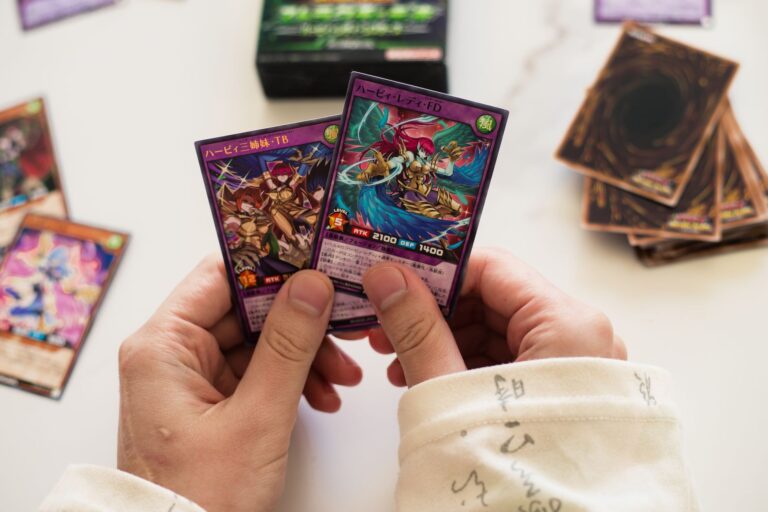
Base Set Pokémon cards have become legitimate investment assets because of scarcity, condition-driven valuation, and sustained demand from a maturing collector demographic. A 1st Edition Base Set Charizard graded PSA 10 currently trades near $168,000 to $170,000, and a complete 1st Edition PSA 10 set sold for $911,000 in recent months—prices that reflect genuine market fundamentals rather than speculative frenzy. Cards that sat in childhood binders and boxes have transformed into tangible wealth for those who preserved them in good condition, a shift that mirrors how comic books, sports cards, and fine art moved from casual consumption into institutional investment categories.
The Pokémon card market completed its transition from novelty collectible to asset class between 2025 and 2026. What began as nostalgia-driven demand in 2020 has matured into a market driven by scarcity, condition verification, and transparent pricing data. Millennial collectors—now entering peak earning years—are actively seeking cards from their childhood, and they have the financial means to bid prices upward for certified examples. For anyone holding Base Set cards or considering entry into the market, understanding the mechanics of this transformation is essential to making informed decisions.
Table of Contents
- What Makes Base Set Pokémon Cards Worth Investing Attention?
- How Grading and Condition Fundamentally Drive Price Premiums
- The Shift From Speculation to Fundamentals-Driven Pricing
- Building a Base Set Collection as a Long-Term Investment
- Common Pitfalls and Risks in Base Set Investing
- The Collector-Investor Distinction and Psychological Factors
- Market Outlook and Long-Term Trajectory
- Conclusion
What Makes Base Set Pokémon Cards Worth Investing Attention?
Base Set cards, released by Wizard of the Coast (WOTC) in 1999, are the foundation layer of Pokémon’s trading card game. The earliest printings—particularly 1st Edition and Shadowless variants—exist in limited quantities, and the majority of cards from that era were played with, bent, stained, or discarded over the past 25+ years. This attrition rate is the core driver of scarcity. A raw 1st Edition Base Set charizard can fetch $3,000 to $6,000 depending on condition, while Unlimited printings of the same card sell for $300 to $500. The 10-fold difference in price reflects the reality that far fewer 1st Edition copies survived in collectible condition. The market has seen 30 to 50% price increases across vintage cards in the 12 months leading into 2026, with 11 consecutive quarters of accelerating Pokémon TCG sales growth on eBay.
WOTC-era vintage cards have sustained 20 to 40% compound annual growth rates over the past few years. This isn’t speculative bubble pricing—it’s the mathematical outcome of fixed supply meeting growing demand from collectors with disposable income. Early investors who bought high-condition Base Set Charizards at $30,000 to $50,000 in 2022 are now sitting on assets worth three times as much. However, the market’s maturity comes with a caveat: easy money is gone. The explosive 200 to 500% gains of 2020 to 2021 are unlikely to repeat. Today’s pricing reflects the actual fundamentals of rarity and condition, meaning future appreciation will be slower and more tied to genuine collector demand than to hype cycles or artificial scarcity narratives.

How Grading and Condition Fundamentally Drive Price Premiums
Condition is the most important determinant of value in the Base Set market, and professional grading services like PSA validate that condition through a standardized 1-10 scale. Only approximately 120 copies of a 1st edition Base Set Charizard graded PSA 10 exist worldwide. This scarcity creates price tiers: PSA 10 vintage cards are worth 10 to 30 times more than raw Near Mint examples of the same card. A raw Near Mint 1st Edition Charizard might be worth $8,000, but the same card in PSA 10 condition can exceed $168,000—a 20-fold premium that reflects both the rarity of perfect preservation and collector willingness to pay for verified authenticity. The grading premium exists because it solves a trust problem. Before professional grading became industry standard, buyers could not reliably verify condition through photos or in-person inspection. Grading companies use forensic examination to rule out restoration, counterfeiting, and hidden damage.
That verification is worth paying for in a market where a single card can cost more than a house. A PSA 10 label is a transferable proof of quality that holds weight across international markets and generations of ownership. The downside of grading dependency is cost and timeline. Sending a card to PSA costs $50 to $150 per submission, and turnaround times can range from weeks to months depending on service tier. A collector holding an ungraded card worth $5,000 might hesitate to pay $100 for grading, but that same card ungraded is nearly unsellable at premium prices. The decision to grade is essentially a binary choice: either the card is valuable enough to justify professional authentication, or it isn’t worth selling at high prices. Many collectors hold raw cards indefinitely rather than pay for the uncertainty of whether a card will grade to the premium levels they expect.
The Shift From Speculation to Fundamentals-Driven Pricing
The Pokémon card market experienced a seismic shift between 2021 and 2025. The early pandemic boom attracted investors who had no collecting history and treated cards like cryptocurrency—buy low, sell high, repeat. When the bubble deflated in 2022, many of these traders exited at losses, and prices corrected sharply. What remained was a market populated by genuine collectors, dealers with institutional knowledge, and a smaller cohort of intelligent investors who understood scarcity and condition fundamentals. By 2025 to 2026, the market had stabilized around driver mechanisms that resemble traditional collectibles markets: scarcity, condition-based valuation, demographic demand, and transparency. Millennial nostalgia is a real factor—people who were 8 years old in 1999 are now 35 years old with disposable income.
That demographic cohort is actively seeking the cards they remember owning, and many are willing to pay premium prices for high-quality examples. Meanwhile, institutional dealers have developed sophisticated pricing models based on historical sales data, rarity estimates, and condition comparables. This transparency has reduced the opportunity for insider information and massive arbitrage but has also stabilized prices, making the market more reliable for long-term holders. The trade-off is that modern entries into the Base Set market require more capital and sophistication than early adopters needed. Someone who bought a psa 8 Base Set Charizard for $800 in 2015 is now sitting on a $40,000+ asset. New buyers entering at 2026 prices face a much steeper hill and cannot expect the same absolute returns. What they can expect is stability: a PSA 10 Base Set Charizard is unlikely to crash in value, but it’s also unlikely to triple in five years.

Building a Base Set Collection as a Long-Term Investment
For collectors considering entry into the market, the practical approach depends on capital availability and risk tolerance. A beginner budget of $2,000 to $5,000 can acquire a set of graded Base Set holos in PSA 7 to 8 condition—cards like Blastoise, Venusaur, and lower-print-run holos that are not Charizard. These cards have appreciated 15 to 25% annually and offer broader market exposure than chasing the single card that receives most of the attention. The secondary benefit is education: owning and studying mid-tier cards teaches a collector how to spot condition issues, authentication concerns, and pricing patterns without the extreme financial stakes of six-figure cards. The Charizard path is more leveraged.
A $3,000 to $6,000 investment in a raw 1st Edition Charizard has a reasonable chance of appreciating to $8,000 to $15,000 over five to seven years if the market continues its historical trajectory. But this path concentrates capital into a single card and introduces timing risk: if the buyer purchases at a local peak and prices dip 10 to 15%, the recovery can take years. The comparison is instructive: $5,000 spread across five solid Base Set holos offers diversification and less downside volatility, while $5,000 into a single Charizard offers higher upside but also higher risk. A practical middle ground is the “core set” approach: buy one high-tier card—a Charizard or Shadowless Charizard—as the flagship, and then fill out supporting holos to create a narrative collection. This approach provides both emotional satisfaction (owning the iconic card) and economic prudence (diversification across multiple print variants and holos). The psychological benefit of this approach should not be underestimated; collecting is not purely financial, and holding a card you actually enjoy looking at makes the holding period more tolerable during price corrections.
Common Pitfalls and Risks in Base Set Investing
One of the largest risks in the current market is overpaying for cards that grade lower than expected. A buyer may purchase a card represented as PSA 8 condition based on photos, pay $15,000, only to later discover it has centering issues, surface wear, or other defects that would grade it as PSA 6 or PSA 7, effectively destroying a quarter to a third of the investment. This risk is partially mitigated by buying only from established dealers with return policies, but private sales and international purchases come with significantly higher due diligence requirements. Many buyers have learned this lesson the hard way, overpaying for ungraded cards based on optimistic condition assessments. Counterfeit Base Set cards are a real but manageable risk. The most counterfeited cards are the high-value holos like Charizard, Blastoise, and Venusaur. Modern counterfeits are sophisticated—they may pass initial inspection but fail under ultraviolet light examination, detailed printing analysis, or professional authentication. The safest approach is to purchase only PSA-graded cards or cards with documented provenance from established dealers.
Buying raw cards, especially from online marketplaces, requires significant expertise to distinguish authentic cards from forgeries. This expertise is not intuitive and cannot be developed overnight. A second pitfall is liquidity overestimation. While a $168,000 PSA 10 Charizard is theoretically “worth” that amount based on recent sales, actually selling the card at that price requires patience and access to qualified buyers. The market for ultra-premium cards is small; there may only be a handful of willing buyers at any given price point. A collector who needs to liquidate quickly may face a 10 to 20% haircut from published market prices. Similarly, cards in PSA 6 to 7 condition (good condition but not premium) have much deeper liquidity but also much slower appreciation. The liquidity-return tradeoff is real: ultra-rare cards appreciate faster but are harder to sell, while more common high-condition cards appreciate slower but have more buyers available.

The Collector-Investor Distinction and Psychological Factors
Base Set cards serve a dual purpose: they are physical collectibles with aesthetic and nostalgic appeal, and they are financial assets. These two identities can create internal conflicts for buyers. A true collector derives satisfaction from ownership, display, and study of the cards—the financial appreciation is secondary. A financial investor views cards purely as assets and may experience emotional friction when holding a card worth $50,000 that is sitting in a safety deposit box accruing no pleasure beyond potential future gains.
The most successful Base Set investors acknowledge this distinction and make deliberate choices based on their primary motivation. A collector who loves the aesthetic of 1st Edition Base Set cards should build a collection of quality examples in PSA 6 to 8 condition and accept that appreciation will be moderate but steady. An investor purely focused on capital appreciation should concentrate capital into the rarest printings (1st Edition, Shadowless) and highest-demand cards (Charizard, Blastoise, Venusaur) and hold for 5-10 year horizons. Attempting to optimize both parameters simultaneously—maximum appreciation plus personal enjoyment—often leads to suboptimal decisions, like overpaying for cards based on emotional attachment or holding low-appreciation cards while waiting for a price correction that never comes.
Market Outlook and Long-Term Trajectory
The Base Set market is unlikely to return to the explosive growth rates of 2020 to 2021, but multiple factors suggest sustained appreciation is probable. The Millennial demographic peak earning years are occurring now, and this cohort has both nostalgic connection and financial means to drive continued demand. Card supplies are constrained and finite—there are a fixed number of 1st Edition Base Set Charizards in the world, and each year some cards are damaged, lost, or removed from circulation, further tightening supply. Institutional recognition of Pokémon cards as legitimate collectibles is growing, with auction houses, investment advisors, and wealth managers beginning to include vintage cards in diversified portfolios.
The probability of significant price corrections exists but is lower than it was in 2021. Current valuations are anchored to demonstrated scarcity and actual collector demand rather than speculative fever. A recession or major disruption to consumer spending could compress prices by 20 to 30%, but the floor is likely much higher than it was in the pre-2020 era. Base Set cards have graduated from novelty status to established collectible category, a transition that typically correlates with price stability at achieved levels rather than price reversal.
Conclusion
Base Set Pokémon cards transformed from childhood memory into investment asset through a combination of scarcity, professional authentication, and demographic demand. A card purchased for $0.99 in 1999 can now be worth $168,000 if preserved in perfect condition and graded by PSA. This transformation is not temporary speculation but reflects genuine market fundamentals: there are very few cards in existence, condition premium is real and verifiable, and a large cohort of collectors with disposable income is actively pursuing them.
For potential investors or collectors, the path forward requires clarity on motivation (aesthetic enjoyment versus capital appreciation), realistic expectations about future returns (15 to 25% annually is solid long-term performance, not 200% overnight), and disciplined decision-making around condition, pricing, and entry points. Base Set cards remain one of the most legitimate and accessible collectible markets for new participants, but the era of effortless gains is over. What remains is a mature market that rewards patience, knowledge, and careful capital allocation.