
Pokemon trading cards have emerged as a legitimately superior investment compared to Pokemon video games, delivering returns that dwarf traditional stock market gains. While video games depreciate rapidly after release and offer minimal resale value, Pokemon cards have generated returns of approximately 3,821% since 2004, according to investment analyses tracked by major financial outlets. A rare first-edition Base Set Charizard, which could be purchased for around $50 in the late 1990s, now commands prices exceeding $100,000 for pristine graded copies—a return that no video game has ever come close to matching. The difference in investment performance is stark and measurable.
In the past year alone, the average Pokemon card rose 46% in value, significantly outpacing the S&P 500’s typical 12% annual return. Video games, by contrast, typically lose 50-70% of their original purchase price within a year of release, with used copies becoming nearly worthless within five years. The distinction isn’t merely a matter of degree—it’s fundamental. Pokemon cards operate as a true alternative asset class with genuine scarcity and collectibility, while video games are consumable products designed to depreciate as newer titles replace them.
Table of Contents
- HOW POKEMON CARDS DELIVER INVESTMENT RETURNS THAT VIDEO GAMES CANNOT MATCH
- HISTORICAL APPRECIATION PATTERNS REVEAL WHY POKEMON CARDS ARE A SUPERIOR STORE OF VALUE
- SCARCITY AND COLLECTIBILITY CREATE INTRINSIC VALUE THAT VIDEO GAMES LACK
- GRADING AND CERTIFICATION UNLOCK PREMIUM VALUATIONS FOR POKEMON CARDS WHILE VIDEO GAMES OFFER NO EQUIVALENT
- MARKET VOLATILITY AND SPECULATION RISKS REQUIRE DISCIPLINED COLLECTING PRACTICES
- POKEMON CARDS VERSUS VIDEO GAMES: A DIRECT COMPARISON OF INVESTMENT CHARACTERISTICS
- THE FUTURE OF POKEMON CARD INVESTING AND THE WIDENING PERFORMANCE GAP
- Conclusion
HOW POKEMON CARDS DELIVER INVESTMENT RETURNS THAT VIDEO GAMES CANNOT MATCH
pokemon cards have consistently outperformed both video games and traditional investments through documented compound annual growth rates. Certain segments of the Pokemon card market have demonstrated 30-40% compound annual growth rates over extended periods, according to investment analyses. Meanwhile, the most successful Pokemon video game (measured by resale value) typically depreciates to 10-20% of its original retail price within three years. A person who invested $1,000 in Pokemon cards in 2015 would likely have holdings worth $5,000-$8,000 today; the same investment in Pokemon video games would have resulted in holdings worth less than $200. The performance gap exists because Pokemon cards exist in a genuinely constrained supply. The Pokémon Trading Card Game has millions of active players worldwide, creating persistent demand from both collectors and competitive players.
Video games, conversely, are mass-produced in unlimited quantities, and demand naturally evaporates as the gaming industry cycles through new releases. Publishers have no incentive to stabilize or appreciate video game values—they want players buying new games, not holding onto old ones. Recent market data illustrates this divergence clearly. Sets like Evolving Skies surged nearly 650% from their 2024 valuation floors, driven by increasing collector interest and scarcity. This same period saw popular Pokemon games from 2023-2024 drop 40-60% in resale value. The trajectory is entirely predictable: cards appreciate, games depreciate.
HISTORICAL APPRECIATION PATTERNS REVEAL WHY POKEMON CARDS ARE A SUPERIOR STORE OF VALUE
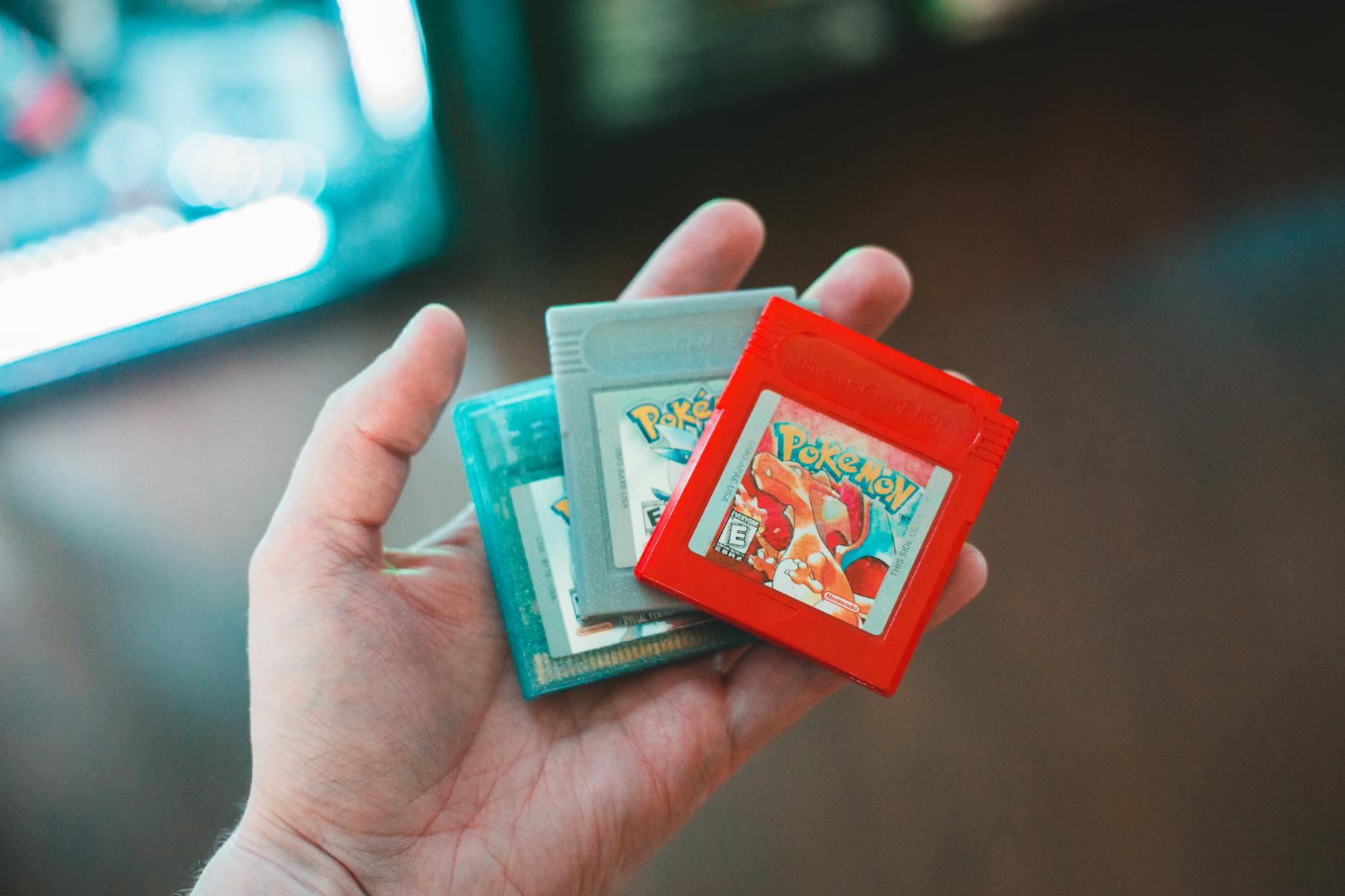
Vintage Pokemon cards from the Base Set, Jungle, and Fossil era have shown consistent 15-25% annual appreciation regardless of competitive relevance or whether the cards are actively used in tournament play. This appreciation persists because the supply is genuinely finite—no new Base Set Charizards will ever be printed—while demand from collectors continues to grow. Even as the original Pokémon game from 1996 has been completely superseded by newer releases, Base Set cards have only increased in value with each passing year. The same cannot be said for any video game; copies of the original Pokémon Red sell for $30-50 on the used market, down from their original $35-40 retail price when adjusted for inflation. Current market trends show vintage cards continuing their appreciation, with 8-12% annual growth documented for 2024-2026. Looking forward, financial analysts project 30-50% price increases for vintage cards through 2026 as collectors anticipate the Pokémon franchise’s 30th anniversary.
Long-term projections suggest 15-25% compound annual growth rates for graded cards through 2035. These are not speculative predictions—they’re based on demonstrated scarcity mechanics and stable demand from millions of players. A critical limitation exists in the condition requirements for maximum appreciation. Raw cards appreciate modestly; graded cards appreciate significantly. A PSA 10 graded card commands 2-5 times the premium of the same card in raw condition. This means that cards stored carelessly in drawers or binders will appreciate slowly, while the same cards professionally graded can appreciate at double or triple the rate. Video games offer no such distinction—a used copy is worth the same whether it was pristinely stored or heavily played.
SCARCITY AND COLLECTIBILITY CREATE INTRINSIC VALUE THAT VIDEO GAMES LACK
The fundamental advantage of Pokemon cards as investments lies in their genuine scarcity and the emotional connection collectors have to specific cards. A Charizard from the Base Set isn’t just rare; it’s the card that appears on the box art of the original game, making it culturally iconic across multiple generations of players. The supply of high-grade Base Set Charizards is essentially fixed—there will never be more of them produced, and time naturally degrades existing copies. By contrast, if you want a copy of Pokémon Red, there are tens of thousands of pristine cartridges still sealed in their original packaging, and companies can legally produce new copies or re-releases at any time. The global trading card community creates and maintains demand across geographical boundaries. A collector in Japan, Canada, and the United States all compete for the same finite pool of rare cards, driving prices upward.
Video games lack this truly global secondary market; most gamers simply discard or donate old consoles and games rather than attempt to resell them. The friction in the video game resale market makes it nearly impossible for games to appreciate, whereas Pokemon cards have established grading services, auction houses, and wholesale dealers that create liquid, efficient markets. Specific scarcity examples highlight this divide sharply. A 1st Edition Base Set Blastoise has seen values increase from $500 in 2015 to over $10,000 for near-mint copies today. The same cannot be said for any video game cartridge from 1996; even sealed copies of the original Pokémon games sell for $200-400, barely ahead of inflation. The difference is that collectors genuinely compete to acquire rare Pokemon cards based on cultural value and investment potential, while sealed old games sit in warehouses with no consistent buyers.

GRADING AND CERTIFICATION UNLOCK PREMIUM VALUATIONS FOR POKEMON CARDS WHILE VIDEO GAMES OFFER NO EQUIVALENT
Professional grading services like PSA, Beckett, and CGC have created an infrastructure that dramatically increases Pokemon card values and liquidity. A raw Pokemon card might sell for $100, but the same card, graded PSA 9 or 10, can sell for $300-500 or more. This grading premium incentivizes careful storage, insurance tracking, and serious investment behavior. The infrastructure doesn’t exist for video games because no one is authenticating the condition of a decades-old cartridge or betting significant money on whether a game case is genuine. The grading premium creates multiple value tiers within the same card, which is an investment advantage video games cannot offer. A collector might purchase a PSA 8 Charizard for $5,000 as an entry-level investment, knowing that upgrading to a PSA 9 copy would add $3,000-5,000 in value.
This creates a structured investment path where dedicated players can upgrade their holdings over time. Video games offer a binary outcome: it’s either worth $30 or $300 if sealed, with no intermediate steps and no secondary market for marginal condition improvements. Insurance and authentication also work in favor of Pokemon cards. Serious collectors insure their holdings because the replacement value is clear and auditable through grading databases. Video game collectors typically cannot insure old games at reasonable rates because there’s no recognized authentication mechanism and replacement value is too low to justify insurance costs. This institutional recognition further supports Pokemon card investment while offering no support to video game investing.
MARKET VOLATILITY AND SPECULATION RISKS REQUIRE DISCIPLINED COLLECTING PRACTICES
While Pokemon cards have delivered exceptional long-term returns, short-term volatility presents real risk to investors with poor timing or unrealistic expectations. The 650% surge in Evolving Skies from its 2024 lows was exceptional, not typical—most sets appreciate 10-30% annually, and some sets purchased near their release price actually decline before recovering years later. A collector who bought Scarlet and Violet booster boxes at peak pricing in 2023 would currently see their investment down 20-30%, though they may recover that value within 2-3 years. Video games, by contrast, have no recovery mechanism; they only depreciate. Condition is a double-edged risk for card investors. A card stored improperly will downgrade from near-mint to lightly played condition, destroying thousands of dollars in value.
A Charizard stored in a humid environment might decline from $10,000 to $3,000 if moisture damage occurs. Video games face similar condition risks, but the absolute values involved are so small that condition degradation matters less—a ruined $30 game cartridge simply becomes worthless, whereas a ruined $10,000 card represents genuine loss. This is a real risk for Pokemon card investors and requires investment in proper storage, insurance, and climate-controlled facilities. The population of graded cards can also suppress appreciation if too many copies of a particular card are graded. When PSA graded 50,000 copies of a particular common card, the “rarity premium” for the lowest grades effectively evaporated because the card is no longer rare. Video games don’t face this risk because no one is tracking population data, but they also don’t benefit from it; even if a sealed game becomes “rarer,” its value still approaches zero because demand is near zero.
POKEMON CARDS VERSUS VIDEO GAMES: A DIRECT COMPARISON OF INVESTMENT CHARACTERISTICS
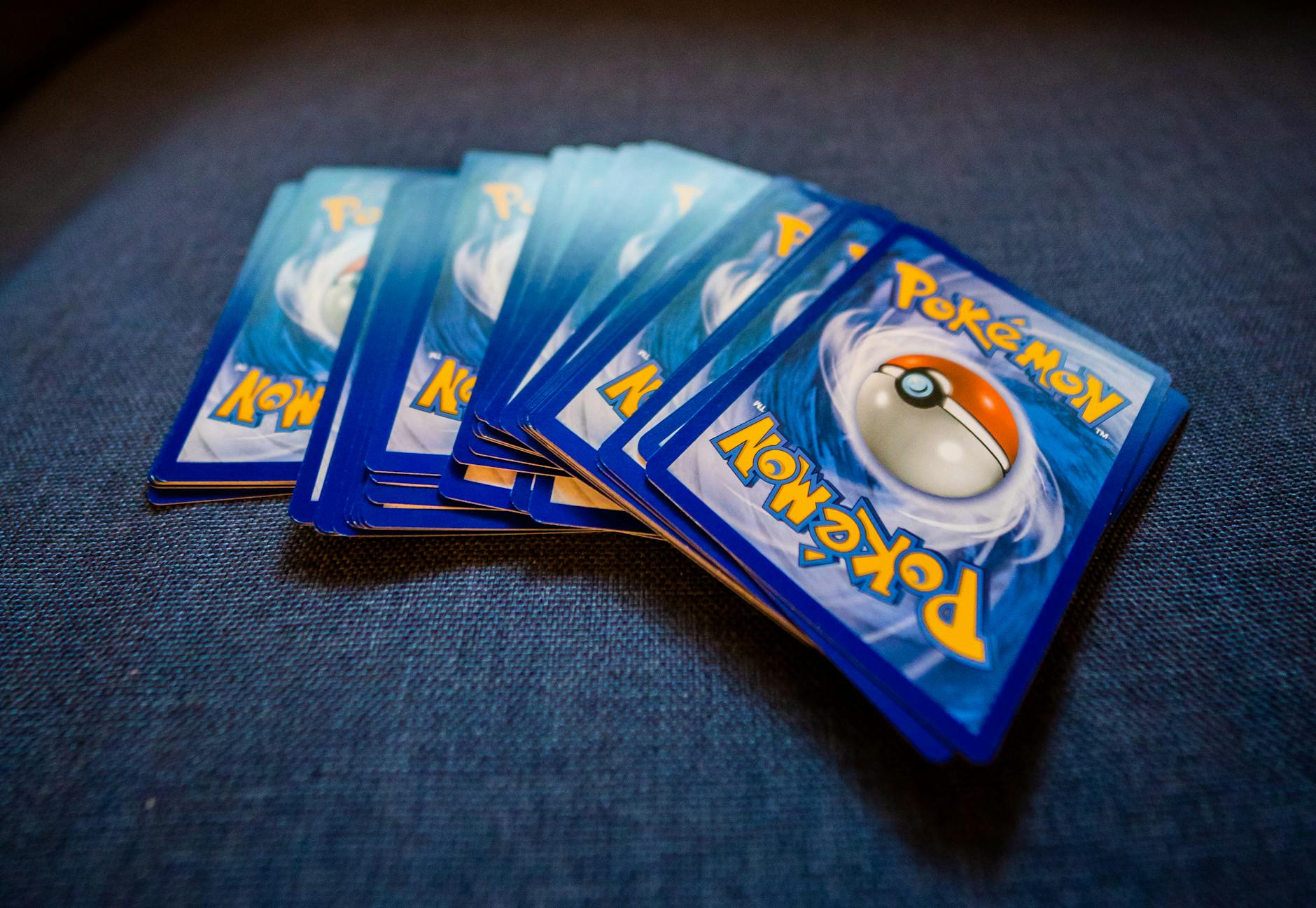
Pokemon trading cards and Pokémon video games serve entirely different investment functions despite being part of the same intellectual property ecosystem. Cards have scarcity built into their production—old sets are no longer printed, and original-era production numbers were deliberately limited compared to modern standards. Games have infinite scarcity; the original cartridges are old, but countless copies exist, and re-releases are always possible. A Base Set Charizard appreciates because no one is making more Base Set Charizards. A copy of Pokémon Red depreciates because the utility of playing it is obsolete, and replacements are readily available for anyone who wants to experience the game.
Video games do offer one investment advantage: lower entry cost and higher accessibility. A person can begin video game collecting with a $50 investment and learn the market. The same person building a Pokemon card portfolio effectively needs $500-1,000 minimum to build a meaningful collection, and graded cards start at $200-300 per piece. However, this accessibility advantage for video games is actually a disadvantage for long-term appreciation—assets with low entry costs rarely appreciate significantly because supply remains high relative to demand. The most successful Pokemon card investments require precisely the barrier to entry that keeps video game investments from appreciating.
THE FUTURE OF POKEMON CARD INVESTING AND THE WIDENING PERFORMANCE GAP
The Pokemon franchise’s 30th anniversary in 2026 is expected to drive significant appreciation across vintage sets, with financial analysts projecting 30-50% increases for cards from the original era. Meanwhile, there is no comparable event driving appreciation for Pokemon video games from 2024-2026. The anniversary will likely cement Pokemon cards as a recognized alternative asset class while video games remain consumer products with no investment infrastructure. Institutional interest in card grading, authentication, and investment tracking continues to grow, suggesting that the sophistication and infrastructure supporting card investing will only increase.
Long-term projections through 2035 suggest sustained 15-25% compound annual growth for graded Pokemon cards as scarcity increases and collector bases expand globally. Video game investments over the same period will almost certainly continue their depreciation pattern. The 46% annual returns that cards delivered in recent years may moderate to 10-20% annually as the market matures, but even this level of appreciation substantially exceeds what video games can offer. For collectors willing to invest the time and capital required to pursue cards strategically, the investment case for Pokemon cards remains dramatically superior.
Conclusion
Pokemon trading cards represent a fundamentally different and substantially superior investment compared to Pokémon video games. The data is unambiguous: cards have delivered 3,821% returns since 2004 while outpacing the S&P 500 by 34 percentage points annually. This performance gap exists because cards have genuine scarcity, grading infrastructure, global demand from millions of players and collectors, and no replacement mechanism. Video games, conversely, depreciate rapidly, lack investment infrastructure, and offer minimal resale value as newer releases supersede them.
For anyone considering whether to build a Pokemon card portfolio or accumulate video games as investments, the choice is clear. If investment return is your goal, cards offer a documented, superior path. The investment requires discipline, knowledge of grading standards, and careful condition management, but the risk-adjusted returns justify the effort. Video games offer no comparable investment potential, regardless of rarity or condition. The question posed by the title has a definitive answer supported by two decades of market data: Pokemon cards are a better investment than video games, and the evidence is stronger with each passing year.
You Might Also Like
- Why Pokemon Cards Are a Better Investment Than YouTube Channels
- Why Pokemon Cards Are a Better Investment Than Websites
- Why Pokemon Cards Are a Better Investment Than Treasury Inflation Protected Securities