
Pokemon cards are a measurably better investment than action figures because they deliver superior long-term returns, maintain standardized valuations, and operate within a liquid market infrastructure that action figures lack. Since 2004, Pokemon cards have generated a 3,821% cumulative return, demolishing the S&P 500’s 483% return over the same period. A sealed 1999 Wizards of the Coast base set booster box purchased for roughly $300 two decades ago would be worth $50,000 to $100,000 today—a return that typical action figures, even rare vintage examples, struggle to match on a percentage basis. The difference comes down to market mechanics and demand.
In January 2026 alone, average Pokemon card prices rose 46% year-over-year, with the Card Ladder Pokemon Index climbing 116% over the past year. Buyers poured $450 million into Pokemon cards in the first quarter of 2026. By contrast, the action figure market, while growing at 8.4% annually to reach $19.49 billion by 2032, lacks the same explosive appreciation. Pokemon cards benefit from a combination of standardized grading, transparent pricing, and a collecting base that spans investment professionals, casual fans, and serious hobbyists. Action figures remain primarily hobby-driven, with prices more volatile and dependent on individual collector demand rather than systematic value discovery.
Table of Contents
- Historical Performance: Why Pokemon Cards Have Crushed Action Figures as Long-Term Investments
- Liquidity and Market Infrastructure: The Advantage Pokemon Cards Hold
- Grading Systems and Condition Premiums: Why Standardization Matters
- Vintage Scarcity and Supply Dynamics: The Pokemon Advantage
- Character Risk and Reputation Resilience: Why Pokemon Wins Long-Term
- Market Growth Projections: The Numbers Point to Pokemon Cards
- The Outlook: Why Pokemon Cards Will Continue Outperforming Action Figures
- Conclusion
Historical Performance: Why Pokemon Cards Have Crushed Action Figures as Long-Term Investments
The numbers tell the story. A collector who invested $10,000 in sealed pokemon product in 2004 would have seen that grow to $392,100 today—while the same amount in the S&P 500 would have become $58,300. This isn’t luck; it’s the result of limited supply meeting consistent, growing demand. Vintage sealed booster boxes deliver 20-35% yearly returns when held for 3-5 years, meaningfully outpacing typical stock market averages of 5-13%. Action figures, by contrast, show much wider return variance. High-end collectible statues can fetch 300% resale markups, but this applies to a tiny fraction of the market. A rare 1978 Star Wars Luke Skywalker with a double-telescoping lightsaber sold for over $25,000—impressive until you realize it took decades to reach that price and required extreme rarity. Most action figures appreciate far more slowly.
The reason Pokemon cards perform better is structural scarcity. Wizards of the Coast produced Pokemon cards in limited quantities before 2003, and every graded, mint-condition example becomes more valuable as existing copies deteriorate or disappear from circulation. Heading into 2026, vintage WOTC cards from that era are showing 30-50% price increases. Action figures, while collectible, don’t benefit from the same supply constraint. Manufacturers have produced action figures continuously and in large volumes for decades. Even discontinued lines eventually lose collector focus as nostalgia fades and new characters emerge. A 1980s action figure you bought for $20 might be worth $50 today. A 1999 Charizard card you bought for the same price might be worth $2,000.
Liquidity and Market Infrastructure: The Advantage Pokemon Cards Hold
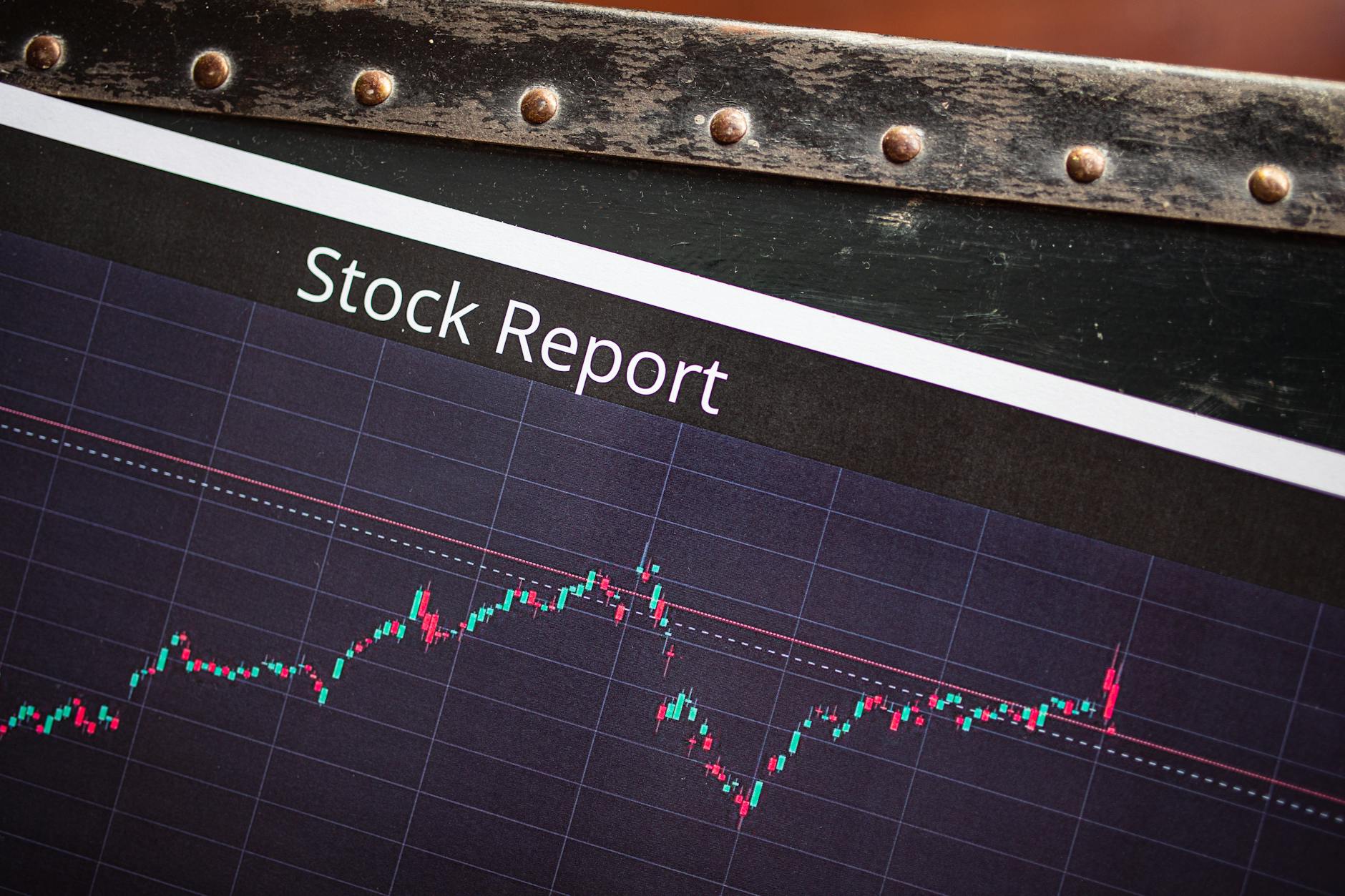
Pokemon cards trade on a standardized marketplace with transparent pricing. When you hold a PSA-graded card, buyers know its exact condition and rarity. Price discovery happens across thousands of sales—eBay auctions, specialized dealer networks, and grading house sales data all feed into market awareness. Action figures lack this infrastructure. Most figure sales happen through independent auctions, private sales, or specialized marketplaces with fragmented pricing. One collector might pay $1,000 for a vintage figure; another might get $400 for the same piece months later. This liquidity gap matters because it affects your exit strategy.
Selling a Pokemon card can take days or weeks if you price it competitively. Selling an action figure might take months. The grading infrastructure adds another layer. When Pokemon cards arrive at PSA (Professional Sports Authenticator) or BGS, they receive a numerical grade from 1 to 10. A card graded PSA 9 of the same card might cost around $800, while a PSA 10 of that identical card costs nearly $2,500. The 0.1 grade difference creates a massive value premium, but it’s transparent and reproducible. Action figures have no equivalent system. Condition is subjective—one seller’s “near mint” is another’s “excellent.” This uncertainty suppresses prices and makes action figures riskier for investors seeking reliable value appreciation.
Grading Systems and Condition Premiums: Why Standardization Matters
Pokemon cards benefit from objective, independent grading that creates predictable value tiers. A PSA 10 Blastoise from the 1999 base set is worth exponentially more than a PSA 8 of the same card, and that premium is consistent across the market because collectors understand what the grade means. This standardization allows serious investors to build portfolios with confidence—you know exactly what you own and what it’s worth. Action figure condition assessment remains largely subjective. A figure described as “played with once” could mean different things to different sellers. Loose figures (without original packaging) lose 50-75% of their value compared to mint-in-box examples, but the boundary between conditions is fuzzy and debatable.
The lack of standardization in action figures creates a hidden tax on investment. If you buy ten vintage Star Wars figures as an investment, you might struggle to sell more than three of them at your target price because buyers disagree about condition. With Pokemon cards, you can list fifty graded examples with confidence that the market understands the value proposition. The grading system also reduces the “character risk” problem unique to action figures. A figure’s value is tied to condition and rarity, but also to broader perceptions of the character—if a franchise falls out of favor, associated action figures can crater in value. Pokemon has proven immune to this kind of collapse over three decades.

Vintage Scarcity and Supply Dynamics: The Pokemon Advantage
Wizards of the Coast stopped producing Pokemon cards before 2003, and finding sealed booster boxes from 1999-2002 is increasingly difficult. Every mint-condition card in circulation represents finite supply—it can’t be reprinted, and damaged copies disappear permanently. Action figure scarcity exists too, but it’s less absolute. Old Star Wars figures are rare, but Kenner produced them in massive volumes. Companies are still manufacturing action figures today, sometimes reissuing characters from decades past. This means the supply of “vintage” figures continuously gets diluted by new variants and reproduction runs. A collector who purchased a sealed Pokemon base set booster box in 2004 owned a piece of finite inventory.
That supply edge created the 3,821% return. An action figure collector faces a different scenario—production runs can restart, remakes blur originality distinctions, and supply isn’t as constrained. The Pokemon 30th anniversary celebration, which began January 30, 2026, demonstrates this scarcity dynamic in real time. Historical data from the 25th anniversary showed special releases experienced 40-60% value surges. The current 30th anniversary is driving sustained demand across product categories, which is pushing investment returns higher even as the broader market remains uncertain about other collectibles. Meanwhile, a major Pokemon card sale in February 2026 reached $16.5 million, reinforcing collectible cards as a genuine asset class. No action figure single sale approaches that magnitude, and it’s unlikely to in the foreseeable future because no single action figure commands the investment focus that top-tier Pokemon cards do.
Character Risk and Reputation Resilience: Why Pokemon Wins Long-Term
Action figures tie value to specific celebrities, athletes, or entertainment franchises. A collectible figure of a disgraced athlete loses value immediately. An action figure based on a movie franchise that becomes culturally controversial can crater overnight. Pokemon characters lack this vulnerability. A Charizard card is valuable because of the character’s role in the 1999 trading card game, its visual appeal, and its age. The character can’t become unpopular in a way that affects its collectible status. Pikachu has been a cultural icon for thirty years without controversy.
This character stability insulates Pokemon investments from reputation-driven devaluation in ways action figures cannot match. The collectible industry learned this lesson painfully. Licensed action figures tied to celebrities, athletes, or franchises face constant valuation risk. A figure based on a canceled franchise loses 30-50% of its value when the franchise dies. Pokemon has no equivalent risk. The franchise could produce new cards, new games, or new merchandise that reduces the relative scarcity of vintage items—but it can’t un-invent the original characters or make 1999 base set cards controversial. This structural safety makes Pokemon a more predictable long-term store of value than action figures, where character reputation and franchise health directly impact collectible worth.
Market Growth Projections: The Numbers Point to Pokemon Cards
The Pokemon card market is projected to grow from $52.1 billion in 2026 to $90.2 billion by 2034, representing a 7.1% compound annual growth rate. That sustained growth reflects aging collectors with more purchasing power, institutional interest in alternative assets, and new collectors entering the hobby every year. The action figure market is growing too—from $11.97 billion in 2026 to $19.49 billion by 2032—but at a slower projected pace and from a smaller base. More importantly, Pokemon card growth is driven by investment demand, while action figure growth remains primarily hobby-driven.
The Q1 2026 spending total—$450 million on Pokemon cards in three months—illustrates the investment thesis. That’s not casual collecting; that’s institutional money, serious collectors, and investment portfolios rotating into Pokemon. No single quarter of action figure spending approaches that magnitude because action figures lack the investment infrastructure that attracts serious capital. The Card Ladder Pokemon Index climbing 116% over the past year shows that buyer demand is accelerating, not declining. Action figures show steady but modest growth, without the explosive appreciation that draws new investors into the market.
The Outlook: Why Pokemon Cards Will Continue Outperforming Action Figures
The next decade will likely widen the gap between Pokemon card investments and action figure collectibles. Pokemon has achieved critical mass as an asset class—it has transparent pricing, grading standards, dedicated investment platforms, and a global collector base measured in millions. Action figures remain niche collectibles tied to nostalgia, fan passion, and individual franchise success. As more institutional investors discover Pokemon cards and alternative assets become mainstream portfolio components, demand will continue pushing vintage card prices higher. Action figures will appreciate more slowly because they lack the same infrastructure and investment momentum.
The 30th anniversary catalyst will likely drive continued appreciation through 2027, with special releases and vintage reprints creating fresh demand. Historical patterns suggest this momentum will persist for 18-24 months, providing a window for investors to build positions in undervalued vintage cards. Action figures have no equivalent catalyst on the horizon. The industry will continue producing new figures, new characters, and new lines—which distributes collector attention and purchasing power across a fragmented marketplace. Pokemon cards benefit from scarcity; action figures are competing against continuous supply.
Conclusion
Pokemon cards outperform action figures as investments because they deliver superior returns (3,821% since 2004), benefit from standardized grading and transparent pricing, and enjoy structural scarcity that increases over time. The market has recognized this advantage, pouring $450 million into Pokemon cards in Q1 2026 alone and projecting growth to $90.2 billion by 2034. Action figures appreciate steadily but lack the investment infrastructure, character stability, and supply constraints that drive explosive Pokemon card growth. Even high-performing action figure sales and the 300% markups achieved by top-tier collectibles pale in comparison to the percentage returns available in vintage Pokemon cards.
If you’re choosing between Pokemon cards and action figures as an investment, the data is clear: Pokemon cards are the superior asset. They offer better liquidity, more predictable valuation, lower character risk, and stronger market momentum. Action figures remain a valid collectible for fans and hobbyists, but as a pure investment vehicle, they cannot match the returns or the structural advantages of Pokemon trading cards. For serious collectors looking to build wealth through vintage inventory, sealed boxes from 1999-2002, and graded cards approaching PSA 10, the choice is obvious.
You Might Also Like
- Why Pokemon Cards Are a Better Investment Than YouTube Channels
- Why Pokemon Cards Are a Better Investment Than Websites
- Why Pokemon Cards Are a Better Investment Than Treasury Inflation Protected Securities