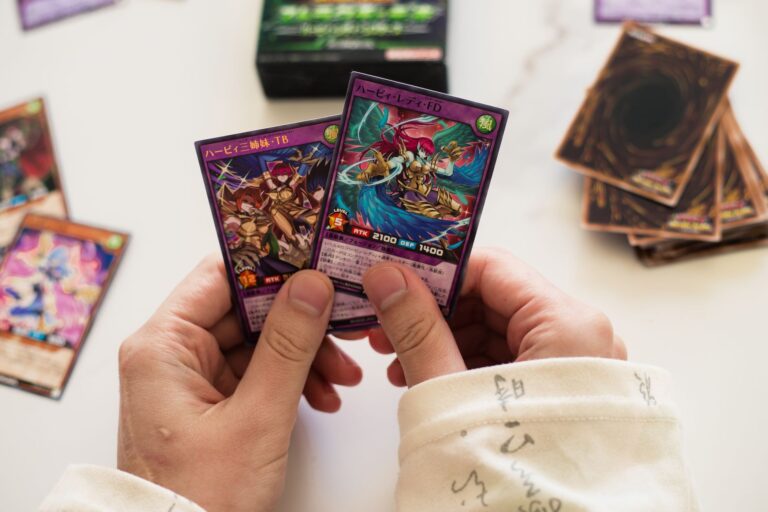
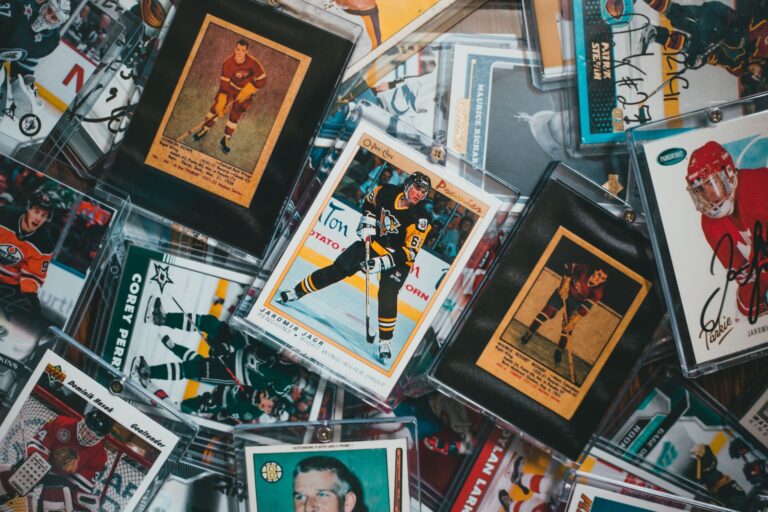
New Pokémon card collectors make a surprisingly consistent set of mistakes that cost them money, expose them to fraud, and damage cards before they ever reach a collector’s display case. These errors fall into predictable patterns: buying counterfeit cards without recognizing the difference, storing cards in conditions that permanently destroy their value, overestimating what common cards are worth, and failing to understand grading standards. Many beginners spend hundreds on collections that aren’t what they think they are, or discover too late that their cards have warped beyond repair.
A collector who paid $150 for what they believed was a first-edition holographic Charizard might be holding a convincing counterfeit worth nothing, while another collector who stored their vintage cards in a damp basement has watched them warp into unsellable condition. These mistakes are entirely preventable with basic knowledge. The good news is that most of these errors are learned behaviors, not inherent to the hobby. Understanding what’s common, what’s real, and how condition affects value transforms a collector from someone vulnerable to scams into someone who builds genuine collections and makes informed purchases.
Table of Contents
- How Counterfeit Cards Flood the Market and How to Spot Them
- Storage Conditions That Irreversibly Damage Card Value
- Overestimating Card Value and the Vast Majority of Cards Worth Almost Nothing
- Not Understanding First-Edition Status and Print Variations
- Buying Without Authentication and Misunderstanding Grading
- Chasing Misprints Without Understanding Rarity and Demand
- Building a Smart Collection Instead of Chasing Quick Profit
- Conclusion
How Counterfeit Cards Flood the Market and How to Spot Them
The counterfeit Pokémon card market is thriving, with at least 477 reported scam cases since October 2025 totaling at least $958,000 in losses according to security research. new collectors are the primary target because they lack the experience to distinguish real cards from sophisticated fakes. The counterfeits being produced today are not crude forgeries—they include correct artwork, fonts, and holographic patterns that fool casual buyers. What separates a genuine card from a counterfeit is the layered structure that gives real cards their weight, flexibility, and feel. Genuine Pokémon cards have 3-4 layers with a black middle layer that acts as the structural foundation.
When you bend a real card slightly, it flexes and returns to shape. Counterfeit cards either feel papery and flimsy or overly stiff and plasticy because they lack this critical middle layer. You can also check the edge of a card—if you look at the side profile, you should see distinct layers. A fake card will appear uniform in color all the way through. Beyond the physical structure, genuine cards have precise text alignment, crisp edges, and specific weight. If you’re buying online, this is where most new collectors get burned: they can’t physically inspect the card before purchase, and once they discover the counterfeit, they’ve already wired money to a scammer who disappears.

Storage Conditions That Irreversibly Damage Card Value
How you store your cards matters more than most new collectors realize, and the damage from improper storage cannot be reversed without further degradation. Pokémon cards require specific environmental conditions to remain in collectible state: humidity between 45-55% and temperature around 65-70°F. These are not suggestions—they’re minimums for preservation. Humidity above or below this range causes the cardboard layers to warp, swell, or shrink, and once a card warps, that damage is permanent. A PSA 10 card stored in humid conditions will warp, making it unsellable at high grades, and attempting to flatten it or repair it damages it further.
Most new collectors store cards in places that seem reasonable but are actually hostile to preservation: bedroom closets near outside walls, basements (notorious for humidity fluctuations), garage shelves, or attics where temperature swings dramatically. One week of 70% humidity exposure can cause irreversible warping. Proper storage requires acid-free sleeves, top loaders or binders, and ideally a climate-controlled storage space or investment in a dehumidifier. The cheapest solution—a plastic storage bin in a basement—is often the most expensive in terms of card damage. Temperature consistency matters nearly as much as humidity: cards in an attic that swings from 50°F in winter to 90°F in summer experience constant expansion and contraction, which stresses the layers and can separate them over time.
Overestimating Card Value and the Vast Majority of Cards Worth Almost Nothing
This mistake catches nearly every new collector: you inherit or find a stack of Pokémon cards from the 1990s or early 2000s and assume they’re valuable. The reality is sobering. The vast majority of cards—even from the vintage era—are worth only a few dollars unless they’re top-graded or have unique misprints. A non-holo common card from Base Set is worth less than a dollar. Even holographic cards from popular sets are mass-produced and common, which keeps their value low. The only cards that command significant prices are those with specific characteristics: first-edition status, exceptional condition (PSA 9 or 10), or genuine, unique printing errors.
Condition dramatically amplifies this. A PSA 6 graded Charizard might be worth 70% less than a PSA 10 version of the same card. This isn’t a minor difference—it’s the difference between a $500 card and a $1,500 card, or between a $50 card and a $150 card depending on which era we’re discussing. New collectors often submit cards for grading expecting high marks, only to receive a PSA 6 or 7 because of slight wear, centering issues, or corner rounding that they didn’t notice. The grading fee ($20-$150 depending on the service) becomes an expense that eats into any profit. If you’re considering grading a card, research comparable sales first. A card worth $30 ungraded that costs $50 to grade is not a smart investment.
Not Understanding First-Edition Status and Print Variations
First-edition Pokémon cards, particularly shadowless and holographic versions, consistently command premium prices. A first-edition holographic card can be worth 5-10 times more than a unlimited print version of the same card. New collectors who don’t check for first-edition status on their cards are sitting on potential value they don’t recognize, or they’re chasing cards they’ve been told are valuable without understanding why. The first edition stamp appears on early print runs; unlimited and later prints lack this stamp. The shadowless era (cards with no drop shadow behind the Pokémon) only applies to Base Set and is a separate premium marker from first-edition status.
The mistake here isn’t always obvious. Some new collectors assume all old cards are valuable and don’t bother checking condition or print status. Others become obsessed with finding first-edition versions and overpay online for cards that aren’t actually first-edition, or they buy from sellers who misrepresent condition or print status. Verifying these details requires checking the card in hand (which is why online purchases are risky) or relying on grading services like PSA, which authenticate the card, assign a grade, and verify its status. The investment in grading makes sense for cards that might be first-edition or shadowless; it doesn’t make sense for common unlimited prints that are worth $2 regardless of grade.
Buying Without Authentication and Misunderstanding Grading
Before you spend significant money on a card, you need to verify it’s authentic and understand what its current grade and value actually are. New collectors often buy from online marketplaces, social media, or even local card shops without requesting authentication or return policies. By the time they realize a card is counterfeit or misrepresented, they’ve either lost the money or been refunded after weeks of dispute. For high-value purchases—anything over $100—authentication services exist and should be used. PSA, Beckett, and CGC grade and authenticate cards, which gives you a third-party verification of authenticity and condition.
The grading misconception is equally common: new collectors assume a card’s condition is objective and universal. It’s not. Different grading services use slightly different standards, and a card graded PSA 8 by one service might be graded 7.5 or 8.5 by another. The grade on the slab is what matters for resale—a PSA 8 card sells for the PSA 8 price, regardless of what you subjectively think it should be. Ungraded cards are harder to sell and often command less than graded cards of the same condition because buyers can’t verify the condition without opening the slab (which is destructive). The safest approach for expensive cards is authentication and grading before purchase, or purchase from reputable dealers with explicit return guarantees.

Chasing Misprints Without Understanding Rarity and Demand
Minor printing errors—typos, slight misalignments, printing smudges—are common across all Pokémon card sets. Most are worth $5-10, if anything. New collectors often believe they’ve found a valuable misprint and hold onto a common card for years expecting it to sell for hundreds. The reality is that only unique, recognizable errors with documented demand command substantially higher prices. A card with a visible typo in the card’s text might be worth $8 instead of $2, but it’s not a treasure.
A card with a unique color shift or a dramatic misalignment might be worth $50-$200 depending on how recognizable and documented it is. The way to evaluate a misprint’s actual value is to search recent sold listings on platforms like eBay or TCGPlayer. If you can’t find any recent sales of similar misprints, the card likely has no demand and no value beyond its regular card price. Misprints are niche—only collectors hunting specific errors seek them out. Holding onto a box of common misprints hoping one becomes valuable is a waste of storage space and time.
Building a Smart Collection Instead of Chasing Quick Profit
The most successful new collectors approach their hobby with realistic expectations: they’re building a collection because they enjoy it, not because they expect to flip cards for profit. This mindset protects against the major mistakes. If you’re buying cards you genuinely want to own, you’re less likely to overpay for misrepresented cards, overstress about condition, or chase cards that aren’t actually valuable.
Buying from reputable dealers, protecting your cards with proper storage, and slowly learning grading standards becomes a natural extension of the hobby rather than a frustrating series of losses. The hobby does offer real value—some cards do appreciate, first-edition and shadowless cards hold value, and building a complete set of a particular era has inherent appeal. But this value comes from patience, knowledge, and authentic cards in legitimate conditions, not from luck or speculation. New collectors who survive their first year in the hobby are usually those who made one or two expensive mistakes, learned from them, and adjusted their approach.
Conclusion
The biggest mistakes new Pokémon card collectors make stem from three core issues: not knowing how to verify authenticity, not understanding how storage and condition affect value, and overestimating what common cards are worth. Counterfeit cards flood the market, proper storage requires specific humidity and temperature conditions, and most cards have minimal value unless they’re first-edition, extremely high-graded, or possess genuinely rare attributes. The financial exposure is real—collectors have lost nearly a million dollars to counterfeit scams in the past year alone—but the exposure is also entirely preventable through basic knowledge.
Start by learning how to verify authenticity, invest in proper storage, research card values before purchasing, and consider grading for high-value cards. Build your collection slowly, buy from reputable sources, and treat the hobby as a long-term pursuit rather than a path to quick profit. The collectors who thrive are those who genuinely enjoy the cards they own and understand the market they’re participating in.