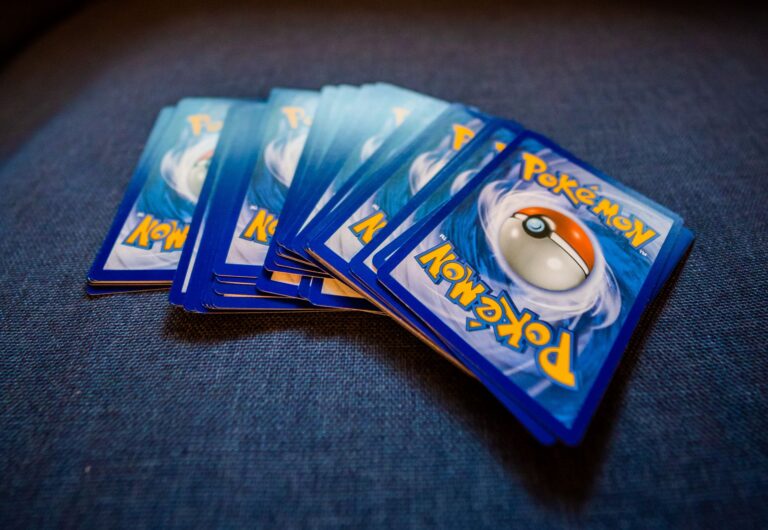
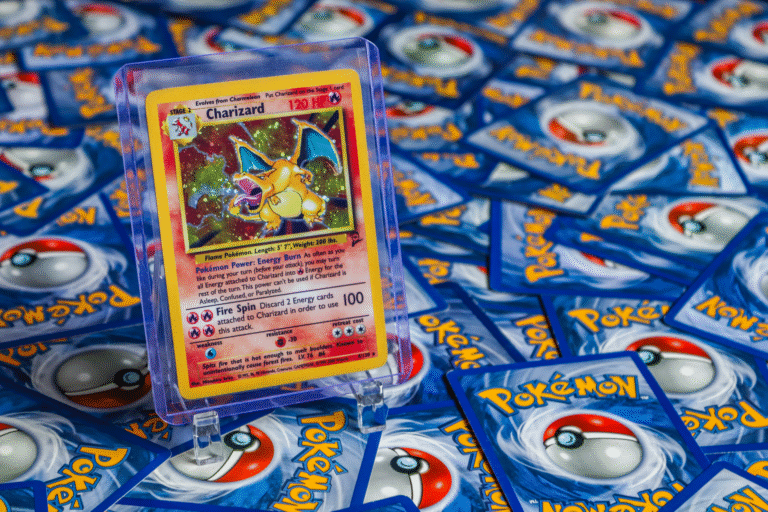
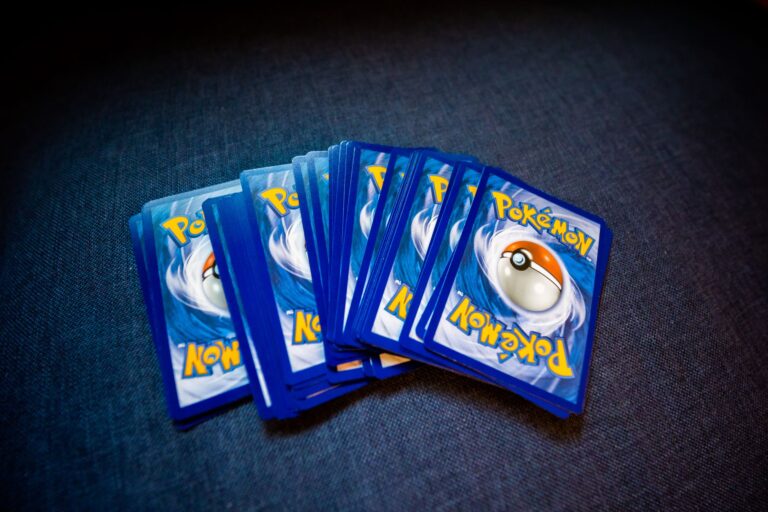
Korean vintage Base Set cards remain surprisingly affordable in 2026 because the regional market operates under fundamentally different economic conditions than English and Japanese counterparts. A Korean Charizard ex #201, for instance, carries a projected value of $170-200 in 2026, whereas comparable English versions command significantly higher prices in the same condition. The reason is straightforward: Korean cards consistently fetch 50-60% of comparable Japanese singles’ value due to lower manufacturing costs, smaller regional demand, and slower price appreciation despite explosive trading volume growth. Even with trading volumes surging 5,625% between January and April 2026, Korean vintage cards have maintained their historical pricing advantage.
Korean booster boxes average $30-40 compared to Japanese counterparts at $70-90 or more—a roughly 40% discount that has persisted even as interest in Korean cards has accelerated dramatically. This gap exists because Daewon, the regional Korean distributor, operates under different licensing agreements and manufacturing cost models than The Pokémon Company’s Western operations, resulting in reduced royalty structures and lower overhead that get passed down the supply chain. The affordability puzzle becomes even clearer when you examine graded card values. PSA 10 graded Korean cards average around $270, while comparable English graded cards in the same condition often exceed $400. This consistent pricing parity reflects a fundamental reality of the Korean market: despite recent enthusiasm, the smaller regional collector base and limited global demand mean Korean cards appreciate more slowly than Japanese and English equivalents, keeping entry points lower for collectors seeking vintage cards on a budget.
Table of Contents
- What Makes Korean Base Set Cards 40% Cheaper Than Japanese Alternatives?
- The Trading Volume Explosion That Didn’t Spike Korean Vintage Prices
- PSA 10 Graded Korean Cards vs. English Equivalents—The $130 Value Gap
- Why Korean Collectors Are Building Portfolios, Not Treating Cards as Investments
- Authentication and Quality Concerns with Korean Vintage Cards
- The Korean Base Set Market’s Unique Rarity Dynamics
- Where Korean Vintage Cards Are Heading in 2026 and Beyond
- Conclusion
What Makes Korean Base Set Cards 40% Cheaper Than Japanese Alternatives?
The price difference between Korean, Japanese, and English vintage cards stems from licensing and manufacturing economics rather than card quality or authenticity. Daewon, the official Korean distributor, negotiates licensing agreements with different royalty structures than The Pokémon Company’s Western distribution partners. These lower royalty rates translate directly into reduced manufacturing costs—less expensive paper sourcing, simpler packaging, and lower regulatory compliance expenses specific to Korean markets. When production costs drop, wholesale prices drop, which means booster boxes that would cost $80 in Japan might retail for $35 in Korea. The manufacturing difference also reflects regional market expectations. Korean manufacturers optimize for a smaller, more price-sensitive collector base.
This means fewer printing runs, less aggressive marketing spend, and streamlined distribution networks compared to the massive infrastructure supporting English and Japanese markets. The result is predictable: Korean boxes consistently undercut Japanese versions by 40%, and singles follow a similar 50-60% value ratio. A Korean Blastoise that costs $40 might have a Japanese equivalent priced at $70-80, not because the Korean version is inferior, but because the entire supply chain operates on narrower margins and lower demand expectations. This structural affordability advantage has remained stable even after the 5,625% trading volume surge in early 2026. Despite increased collector interest, Korean cards haven’t experienced the same percentage price increases as Japanese or English variants because the regional market hasn’t consolidated around investment-grade scarcity the way Western markets have. Korean collectors are still primarily focused on playable card acquisition and casual collecting rather than treating cards exclusively as alternative assets.

The Trading Volume Explosion That Didn’t Spike Korean Vintage Prices
The Korean trading card market experienced a remarkable transformation in early 2026, with trading volumes jumping 5,625% from January through April compared to the same period in 2025. Yet despite this explosion, Korean vintage base Set cards have remained surprisingly stable in price, increasing at the modest 5-10% annual rate typical of the broader TCG market rather than spiking dramatically. This disconnect reveals an important limitation: volume growth doesn’t automatically translate to price appreciation when the supply chain can accommodate increased demand. The reason is supply elasticity. As Korean collector interest accelerated, Daewon increased production and distribution, making previously hard-to-find Korean booster boxes more accessible.
Prices remained anchored to their historical discount levels because new supply reached the market faster than it could in more consolidated Western markets. This is also a warning for collectors: if you’ve been waiting for Korean prices to surge before selling your collection, recent history suggests that won’t happen quickly. Even with a 5,625% volume increase, Korean Charizard ex #201 remained in the $170-200 range rather than climbing to $300+, the trajectory you might see for equivalent Japanese cards. Another limitation worth noting is that this volume surge is concentrated primarily in lower-grade and raw cards. PSA 10 graded Korean cards averaging $270 have appreciated more modestly than heavily played or ungraded versions, because certification costs eat into margins for lower-value cards. Korean collectors are more likely to buy raw vintage cards than pursue expensive grading, which means the certified card market remains smaller and less prone to speculative price increases.
PSA 10 Graded Korean Cards vs. English Equivalents—The $130 Value Gap
When you compare graded vintage cards side by side, the affordability advantage becomes concrete and measurable. A PSA 10 graded Korean Blastoise Base Set card typically trades around $270, while the same card in English PSA 10 condition regularly exceeds $400—sometimes climbing to $450 depending on the specific card number and market moment. That $130-180 gap represents a permanent structural discount that has persisted across multiple market cycles and shows no signs of closing. The gap exists because English and japanese graded vintage cards are treated as premium collectibles with established provenance narratives. Western collectors have spent decades building the grading infrastructure, authentication expertise, and collector mythology around certain cards. Korean cards, by contrast, are still establishing their authentication reputation in international markets.
Collectors outside Korea view Korean vintage cards as affordable alternatives rather than collector’s editions in their own right. This means a Korean Charizard ex #201 in PSA 10 condition commands respect for condition, but not the premium narrative that drives English versions above $400. This discount does create an interesting opportunity for budget-conscious collectors, but it comes with a tradeoff: liquidity. While a PSA 10 English Base Set card will find a buyer within days on major marketplaces, the same Korean card might take weeks to sell, even at the lower $270 price. If you’re buying Korean graded cards as a long-term hold, the affordability is genuine. If you’re looking to flip cards quickly, Korean versions require more patience and might be better purchased raw.
Why Korean Collectors Are Building Portfolios, Not Treating Cards as Investments
A crucial distinction emerged from the 2026 trading volume data: Korean Pokémon card purchases surged 2,532% by sheer rarity interest, but this growth has driven affordable portfolio building rather than speculative investment behavior. Korean collectors are buying Korean vintage cards because they’re accessible at reasonable prices—not because they’re betting on future appreciation. This collector-focused demand is precisely what’s keeping prices stable and affordable, since the market isn’t driven by flip-focused investors looking for quick returns. Compare this to Western markets, where vintage Base Set card purchases are often explicitly positioned as alternative asset class investments. When collectors buy with appreciation expectations, prices climb faster and volatility increases. Korean buyers, by contrast, are primarily motivated by collecting completion and playability concerns. This creates a buyer advantage for patient collectors: you can build a complete Korean Base Set around the current 5-10% annual appreciation rate without competing against speculators or investment funds.
A $35 Korean booster box isn’t being purchased by someone betting it’ll reach $60 in three years; it’s being purchased by someone who wants to open it or add it to a sealed collection. The tradeoff is that this stability cuts both ways. If you’re hoping Korean vintage cards will appreciate dramatically once Western collectors discover them, the current market structure suggests that’s unlikely. The affordability exists partly because there’s less speculative pressure pushing prices upward. Daewon’s willingness to maintain production and pricing discipline has kept the market accessible rather than transforming Korean cards into a hot commodity. For collectors seeking value and stability, this is ideal. For investors betting on moonshot appreciation, Korean cards remain the less exciting play compared to Japanese or English variants.
Authentication and Quality Concerns with Korean Vintage Cards
One limitation collectors frequently encounter is reduced authentication visibility in the secondary market. Korean vintage Base Set cards from the late 1990s and early 2000s can be harder to verify through traditional Western authentication channels, which means PSA and BGS grading services see fewer Korean cards submitted relative to English and Japanese versions. This creates a vicious cycle: fewer graded comparables make authentication harder, which reduces grading submissions, which limits market data. For a $270 PSA 10 Korean card, this authentication gap is manageable since professional grading is visible. For raw Korean vintage cards, you’re relying more heavily on seller reputation and condition assessment without institutional verification. There’s also a warning about condition interpretation standards.
Korean vintage cards may have different storage and handling norms compared to Western traditions, which can affect how condition is assessed. A card described as “lightly played” by a Korean seller might appear slightly more worn than equivalent Western grading due to different handling expectations. Conversely, some Korean vintage cards have been stored more carefully in controlled conditions, making them exceptionally well-preserved. The point is: authentication and condition assessment for raw Korean vintage cards requires more diligence than buying certified English or Japanese equivalents, even at the lower $270 PSA price point. This doesn’t mean Korean vintage cards are risky purchases—Daewon’s official distribution made counterfeiting economically impractical during the original manufacturing era. It simply means the authentication infrastructure is thinner, so you should apply additional scrutiny when buying expensive raw cards from unfamiliar sellers, regardless of the affordability advantage.

The Korean Base Set Market’s Unique Rarity Dynamics
Korean Base Set cards have a different rarity profile than English and Japanese versions, which creates interesting collecting dynamics. Certain cards that are common in English sets were produced in smaller quantities for the Korean market, making them locally harder to find but still cheaper than their English equivalents. A Korean Base Set Pikachu Base Set #58, for example, might be harder to locate than an English version despite costing significantly less when found.
This rarity-within-affordability dynamic has attracted serious collectors looking for complete sets and unusual cards. The 151 set represented a major shift in Korean production volumes, meaning vintage cards from the original Base Set era have genuinely limited supply compared to more recent releases. Korean Charizard ex #201, mentioned at $170-200, appeals to collectors specifically because it combines reasonable pricing with genuine vintage status in the Korean market. This pricing makes it accessible to broader collector demographics compared to English or Japanese equivalents, which has contributed to the 2026 trading volume surge without proportional price inflation.
Where Korean Vintage Cards Are Heading in 2026 and Beyond
The current pricing structure suggests Korean vintage Base Set cards will continue appreciating at the modest 5-10% annual rate consistent with broader TCG trends, rather than experiencing the acceleration you might see in English or Japanese markets. This stable outlook makes Korean vintage cards particularly attractive for collectors prioritizing long-term hold value without volatility. As the global Pokémon collecting community matures and international shipping becomes more normalized, Korean cards may eventually command higher prices simply from increased accessibility. For now, though, the affordability window remains open.
The key variable is whether Daewon expands certification grading partnerships with PSA and BGS or develops regional authentication infrastructure. If Korean cards gain comparable grading coverage, authentication visibility, and secondary market liquidity to Japanese cards, prices could gradually approach the 50-60% discount from English rather than maintaining full independence. This wouldn’t eliminate affordability—Korean cards would remain cheaper—but it could close some of the current price gap. Collectors timing purchases around this potential shift should recognize that early graded Korean cards might appreciate more substantially once infrastructure improves, but current raw and newly graded cards may see more modest growth as competition increases.
Conclusion
Korean vintage Base Set cards remain affordable in 2026 because structural economic factors—lower manufacturing costs, smaller regional demand, and slower speculative investment—keep prices stable relative to English and Japanese equivalents. A Korean Charizard ex #201 at $170-200 or a PSA 10 Korean card at $270 represents genuine value compared to Western alternatives at $400+, and this discount has proven durable even as trading volumes surged 5,625% in early 2026. The affordability isn’t temporary or dependent on low awareness; it reflects consistent regional market conditions that are unlikely to change dramatically in the near term.
For collectors seeking vintage Base Set cards at accessible prices with reasonable appreciation expectations, Korean cards offer a legitimate alternative to the higher price points demanded by English and Japanese markets. The tradeoff is reduced authentication infrastructure, less speculative upside, and potentially longer selling timelines for rare graded examples. Evaluate your collecting goals—stability and affordability versus potential appreciation and liquidity—and Korean vintage cards make sense if the former outweighs the latter.