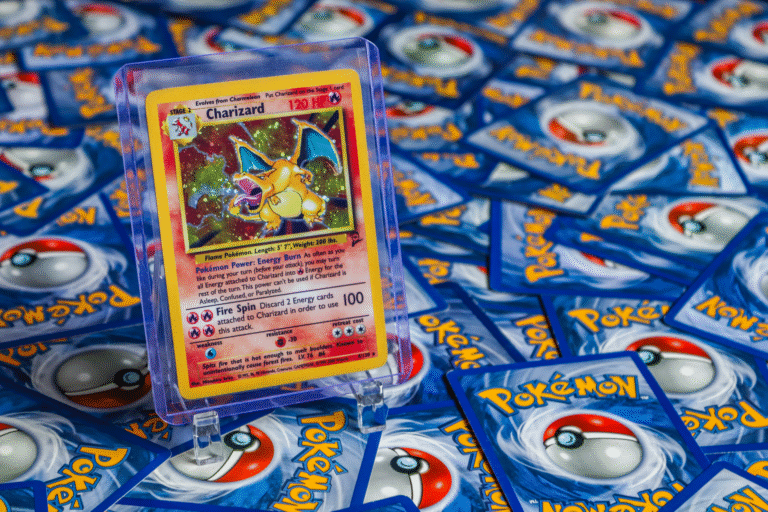
Base Set Magikarp cards remain surprisingly affordable in 2025 because of one simple fact: unlimited edition printings flooded the market decades ago, and they continue to satisfy collector demand without commanding premium prices. You can still pick up an ungraded unlimited copy for just a few dollars or less, making it one of the most accessible cards from the original 1999 release. This accessibility hasn’t changed significantly since late 2025 because supply far exceeds demand for non-first-edition versions—the market has stabilized around these realistic values rather than inflating with nostalgia-driven hype.
The key distinction that explains affordability is the print run difference between unlimited and first edition versions. While unlimited Magikarp cards remain casual collector fodder priced in the single digits, even the damaged first edition copies start around $12.99, and near-mint graded versions reach approximately $90. This price tier hierarchy reveals why base set Magikarp hasn’t become a precious commodity: the unlimited flood keeps prices grounded.
Table of Contents
- What Makes Unlimited Base Set Magikarp So Cheap Compared to First Edition?
- Print Run Volume and the Unlimited Supply Problem
- How Grading and Condition Affect the Magikarp Market Today
- Should You Buy Now or Wait for Prices to Drop Further?
- Common Pricing Surprises and Market Pitfalls
- The Role of Bulk Lots and Casual Collector Demand
- Late 2025 Market Trends and Forward-Outlook for Magikarp Affordability
- Conclusion
What Makes Unlimited Base Set Magikarp So Cheap Compared to First Edition?
The unlimited edition Magikarp from base Set represents one of the highest-volume printings in Pokemon TCG history. When the Pokemon Company printed unlimited copies starting in 1999, they had no way to predict the card game’s cultural phenomenon status decades later. They simply printed cards to meet retail demand, which meant millions of Magikarp cards entered circulation across the United States and internationally. This massive supply created a buyer’s market that persists today—collectors can still access the card at commodity prices rather than collectible premiums. In direct contrast, first edition printings were intentionally limited. A first edition damaged Magikarp begins at $12.99, while near-mint raw copies sit around $90 according to market data.
The condition and grading matter enormously for first editions because scarcity makes each copy meaningful. An unlimited copy in the same condition might cost a tenth as much. This pricing gap reveals that affordability isn’t accidental—it’s a direct consequence of choosing which version you’re buying. The psychological impact of this two-tier market shouldn’t be underestimated. New collectors often discover that they can own a Base Set card from 1999 for less than a coffee, which democratizes entry into vintage collecting. Meanwhile, players and serious collectors who specifically hunt first editions discover real investment potential. Base Set Magikarp represents the sweet spot where both casual and serious collectors can find something in their budget.
Print Run Volume and the Unlimited Supply Problem
Unlimited edition Base Set cards printed in such extraordinary quantities that they’ve become effectively inexhaustible from a supply perspective. Millions of Magikarp cards exist in circulation, stored in binders, bulk lots, and collection bins across the globe. This isn’t speculation—it’s observable in the pricing structure on platforms like the price guide, which tracks actual sales data. When supply is effectively infinite relative to demand, prices can only decline or stagnate; they rarely spike upward. The major limitation for unlimited Magikarp appreciation is that condition degradation actually increases supply in psychological terms. An unlimited Magikarp in played condition remains identifiable and functional as a card; it still fulfills the basic collector need.
Unlike first editions where each condition tier has distinct value, unlimited copies blur together in the budget tier. A mint unlimited copy might sell for $5, and a moderately played copy might sell for $2—both are accessible, so neither commands collector enthusiasm. One critical warning for buyers: the seemingly infinite supply means unlimited Magikarp will likely never appreciate meaningfully. If you’re purchasing this card expecting it to become valuable in five or ten years, you’re making a speculative error. The card serves a collector function—completing a set, starting a vintage collection affordably—but not an investment function. Price stability at “a few dollars” actually indicates equilibrium has been reached, not a bottom waiting to bounce.
How Grading and Condition Affect the Magikarp Market Today
Condition grading creates a distinct market split within first edition copies that doesn’t exist for unlimited versions. A moderately played first edition Magikarp sold for $250, demonstrating that raw condition matters tremendously when scarcity exists. That same card in heavily damaged condition starts at $12.99—a twenty-fold difference depending on wear. This spread reveals that collectors of first editions actually invest in condition quality because the card’s scarcity justifies the investment in grading or careful storage. Professional grading services like PSA have become gatekeepers for serious first edition collecting. A PSA-graded first edition Magikarp commands premiums that ungraded copies cannot match, because grading provides verified authenticity and condition assurance.
However, the grading cost itself—typically $50 to $150 per card depending on service speed—becomes prohibitive for unlimited copies worth $5. This economic reality ensures that unlimited Magikarp remains ungraded and affordable, perpetuating the two-tier market. The emergence of marketplace platforms tracking real sales (the price guide, TCGPlayer, PokemonWizard) has actually increased transparency around condition-based pricing. Rather than guessing what a card might sell for, collectors now see actual transaction data. This transparency has stabilized prices because artificial scarcity narratives collapse when real supply data is visible. Unlimited Magikarp benefits from this transparency by staying grounded in realistic, modest pricing.

Should You Buy Now or Wait for Prices to Drop Further?
The affordability question for unlimited Base Set Magikarp hinges on whether you’re collecting for completion or speculation. If you want to own a piece of Pokemon TCG history and complete a Base Set collection, buying at the current “few dollars or less” price point makes sense—this represents fair value equilibrium that’s unlikely to change dramatically. Waiting for further price drops on unlimited copies is essentially waiting for something that may not occur; the market has already digested supply-and-demand equilibrium. For first edition versions, the calculation differs significantly. A near-mint first edition at approximately $90 represents a relatively accessible entry point into serious vintage collecting, compared to high-demand cards from the same set that cost hundreds or thousands.
The condition-based price spread (from $12.99 to $90 to $250) offers options for different budgets. A collector willing to accept a damaged or moderately played copy gets first-edition scarcity at a dramatically reduced price—a genuine arbitrage opportunity that late 2025 still offers. The tradeoff worth considering: unlimited Magikarp’s affordability makes it ideal for bulk purchases or set completion, while first edition purchases should be condition-conscious. You’re not choosing between “cheap” and “expensive” in absolute terms; you’re choosing between “collector friendly” (unlimited) and “investment-grade accessible” (first edition). Both positions have merit depending on your collecting goals.
Common Pricing Surprises and Market Pitfalls
One frequent mistake collectors make is conflating card condition with market tier. An unlimited Magikarp in mint condition still costs significantly less than a damaged first edition, because the first edition’s scarcity creates a floor under price regardless of wear. New collectors sometimes expect unlimited mint cards to be worth more than damaged first editions, but the market doesn’t work that way. Scarcity always trumps condition in value hierarchy. Another pitfall is overlooking variant confusion. Base Set Magikarp appears in multiple printings and editions—shadowless, first edition, and unlimited versions exist with subtle differences.
Price variations can seem inexplicable until you understand you’re comparing different printings. Always verify which specific version you’re pricing before making purchase decisions. the price guide’s detailed breakdowns help distinguish these variants, preventing costly mistakes. A final warning: late 2025 pricing data should be treated as a snapshot, not a permanent anchor. While base set Magikarp’s fundamental affordability stems from supply-demand mechanics unlikely to shift, individual sellers occasionally list outliers priced far above market rate. Don’t assume that a single high listing represents true market value—cross-reference multiple platforms like TCGPlayer and PokemonWizard to understand actual trading prices, not aspirational asking prices.
The Role of Bulk Lots and Casual Collector Demand
Base Set Magikarp appears frequently in bulk lots and collection remainders because its low individual value makes it nearly worthless to remove from group purchases. A seller liquidating a 500-card collection might include Magikarp without pricing it separately; it’s just “bulk filler.” This continuous recycling through the secondary market actually reinforces affordability, because bulk availability keeps the card in circulation without concentrated effort to push prices upward. Casual collectors comprise the largest buyer segment for unlimited Magikarp.
These are players who want functional copies for deck building or nostalgic completionists who want a Base Set set without major investment. This demand tier—people willing to pay $5 or less—creates a steady, modest market floor. As long as casual interest exists, unlimited Magikarp will remain affordable. The demand isn’t speculative or investment-driven; it’s utilitarian, which paradoxically stabilizes pricing at modest levels.
Late 2025 Market Trends and Forward-Outlook for Magikarp Affordability
The Pokemon TCG market experienced significant volatility between 2020 and 2024, with nostalgic base set cards driving speculation. However, by late 2025, the market had largely separated speculative demand from genuine collecting interest. Base Set Magikarp’s affordability reflects this maturation; it’s a card people buy because they genuinely want it, not because they expect it to become rare or valuable. This psychological shift toward utility over speculation actually stabilizes prices.
Looking forward, unlimited Base Set Magikarp will likely remain affordable through 2026 and beyond because the fundamentals haven’t changed. Supply remains abundant, scarcity doesn’t exist, and demand stays modest. The only scenario that could meaningfully increase Magikarp prices would involve unexpected first edition scarcity discovery (extremely unlikely given 25+ years of market transparency) or a sudden surge in casual collecting demand. Both scenarios are possible but not probable. For practical purposes, plan on continued affordability.
Conclusion
Base Set Magikarp cards remain affordable in late 2025 because unlimited edition printings created such enormous supply that equilibrium pricing settled at “a few dollars or less.” The market has matured beyond speculation cycles, and prices now reflect genuine collector demand rather than nostalgia-driven hype. First edition versions command higher prices based on scarcity and condition, but even these remain accessible entry points into serious vintage collecting at approximately $90 for near-mint copies.
If you’re building a Base Set collection, the current pricing environment is realistic and fair. Resources like the price guide, TCGPlayer, and PokemonWizard provide hourly price updates, allowing you to track actual transaction data rather than listing speculation. The affordability of Base Set Magikarp isn’t a temporary market anomaly—it’s a fundamental consequence of supply-demand mechanics that should persist indefinitely unless collector sentiment shifts dramatically.