
Japanese Base Set Pokémon cards have experienced a dramatic 1000% price increase since 2023, driven by a perfect storm of limited supply, surging collector demand, and the cards’ superior print quality compared to their English counterparts. A Near Mint Japanese Base Set Charizard that sold for around $1,000-$2,000 in late 2022 now regularly commands $10,000-$15,000 or more, with pristine examples occasionally exceeding $20,000.
This isn’t speculation or hype—it’s a fundamental market correction reflecting genuine scarcity, as Japanese cards from this era were printed in far smaller quantities than English cards, and most surviving examples show significantly better centering and surface quality due to superior Pokémon Company printing standards at the time. The surge represents the intersection of collector preference and pure mathematics: as PSA and other grading companies faced service backlogs and limited submissions, the number of graded Japanese Base Set cards in the market stalled, while demand from investors and serious collectors accelerated. Japanese collectors have always valued these cards more highly domestically, but the past three years saw Western collectors finally recognizing what Japanese enthusiasts knew—that owning a genuinely high-quality vintage Pokémon card meant buying Japanese, not English.
Table of Contents
- What Makes Japanese Base Set Cards Fundamentally Different in Quality and Rarity?
- The Grading Bottleneck That Accelerated Demand for Japanese Cards
- Investment Demand and the Financialization of Collectible Pokemon Cards
- The Role of Celebrity Endorsement and Celebrity Collector Competition
- Market Speculation, Bubble Risk, and Price Correction Warnings
- Japanese Collector Preference and Long-Term Demand Stability
- Future Outlook and Supply Dynamics as the Market Matures
- Conclusion
What Makes Japanese Base Set Cards Fundamentally Different in Quality and Rarity?
Japanese Base Set cards (released as “Base Expansion Pack” in 1996) were produced in dramatically smaller quantities than English Base Set cards released in 1999. Japan’s Pokémon Company ran a more limited initial print run because the TCG was still unproven domestically, whereas English cards flooded the Western market with massive production volumes intended to capitalize on a phenomenon that was already proven. This raw supply difference translates directly to rarity: a Japanese Base Set charizard exists in perhaps one-tenth the quantity of an English Charizard, even accounting for the English card’s popularity among collectors. Beyond rarity, Japanese cards feature superior print quality that immediately separates them from English cards when examined side-by-side.
Japanese cards from this era display sharper text, more vibrant colors, better paper stock, and dramatically superior centering—the alignment of the image and borders on the card. An English Base Set Charizard from a pack is often noticeably off-center, with the image shifted toward one side. A Japanese Base Set Charizard from the same era is typically centered perfectly. This quality difference means that a random Japanese card in Near Mint condition often graded at PSA 8 or higher was manufactured to a standard that produces far fewer lower-grade examples. An English Charizard graded PSA 7 might be visually similar to a Japanese Charizard graded PSA 5, because the English card started lower before grading.

The Grading Bottleneck That Accelerated Demand for Japanese Cards
When PSA faced a service backlog crisis in 2021-2022, the waiting time for submissions stretched to 6-12 months, and the company eventually limited how many cards customers could submit. This created a shortage of newly graded cards entering the market at precisely the moment when collector interest was intensifying. Japanese Base Set cards, which already had fewer graded examples in circulation, became even scarcer on the market because collectors couldn’t get new submissions back quickly. Investors and serious collectors began treating high-grade Japanese cards like a store of value during this period.
However, the grading shortage also created a significant hidden risk: ungraded Japanese cards surged in price to match graded prices, because buyers couldn’t verify quality without a third-party grade. This inflated the prices of raw (ungraded) Japanese Base Set cards, creating a bubble within the bubble. Some sellers bought raw Japanese cards expecting to send them to PSA and sell the resulting graded card at inflated prices, but as PSA service times improved in 2023-2024, many of these raw cards turned out to be lower quality than expected. Buyers who paid premium prices for ungraded cards sometimes discovered their cards were PSA 6 or 7, not the PSA 8-9 they’d assumed based on comparative market prices.
Investment Demand and the Financialization of Collectible Pokemon Cards
Starting in 2021, mainstream financial media began covering Pokémon cards as an alternative investment asset, attracting investors with no personal connection to the hobby. These investors studied market trends, noticed that Japanese cards had appreciated faster than English cards, and began accumulating Japanese Base Set cards as a portfolio diversification play. This shift brought significant new capital into the Japanese card market, but it also fundamentally changed the price dynamics—cards were now being bought based on projected returns, not collector preference. A concrete example: a Japanese Base Set Pikachu graded PSA 9 sold at auction for $15,000 in early 2023, compared to $3,000-$4,000 for the same card in 2021.
Investment interest in this specific card likely drove multiple buyers, each expecting the next buyer to pay even more. This created genuine price momentum, but it also created fragility. When investment interest cools, investors sell, and the market corrects downward because the speculative premium evaporates. The trade-off is that serious collectors benefit from more stable pricing long-term, while speculators benefit from volatility—but no one can predict which environment will dominate.
The Role of Celebrity Endorsement and Celebrity Collector Competition
Logan Paul and other celebrities with large followings began collecting high-end Pokémon cards around 2020-2021, creating visibility that drove mainstream interest. By 2023, celebrity collectors and wealthy investors were competing aggressively for the rarest Japanese cards, driving auction prices upward. When a celebrity posts a photo of their newly acquired Japanese Base Set card on social media, it creates a temporary surge in comparable card prices as followers attempt to buy similar cards.
This celebrity effect has a clear limitation: it drives short-term price spikes but provides no underlying value to the cards themselves. A Japanese Charizard doesn’t become more scarce or better quality because a celebrity owns one—the scarcity and quality were fixed 25+ years ago. Japanese collectors who bought these cards in the late 1990s and early 2000s saw dramatically slower appreciation than Western buyers saw in 2021-2024, because the celebrity effect is a Western phenomenon. For collectors evaluating whether to buy at current prices, celebrity-driven demand creates a tradeoff: you benefit from the visibility and prestige of owning a card that matches celebrity collector interest, but you’re buying at peak visibility rather than relative value.
Market Speculation, Bubble Risk, and Price Correction Warnings
The 1000% increase from 2023 onward represents a significant speculative bubble in several respects. Japanese Base Set cards are now priced at levels that assume continued investment demand and limited supply. If investment interest declines—which happens when speculators realize returns are slowing—selling pressure will increase suddenly. A Japanese Base Set Charizard selling for $15,000 today was worth $2,000 in late 2022, but that doesn’t guarantee it will maintain $10,000-$15,000 if speculative demand reverses.
A critical warning for buyers: prices for Japanese Base Set cards at PSA 7-8 have disconnected from economic fundamentals. A PSA 8 Japanese Charizard now costs roughly the same as a PSA 9 English Charizard, even though the Japanese card is rarer and higher quality. This pricing disconnect exists because speculators are buying Japanese cards assuming prices will continue upward, rather than buying based on comparative value. If the speculative pressure releases, Japanese cards would become dramatically more attractive to actual collectors, but the short-term correction could be sharp—possibly a 20-40% decline over 6-12 months before stabilizing at a new equilibrium.
Japanese Collector Preference and Long-Term Demand Stability
Japanese collectors have consistently preferred Japanese-printed cards since the TCG’s inception, viewing English cards as lower-quality alternatives. This domestic preference provides a genuine floor under Japanese card prices that doesn’t exist for English cards. Even if Western speculative demand collapses, Japanese collectors will continue buying Japanese Base Set cards because that’s the intended regional product.
This regional preference is structural and unlikely to reverse, providing a baseline of stable demand that English cards simply don’t have. A specific example: Japanese Trainers and Supporters from the Base Set have appreciated slower than Charizard and other holos, but they’ve maintained consistent value among Japanese collectors focused on completing Japanese sets. This suggests that Japanese collector demand is sustaining prices across the entire set, not just for the most famous cards. For buyers considering long-term holds, Japanese Base Set cards have inherent demand stability that reduces (but doesn’t eliminate) downside risk compared to English cards.
Future Outlook and Supply Dynamics as the Market Matures
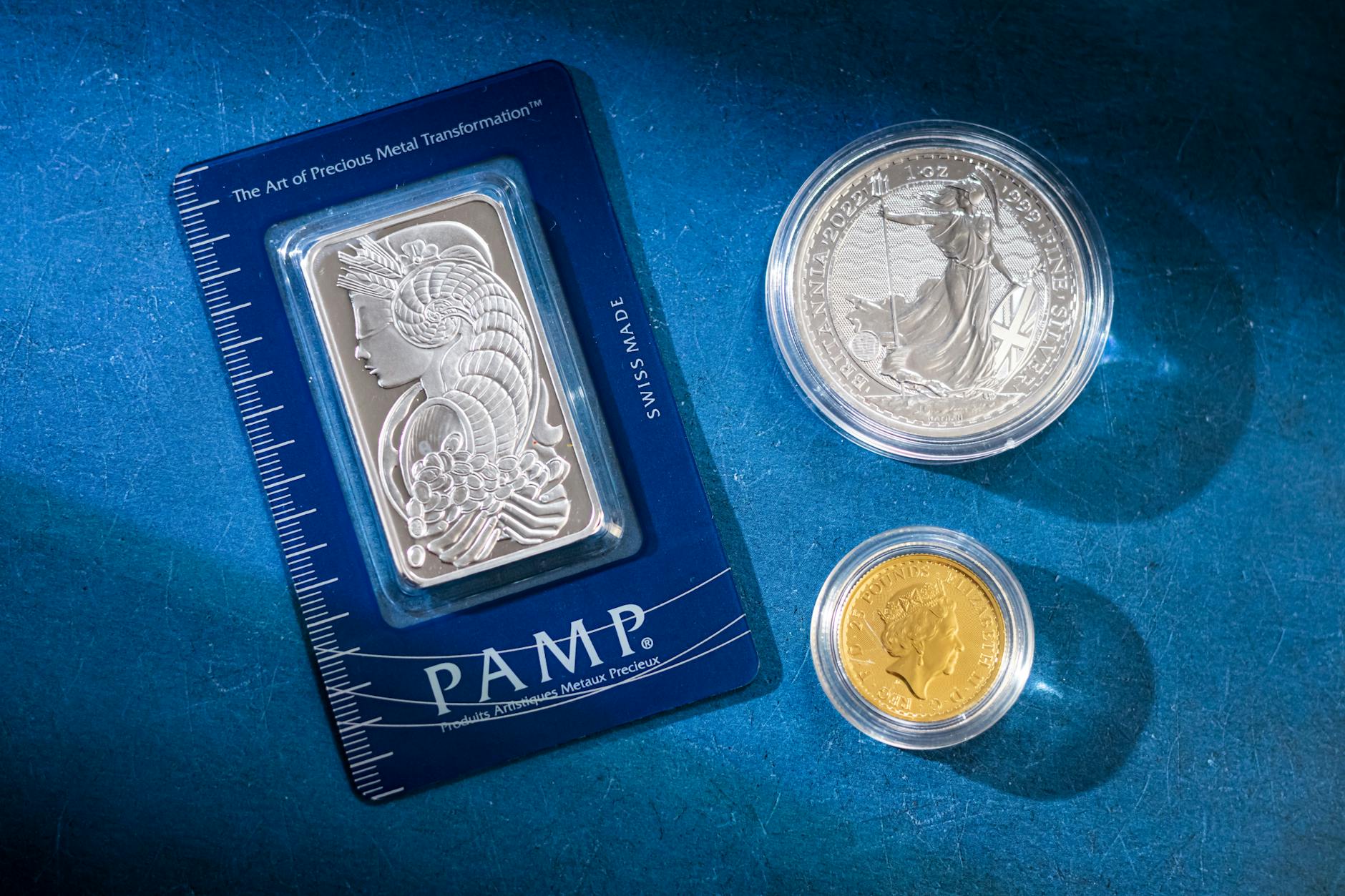
As Japanese card prices stabilize in the $5,000-$20,000 range (depending on grade and card), market psychology will shift from “how high can prices go?” to “what’s the fair value for these cards?” This transition typically results in modest continued appreciation tied to inflation and rising costs of living in Japan and the West, rather than the explosive 1000% gains seen in 2022-2024. The market is likely approaching a maturity phase where Japanese Base Set cards become a recognized investment asset with stable pricing, similar to vintage coins or stamps.
One forward-looking factor to watch: the release of Japanese Pokémon card reprint sets (such as “Shining Star V” and other heritage sets) may create alternative outlets for collectors seeking high-quality Japanese cards at lower price points. These reprints don’t have the original 1996 authenticity of Base Set cards, but they offer superior quality at 5-10% of the price, potentially moderating speculative demand for original Base Set cards as some collectors seek value in reprints instead.
Conclusion
Japanese Base Set Pokémon cards have appreciated nearly 1000% since 2023 due to a convergence of limited supply, superior card quality, investment demand, and speculative momentum. The rarity is genuine—Japanese cards were printed in far smaller quantities than English cards—and the quality superiority is measurable, with better centering and print quality across nearly all examples. However, much of the price increase from 2023-2024 represents speculative premium rather than fundamental value, and buyers should be cautious about entering the market near historical highs.
For collectors evaluating whether to buy Japanese Base Set cards at current prices, the decision hinges on your timeline and risk tolerance. If you’re a 10+ year holder willing to tolerate 20-40% short-term corrections in exchange for owning genuinely scarce, high-quality vintage Pokémon cards, the fundamentals support long-term appreciation. If you’re hoping for continued 20-30% annual returns, you’re buying into speculative expectation rather than scarcity value. The “why” behind the 1000% increase is real, but the “when” of continued appreciation is highly uncertain.
You Might Also Like
- Pokemon Charizard Base Set Japanese Holo Rare #006 PSA 9 Mint
- Who Will Buy Pokémon Base Set Cards When Millennials Are Old?
- Are Pokémon Base Set Cards Valuable Because of Rarity or Emotion?