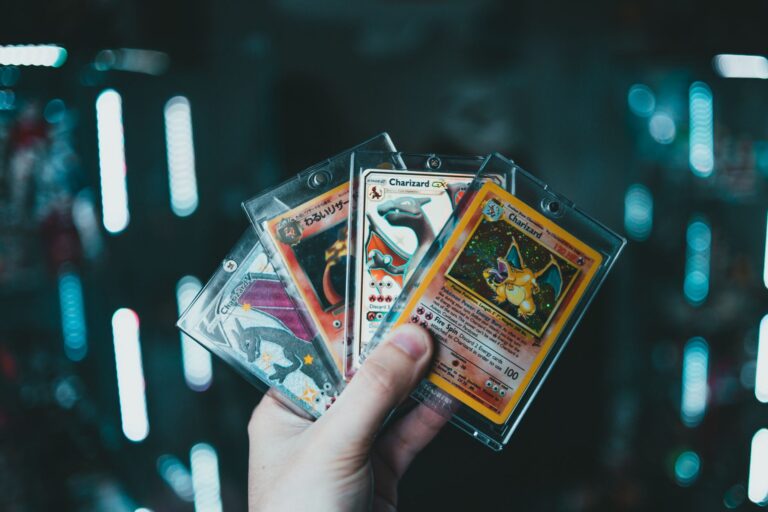
CGC Cards does not officially accept HGA cards for their CrossOver service. As of 2025-2026, CGC’s documented CrossOver program only works with cards previously graded by PSA, Beckett (BGS), and SGC. If you have an HGA 6.5 Miraidon or any other HGA-graded card, you cannot submit it directly to CGC’s CrossOver program in its current holder. This is a significant limitation for collectors who own HGA-graded Pokémon cards and are considering moving them to a more widely recognized grading company.
The reason for this restriction stems from market realities. HGA represents roughly 9% of the card grading market as of 2025, far behind the major graders that CGC prioritizes. Collectors and dealers overwhelmingly prefer PSA, CGC, BGS, and SGC slabs, meaning an HGA 6.5 Miraidon carries substantially less resale value and liquidity than the same card would in other holders. CGC’s selective approach to CrossOver partners reflects this demand imbalance. If you’re holding an HGA 6.5 Miraidon and want a CGC slab, you’ll need to explore alternatives beyond the standard CrossOver route, which we’ll address in detail below.
Table of Contents
- Understanding CGC’s CrossOver Service and Its Limited Partner List
- Why CGC Doesn’t Accept HGA for CrossOver
- How CrossOver Works for Accepted Graders
- The Cost and Fee Reality
- Extraction Risks and Realistic Alternatives
- Choosing Grading Partners and Forward Planning
- What You Should Do Next
- Conclusion
Understanding CGC’s CrossOver Service and Its Limited Partner List
CrossOver services have become a major part of card grading economics. When a collector submits a card that’s already graded by a major competitor, CGC re-evaluates it in their own standards. If CGC believes the card matches or exceeds the original grade, they remove it from the original holder and place it in a CGC slab at no additional cost beyond the submission fee. If CGC grades it lower than the original holder’s assessment, the card comes back in its original case, but the full submission fee is still charged—a meaningful consideration when fees run $50 to $200+ depending on turnaround time. CGC maintains strict control over which graders qualify for this service.
Their official partners are psa, Beckett (BGS), and SGC. These three companies represent the established, liquid market standard. A PSA 8 Pokémon card commands immediate buyer interest and clear pricing data. A BGS 8 has similar recognition. An hga 6.5, by contrast, sits in a far smaller market ecosystem with slower sales velocity and wider price discrepancies between listings. For someone sitting on an HGA 6.5 Miraidon, this creates an immediate problem: there is no streamlined path to get that card into the CGC system through CrossOver, regardless of the specific Pokémon or condition.

Why CGC Doesn’t Accept HGA for CrossOver
The exclusion of HGA from CGC’s CrossOver program isn’t arbitrary—it reflects market demand and collector behavior. HGA entered the Pokémon grading market years after PSA and BGS had already established dominant positions. Despite competitive pricing and some innovative holder designs, HGA never achieved the brand equity or secondary market acceptance that would justify inclusion in CGC’s official programs. Consider the practical resale scenario: a dealer with an HGA 6.5 Miraidon listing it at market rate will typically see slower interest than the same card in a BGS or PSA slab of comparable grade. Buylist prices from major dealers often don’t include HGA at all or offer significantly lower percentages compared to other grades.
This creates a disincentive for CGC to invest resources in CrossOver partnerships with a grader that doesn’t move volume efficiently. CGC’s business model depends on cards flowing through their system regularly; accepting HGA slabs would mean taking on cards from a smaller, less liquid market segment without guaranteed upside. Additionally, HGA’s grading standards have been questioned by segments of the collector community. Some buyers perceive HGA grades as softer or less consistent with PSA or BGS standards, though this perception isn’t universally shared. Regardless, the perception matters for business decisions. CGC prioritizes CrossOver with graders whose standards align closely with their own and whose reputation directly supports CGC’s market positioning.
How CrossOver Works for Accepted Graders
To understand your options, it helps to see how CrossOver functions for the graders CGC does accept. Suppose you had a PSA 6 Miraidon instead. You would submit it to CGC with the CrossOver option indicated. CGC’s graders would evaluate the card using their own standards and holder specifications. If they determine it meets CGC’s 6-grade criteria, it moves to CGC. If they think it’s a 5 or lower by their standards, it returns to you in the original PSA holder, fee charged.
The fee structure is crucial. CrossOver submissions typically run $50 to $200 depending on the service level and expected turnaround. If CGC downgrades your card from a 6 to a 5, you’ve paid that fee for no upgrade. This is a real risk that collectors accept when using CrossOver—it’s not a guarantee of improvement, only an opportunity. The timeline for CrossOver can range from two weeks to several months depending on volume and service tier. During that period, your card is out of your possession and the market. For high-value or liquid cards like popular Miraidon variants, that liquidity loss can itself be costly if prices shift or a buyer opportunity disappears while the card is in grading limbo.

The Cost and Fee Reality
Submitting an HGA card to CGC via CrossOver would ordinarily cost the same as submitting any other graded card through that service. However, since CGC won’t accept HGA slabs through their official CrossOver program, this fee structure is academic for your situation. You’re left with two paths: extract the card and submit it raw, or try a different approach entirely. Extracting a card from an HGA holder costs money and carries risk.
Some card extraction services charge $10 to $30 per card to carefully remove it from the holder, but extraction attempts sometimes cause micro-wear, corner damage, or surface scratching that can actually lower a card’s grade. A Miraidon card in a 6.5 is in decent shape but not pristine; extraction damage could easily drop it to a 6 or 5. You’d be paying extraction costs plus full CGC submission fees—potentially $150 to $250 total—with no guarantee of recovering value. By contrast, if you had a PSA 6.5 Miraidon, you could submit it directly to CGC’s CrossOver service, pay a single fee, and either keep the CGC holder or get your card back in the PSA holder if CGC grades lower. The economics are far simpler and less risky.
Extraction Risks and Realistic Alternatives
Extracting a card from an HGA slab is the primary alternative to CrossOver, but it deserves serious consideration of downsides. Professional extraction services exist, and many collectors have had positive experiences, but the procedure isn’t risk-free. Cards from the late 1990s to early 2000s, including modern Pokémon cards, can have become slightly brittle or have accumulated static inside the holder. Removing them requires patience, proper tools, and controlled humidity to avoid surface damage that can be nearly invisible to the eye but will show up in a professional regrade.
A second consideration: if your HGA 6.5 Miraidon is a valuable or rare variant—say, a first edition or a high-pop card from a desirable set—you might want to send CGC a raw submission inquiry before extracting. Some collectors and dealers have reported success reaching out to CGC’s customer service directly to ask about exceptions or alternative CrossOver arrangements, though these are rare and unofficial. The reality is that by far the most common path for collectors with older HGA slabs is acceptance. The card stays in the HGA holder, and collectors either sell at the discounted HGA rate or decide the hassle and risk of extraction and regrading isn’t worth the potential upside. For a 6.5-graded card, the gap between HGA holder and CGC holder value might be 15-30% depending on the Miraidon variant, but extraction and regrading costs can consume much of that margin.

Choosing Grading Partners and Forward Planning
For collectors purchasing new Pokémon cards or deciding where to send cards for initial grading, this entire scenario points to one practical lesson: select grading companies strategically. PSA remains the market standard for Pokémon cards, despite higher costs. BGS (Beckett) and CGC are strong second and third choices with clear market acceptance. SGC has regional strength, particularly for vintage cards. HGA appeals to budget-conscious collectors and offers some attractive holder designs, but the secondary market penalty is real.
If you’re grading a card you might later want to crossover or resell, the $10-20 savings on an HGA submission can cost you hundreds in lost liquidity later. This isn’t a judgment against HGA as a grading company—their technical evaluation may be sound—but rather a reflection of market mechanics that are largely outside HGA’s control. For your current HGA 6.5 Miraidon, this is a sunk-cost situation. The card is already in the holder. Extraction and regrading is likely not worth the risk and expense unless the card is exceptionally valuable or you have other reasons to pursue it.
What You Should Do Next
The first actionable step is to contact CGC directly through their official website or customer service. Explain that you have an HGA 6.5 Miraidon and ask whether they accept HGA slabs for any CrossOver or special programs. Policies can change, and there’s always a small chance of an exception or new program you’re not aware of. The worst they’ll say is no, and the best-case scenario is that your situation qualifies for consideration.
If CGC confirms they don’t accept HGA, you face a decision: hold the card as-is, attempt extraction and regrading (risky), or explore selling it as an HGA 6.5 to a collector who values the condition and accepts the holder. Many serious collectors care primarily about the card’s actual condition rather than which holder it occupies. An HGA 6.5 Miraidon may find its right buyer without conversion. As the card grading market matures, collector attitudes toward smaller graders may gradually shift, but betting on that shift is speculative.
Conclusion
The straightforward answer is that you cannot cross an HGA 6.5 Miraidon to CGC through the official CrossOver service, because CGC only accepts PSA, BGS, and SGC cards for that program. HGA’s smaller market share and reduced collector demand make it ineligible for CGC’s streamlined regrading process. Your options are limited: contact CGC directly to confirm there are no exceptions, extract the card and submit it raw (with risks), or accept the HGA holder and sell accordingly.
The broader lesson is that grading company selection matters significantly for future flexibility and resale value. For collectors moving forward, prioritizing PSA, BGS, CGC, and SGC as primary grading destinations preserves options and market liquidity. If you have questions specific to your Miraidon card, CGC’s customer service team can provide the definitive answer on whether any workarounds or future programs might apply to your situation.