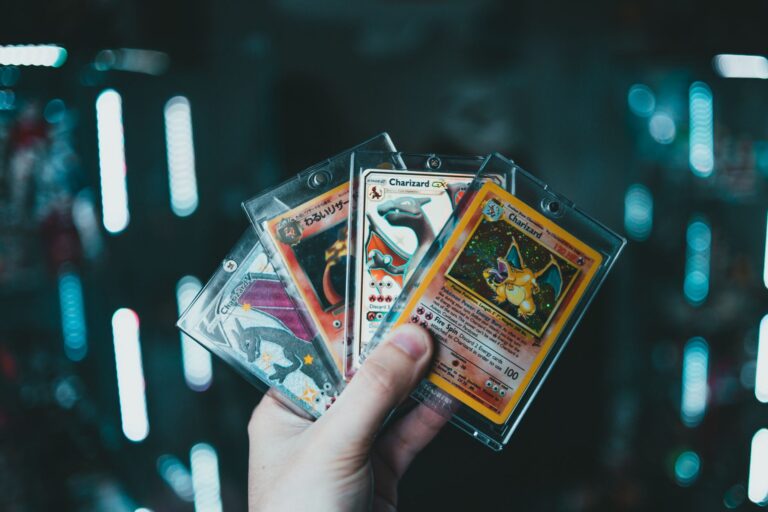
The short answer is that you cannot cross a CGC 10 Lapras directly to TAG. TAG grading does not accept cards that have already been encapsulated by any third-party grader, including CGC, PSA, BGS, or Beckett. If your Lapras is currently in a CGC slab and you want TAG grading instead, there is only one option: the card must be removed, or “cracked out,” from its CGC holder and submitted to TAG as a raw, ungraded card.
This means accepting the risk that TAG’s assessment may differ from CGC’s, and potentially starting over with a lower grade. This limitation often surprises collectors who are familiar with CGC’s own crossover service, which does accept cards from other graders. However, the flow goes in the opposite direction—CGC will evaluate cards already in PSA, Beckett, or SGC holders, but other grading companies will not accept cards already graded by competitors. Understanding this distinction is essential for anyone considering a switch in graders for a high-value card like a 10-graded Lapras.
Table of Contents
- Why TAG Won’t Grade Already-Encapsulated Cards
- The Card Cracking Process and Associated Costs
- CGC’s Crossover Service Works in the Opposite Direction
- Weighing the Costs and Outcomes of Switching Graders
- Common Mistakes and Hidden Risks in the Cracking Process
- When Cracking Makes Sense for a CGC 10 Lapras
- The Evolving Landscape of Pokemon Card Grading
- Conclusion
Why TAG Won’t Grade Already-Encapsulated Cards
tag‘s policy is straightforward and applies uniformly across all pre-graded submissions. The company will not accept cards that have been previously encapsulated by PSA, CGC, Beckett, BGS, or any other professional grading service. This is a firm rule, not a case-by-case evaluation. TAG treats all incoming submissions the same way: they must arrive as raw, ungraded cards. For a CGC 10 Lapras, this means the card cannot simply be sent to TAG in its original holder with a request to upgrade or reconsider the grade.
The reasoning behind this policy is partly practical and partly about maintaining grading integrity. When a card is already slabbed, TAG cannot fully inspect the card for manufacturing defects, print quality, centering, and corner wear without removing it first. Additionally, by not accepting crossovers, TAG avoids situations where a collector might shop their card between graders looking for an upgrade. This protects the consistency and credibility of TAG’s own grading standards. For collectors with valuable cards like high-grade Laprases, this creates a real decision point. Do you stick with the CGC grade you have, or do you take the risk of cracking the card open and resubmitting it as raw? A CGC 10 carries significant value, and switching graders means potentially accepting a lower TAG grade if TAG’s assessment is more conservative.

The Card Cracking Process and Associated Costs
If you decide to pursue TAG grading for your CGC 10 Lapras, the first step is removing the card from the CGC slab. This process is called “cracking” or “busting,” and it comes with both financial and physical risks. The cracking itself is relatively simple—specialized tools or careful manual methods can separate the slab—but the process requires precision. Even a small slip can damage a card that’s worth hundreds or thousands of dollars. Professional grading services and specialized shops will crack cards for you, typically charging between $5 and $20 per card depending on the slab type and the service provider. However, the real cost is not the cracking fee itself but the potential loss in value if the card is damaged during removal or if TAG grades it lower than CGC did.
A CGC 10 Lapras might be worth $1,500 to $3,000 or more, depending on the specific card’s rarity. If TAG returns a grade of 9 or even 8, the value drop could easily exceed $500 to $1,000. Another consideration is the time and logistical cost. After cracking, you’ll need to carefully package and submit the card to TAG, wait for grading (which can take weeks to months depending on service level), and then manage the result. If TAG’s grade is lower than expected, you now have a card that is simultaneously devalued and in a different holder than you originally planned for. For collectors attached to the CGC holder itself, this process also means losing the original slab, even if you’re satisfied with TAG’s assessment.
CGC’s Crossover Service Works in the Opposite Direction
It’s important to clarify that CGC does offer a crossover service, but it works the other way around. CGC will evaluate cards already encapsulated in psa, Beckett, or SGC holders and will re-encapsulate them in a CGC slab—but only if CGC’s evaluators believe the card will receive a grade equal to or higher than the original grade. This is a crucial distinction. CGC protects its reputation by not accepting cards that might receive a lower grade in CGC’s assessment. For example, if you have a Lapras graded 9 by PSA and you submit it to CGC for a crossover, CGC will only slab it if their graders believe it deserves a 9 or better. If they think the card is actually an 8, they will not cross it—they’ll return it ungraded.
This policy means CGC crossovers are essentially one-way upgrades or lateral moves, never downgrades. The system is designed to be conservative and protective of the original grade. This is the inverse of what you’re trying to do with TAG. TAG does not offer crossovers at all, so your only path forward is to crack the card and submit it raw, accepting whatever grade TAG returns. There is no guarantee, no safety net, and no protection against a lower grade. This asymmetry in grading policies is a reality collectors must contend with in a multi-grader market.

Weighing the Costs and Outcomes of Switching Graders
Before deciding to crack a CGC 10 Lapras and send it to TAG, it’s worth doing a detailed cost-benefit analysis. The potential benefits of switching to TAG are typically subjective—perhaps you prefer TAG’s slab design, you believe TAG’s grading is more accurate, or you want to consolidate your collection under one grader. However, the financial risk is concrete and measurable. Let’s work through a realistic scenario. Assume your CGC 10 Lapras is worth $2,000 in the current market. The cracking and resubmission costs might total $30 to $50.
However, if TAG grades the card a 9 instead of a 10, the market value drops to approximately $1,200 to $1,400—a loss of $600 to $800. If TAG grades it an 8, the loss could exceed $1,000. The expected value of the switch depends on your confidence in TAG’s grading being higher than CGC’s, which is inherently speculative. For most collectors, this math doesn’t make sense unless you have a specific reason to believe CGC undergraded the card. If you’re simply shopping between graders or trying to get a higher grade, cracking and resubmitting is a high-risk strategy. The safer approach is to keep your CGC 10, or if you truly prefer TAG for other reasons, accept that the card may come back at a lower grade.
Common Mistakes and Hidden Risks in the Cracking Process
One of the most frequent mistakes collectors make is underestimating the physical risk of cracking. Modern slabs are durable, but they’re also designed to be sealed. Removing a card from a CGC slab requires either specialized tools or careful manual leverage, and even experienced collectors can slip. A corner crease or a scratch on the surface of the card during removal can drop the grade by multiple points, turning a valuable 10 into a much less valuable 7 or 8. Another hidden risk is exposure and oxidation. Once a card is cracked out, it is exposed to air and humidity in ways it wasn’t while sealed. High-grade vintage cards are particularly vulnerable to this.
Even a few days of exposure to ambient humidity can slightly affect a card’s condition, though the change may not be visible to the naked eye. Professional graders might notice a difference in gloss or surface texture. This is another variable that could affect TAG’s assessment. Additionally, collectors sometimes crack cards impulsively without fully understanding TAG’s submission requirements or current turnaround times. If TAG’s grading queue is months long, you’re storing a raw, exposed card for an extended period. Some collectors also crack cards without having a clear plan for what to do if the TAG grade is lower than expected. You can’t simply put the card back in the original CGC slab, and you may not want to submit it to another grader. Plan your entire strategy before you crack anything.

When Cracking Makes Sense for a CGC 10 Lapras
There are specific scenarios where cracking a CGC 10 and submitting to TAG is worth considering. The most legitimate reason is if you have evidence that CGC substantially overgraded the card. This might come from feedback on collector forums, from comparing your card’s condition side-by-side with other graded examples, or from expert opinions you trust. If experienced collectors consistently say the card looks undergraded for a CGC 10, then seeking a second opinion from TAG might make sense.
Another scenario is if you’re willing to absorb a potential grade drop because you have other reasons to want a TAG holder. Perhaps you’re building a set entirely in TAG slabs, or you plan to sell the card to a buyer who specifically wants TAG certification. In these cases, the grade difference is less about financial loss and more about achieving your collecting goals. However, even in this situation, going in with eyes wide open about the risk is essential.
The Evolving Landscape of Pokemon Card Grading
The Pokemon card grading market has matured significantly since the early 2020s boom, and the existence of multiple competing grading companies is now a permanent fixture. TAG’s refusal to accept already-graded cards reflects a specific business philosophy: maintain strict quality control and refuse to engage in grade-shopping dynamics. As the market continues to evolve, it’s possible that industry standards might shift, but there is no indication that TAG will change this policy anytime soon.
For collectors looking forward, the key lesson is to think carefully about which grader you use the first time. Your initial choice locks in not only a grade but also flexibility for the future. If you’re uncertain whether CGC or TAG is right for a card, submitting to the grader you’re most confident in initially is wiser than planning to cross over later. The market for Pokemon cards will likely continue to value cards graded by major, reputable services, but switching between them is not a simple or risk-free process.
Conclusion
Crossing a CGC 10 Lapras to TAG is not possible through any direct process. TAG does not accept cards already encapsulated by other graders, which means your only option is to crack the card out of its CGC slab and submit it to TAG as raw. This introduces financial risk—the card could receive a lower grade from TAG, potentially costing you hundreds of dollars in market value.
Before taking this step, carefully weigh whether the benefits of having a TAG holder justify the risk of a grade drop. For most collectors, the answer is to keep the CGC 10. If you do decide to pursue TAG grading, work with a professional to crack the card safely, understand TAG’s submission requirements, and mentally prepare for the possibility that the grade may be lower than CGC’s assessment. The Pokemon card grading market will continue to value all major graders, so there’s no urgent need to switch if you’re happy with your CGC slab.