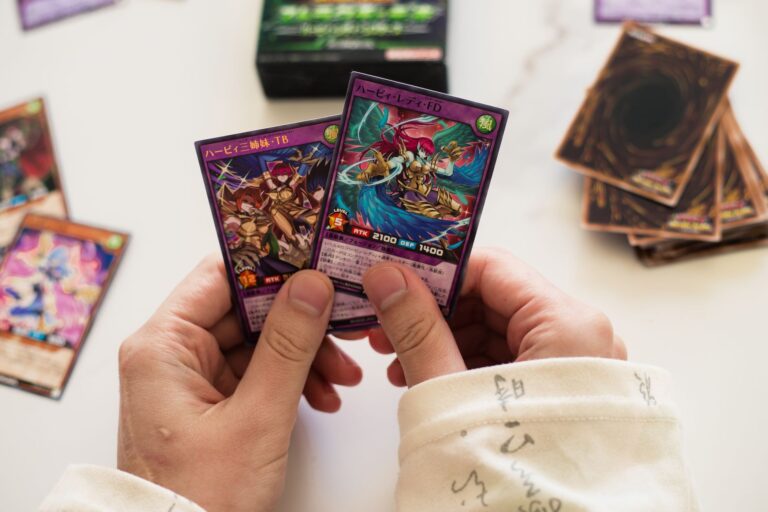
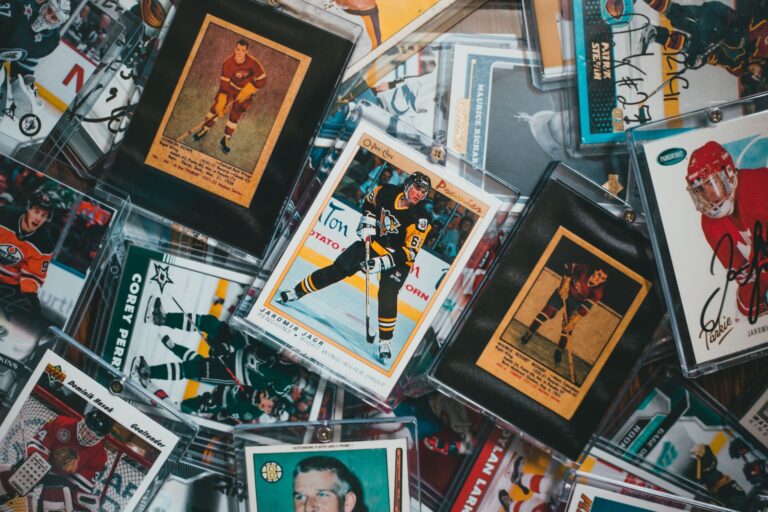
Before you spend significant money on Pokémon cards, understand that card prices vary dramatically based on set, rarity, condition, and grading status—even cards featuring the same Pokémon can sell for wildly different amounts. A standard Charizard VSTAR sells for $15-25, while a Rainbow Rare version of the same card commands $80-120, and an Alternate Art Charizard V reaches $250-350. This isn’t arbitrary pricing; every detail matters, and beginners who ignore these distinctions waste money fast.
The most critical lesson before spending is understanding market timing. When new sets release, chase cards experience demand spikes that inflate prices 20-40% above their eventual stable price—a surge that typically cools within 2-3 months as the market normalizes. Impatient collectors who buy immediately often watch their purchases drop in value shortly after, while patient buyers wait for stabilization and save thousands. The timing of your purchases, not just what you buy, determines whether you’re building value or losing it.
Table of Contents
- How Card Values Really Work for Different Types of Cards
- The Grading Trap—When It Makes Sense and When It Doesn’t
- Spotting Fakes and the Counterfeiting Crisis
- Smart Buying Strategies That Actually Protect Your Wallet
- Market Timing and Price Volatility You Can’t Ignore
- Building a Sustainable Collection Strategy
- The Future of Pokémon Collecting and Where to Position Yourself
- Conclusion
How Card Values Really Work for Different Types of Cards
card pricing isn’t determined by a single factor—it’s driven by the intersection of set rarity, visual appeal, and condition. The Destined Rivals set illustrates this clearly: Team Rocket’s Mewtwo ex commands $376 or more, while Cynthia’s Garchomp ex sits around $237, even though both are recent high-value pulls from the same set. The difference comes down to collector demand and card aesthetics. Vintage sealed products have also moved differently than modern singles recently; vintage jumped 15-25% while modern singles corrected downward 20-30%, showing how market segments don’t move in lockstep. High-grade versions of popular cards represent an entirely different value tier.
A raw (ungraded) Umbreon VMAX Alt Art from Evolving Skies might cost several hundred dollars, but a PSA 10 specimen averages around $3,520. This isn’t just about condition—the grading itself signals authenticity and grade consistency to buyers, which carries a massive premium. For new collectors, this means you need to understand whether you’re buying raw cards, lightly played singles, or pursuing the ultra-expensive gem-mint graded versions. The practical limitation here is that newer collectors often don’t know which cards will hold value and which will crash. Trending cards can cool off quickly once the initial hype fades, and predicting which Alternate Art or Rainbow Rare will remain desirable years later is difficult. Start by studying completed sales on TCGPlayer for 3-6 months to understand which cards in a set maintained value rather than guessing based on secondary market buzz.

The Grading Trap—When It Makes Sense and When It Doesn’t
Grading a card costs $25-100 or more depending on the service and turnaround time, which immediately makes it uneconomical for most cards. The general threshold that professionals recommend is clear: only grade cards that are already worth $50 or more in raw condition and appear to be in excellent shape. Grading a $30 card with visible wear costs more than the potential value increase, and you’ve now permanently reduced your return on investment. The real risk comes from the psychology of grading. New collectors often think grading automatically increases value, but it only increases value if the card grades higher than its raw condition already justified. A card that looks Mint to you might come back as PSA 7 or 8, and you’ve just locked in a lower value than you expected.
Additionally, the grading industry itself faces serious credibility issues that you need to know about before submitting expensive cards. A $2 million fake grading scheme was prosecuted in January 2026, and just months before that, PSA was caught in a scandal where approximately 11 cards were upgraded to PSA 10 without proper notification during their buyback period—creating counterfeit slabs in the secondary market. Before grading, verify that any graded card you’re considering purchasing actually exists in the grading company’s database. PSA, CGC, and BGS all maintain public databases where certification numbers can be checked. This simple step catches a surprising number of fraudulent slabs. If you’re buying an expensive graded card online, this verification step is non-negotiable.
Spotting Fakes and the Counterfeiting Crisis
An estimated $50 million in counterfeit Pokémon cards circulated through online marketplaces in 2025 alone, so assume counterfeits exist everywhere until proven otherwise. The light test—holding a card to a light source to examine the backing—catches roughly 80% of counterfeits immediately, as fakes often have obviously different paper composition and light transmission. However, the caveat is critical: sophisticated counterfeits may pass the light test, which means it’s not a complete solution. More reliable authentication requires examining multiple factors: the card stock quality, font weight on text, centering of the image, holo pattern accuracy, and the feel of the card stock between your fingers. Counterfeits often feel slightly different—thicker, thinner, or with a glossier finish.
The reality is that sophisticated fakes are getting better, and even experienced collectors sometimes get fooled. This means you should strongly prefer buying from established retailers, verified sellers on TCGPlayer, or in-person at card shows where you can inspect cards before purchase. The recent prosecutions and PSA grading scandal reveal that counterfeiting extends beyond raw cards into the grading infrastructure itself. Fake grading slabs exist, and they’re hard to spot without proper verification. Never assume a graded slab is authentic just because it looks official—verify the certification number before committing large amounts of money.

Smart Buying Strategies That Actually Protect Your Wallet
The most cost-effective approach to collecting is shifting from pack-buying to singles purchasing, which means visiting card shows, checking store display cases, and attending trading events where you can negotiate and build relationships with other collectors. Buying packs is the most expensive way to acquire cards; a booster box costs $100+ and most packs contain filler commons. By contrast, identifying the specific cards you want and buying singles avoids the wasteful pack-opening model. When buying singles, accept that graded cards and raw cards serve different purposes. If you’re building a playable collection for the Pokémon Trading Card Game, raw cards make sense and save you the grading premium.
If you’re collecting for investment and displaying, then purchasing pre-graded cards from trustworthy sellers might make sense—but verify the grading before purchase. Price-comparison shopping across TCGPlayer, local shops, and specialized dealers can reveal 20-30% differences for the same card. A critical limitation of buying singles is that you miss the hunt and surprise element that draws many people to card collecting. Some collectors enjoy the randomness of packs, even if it’s mathematically wasteful. If that’s your motivation, budget for it explicitly and don’t expect financial returns—treat it as entertainment spending rather than investment.
Market Timing and Price Volatility You Can’t Ignore
New set releases create predictable price swings that savvy collectors exploit. Chase cards shoot up in the first week as demand peaks and supply is tight, then the price typically settles 20-40% lower as booster boxes normalize distribution. If you absolutely must have a card on release day, expect to overpay significantly. Waiting just 4-6 weeks for the market to stabilize saves thousands if you’re building a collection of multiple chase cards. The broader market has also shown volatility between vintage and modern segments.
Vintage sealed products surged 15-25% recently while modern singles corrected 20-30%, meaning some collectors are shifting their portfolios toward older sealed products as a value store. This doesn’t guarantee vintage will continue outperforming, but it shows that market segments move independently. Diversifying across different set eras and card types protects you from betting everything on a single market segment. The limitation is that you can’t time the market perfectly, and waiting too long can also cost you—extremely popular cards in high grades do eventually sell out at higher prices. The balance is to avoid the first-week panic buying while also not waiting so long that scarcity drives prices back up. Monitor price history on TCGPlayer for the specific cards you want, and buy when prices stabilize rather than at extremes in either direction.

Building a Sustainable Collection Strategy
Successful collectors set a monthly or annual budget and stick to it, treating card collecting like any other hobby with limits. Deciding whether you’re collecting for gameplay, investment, or aesthetics changes which cards matter. A player collecting for tournament use needs specific meta-relevant cards; an investor focuses on chase cards with scarcity; and a casual collector might prioritize favorite Pokémon regardless of competitive value.
Clarity on your category prevents wasteful spending on cards that don’t align with your actual goals. Start with commons and uncommons from current sets at bargain prices to understand the hobby mechanics before investing in expensive holos. This teaches you card authenticity, condition grading, and market dynamics without significant financial risk. Many experienced collectors recommend spending your first year accumulating knowledge rather than expensive cards.
The Future of Pokémon Collecting and Where to Position Yourself
The counterfeit crisis and grading scandals suggest that authentication and verification will become more important, not less. Future-facing collectors should learn to verify cards before purchase, understand grading databases, and potentially prefer in-person purchases where inspection is possible. The market may also see increased authentication tools, blockchain verification, or other security measures as the industry responds to fraud.
As the market matures, prices will likely become more efficient as more data becomes available and more casual collectors enter the hobby. Early collectors who made mistakes taught the market what matters in pricing, and that knowledge is now free. New collectors entering today have the advantage of understanding pricing factors upfront—use that information advantage before it evens out further.
Conclusion
Before spending significant money on Pokémon cards, master three core principles: understand that card prices are detail-driven (set, rarity, condition, grading status), wait for market stabilization rather than buying during release hype, and learn to spot counterfeits before committing to expensive purchases. These fundamentals protect 90% of beginner mistakes in the hobby.
Your first purchases should be budget-conscious singles from established sellers, with careful attention to condition and pricing history. As you gain experience, you’ll develop the judgment to time your buys, navigate the grading question, and build a collection that holds value. The best time to learn these lessons is now, before your first major purchase.