Collectors get wrong about Pokemon card buyouts in 2026 primarily by making emotional, uninformed decisions during moments of hype and market enthusiasm. The biggest mistakes fall into three categories: poor storage that destroys value, overpaying for cards based on character desire rather than market fundamentals, and panic selling during price corrections. A collector might see an Umbreon ex Special Illustration Rare holding $1,000+ prices and assume it’s a guaranteed investment, without understanding the foundational practices that actually preserve and grow card value.
The Pokemon card market has been volatile and rewarding in equal measure. Since 2004, the market has appreciated 3,821%—vastly outperforming the S&P 500’s 483% growth. In 2026 alone, average Pokemon cards have risen 46% year-over-year, with specific chase cards experiencing 200-500% gains. But this growth masks a truth that separates successful collectors from those who lose money: the fundamentals matter far more than market timing.
Table of Contents
- Why Storage Destroys Card Value Faster Than Market Corrections
- The Overpaying Trap and Why Damaged Cards Shouldn’t Command Premium Prices
- Chasing Hype Bubbles Instead of Sustainable Value Drivers
- Graded Cards as Insurance Against Market Volatility
- Panic Selling and the Cost of Emotional Decisions
- Counterfeit Misprints and the Rising Fake Risk
- Building a Buyout Strategy That Actually Works in 2026
- Conclusion
- Frequently Asked Questions
Why Storage Destroys Card Value Faster Than Market Corrections
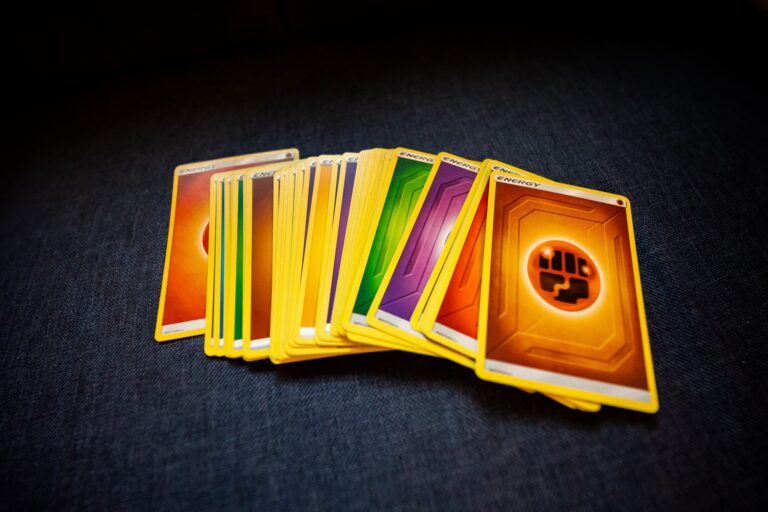
Most new collectors don’t realize that improper storage causes more permanent damage to cards than market downturns. Storing cards loosely in boxes, drawers, or bags without protective sleeves exposes them to scratches, dust, humidity, and bending—damage that’s irreversible and immediately reduces market value. A card in near-mint condition stored properly might appreciate 20-30% over a year.
The same card stored carelessly can lose 50-70% of its potential value through surface wear alone, regardless of market conditions. The difference between a card stored in acid-free sleeves, a top loader, and a graded slab versus one thrown into a shoebox compounds over months and years. Graded pokemon cards actually maintain stronger price stability during market downturns compared to raw cards, which speaks to how much condition preservation matters. If you‘re making buyout decisions—whether buying to hold long-term or to flip—storage decisions made in the first week of ownership will outlast any market call you make in month six.

The Overpaying Trap and Why Damaged Cards Shouldn’t Command Premium Prices
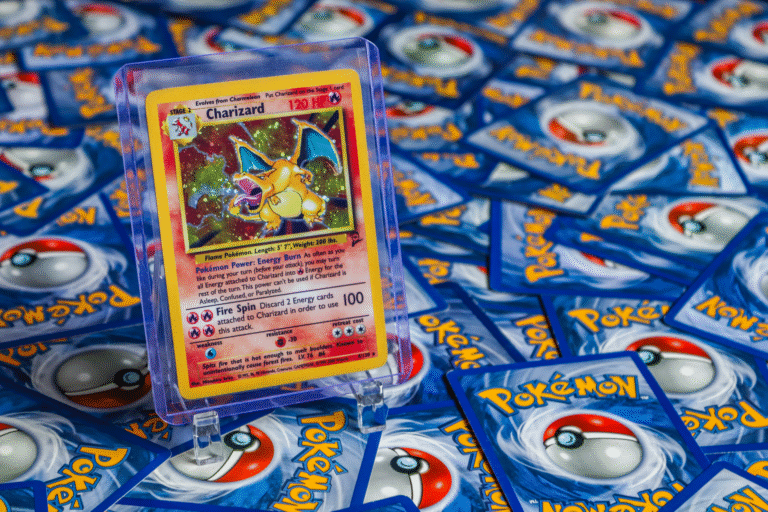
New collectors frequently overpay for damaged cards simply because they want the character depicted. A damaged Charizard ex or beloved starter might feel worth the premium because of the nostalgia factor, but the market doesn’t price cards on emotional attachment—it prices them on condition, rarity, and demand. paying $50 for a heavily played copy of a card that sells for $35-40 in the same condition is an immediate loss.
The limitation here is that many new collectors don’t understand grading scales or condition gradients. They see a card they want and assume price differences reflect minor variations. In reality, a Lightly Played card can be 30-50% cheaper than a Near Mint version of the same card, and Heavily Played versions often don’t command much premium over the pack price they originally came from. Before making a buyout decision, establish baseline prices on TCGPlayer—the gold standard for market pricing and inventory in the US—and stick to cards at or below market rates.
Chasing Hype Bubbles Instead of Sustainable Value Drivers
One of the most expensive mistakes collectors make is focusing on cards experiencing sudden popularity without understanding whether that demand reflects lasting market interest or temporary hype. In Q1 2026, Ascended heroes emerged as the hottest Pokemon pack due to numerous alternate art options and expected historical significance. Cards from this set have appreciated sharply, but following the crowd into a set months after its initial hype has often meant buying near its peak rather than its foundation.
The data shows a clear split in 2026: Japanese modern singles corrected 20-30% from launch peaks while vintage and sealed products climbed 15-25%. This reveals a crucial insight—brand new chase cards from recent sets often overheat and cool off as supply increases and the initial rush fades. Buyouts made during peak hype frequently underperform buyouts made after the initial correction, when prices stabilize around genuine demand. The strategy that works: let a hot set run its initial cycle, watch for the 15-20% pullback, then buy graded copies or sealed product if fundamentals still look strong.

Graded Cards as Insurance Against Market Volatility
A practical distinction many collectors overlook is that graded cards hold value differently than raw cards during market swings. When prices correct—and they do, regularly—graded cards in PSA or BGS slabs maintain stronger price floors because the grading certification removes condition uncertainty from the buyer’s equation. Raw cards, especially in played condition, can lose 30-40% of their value during a correction simply because buyers shift to preferring the certainty of graded copies. The tradeoff is cost: grading a card costs $15-50 depending on the service and turnaround time.
For cards you expect to hold long-term or sell during uncertain market conditions, grading is investment, not expense. For cards you’re flipping in 2-3 months during a strong market, the grading cost might eat your entire margin. Before making a buyout, ask yourself whether you’re holding through a potential correction—if yes, grading makes sense. If you’re planning to move the card within 30-60 days, raw cards at the right price are often the better play.
Panic Selling and the Cost of Emotional Decisions
The biggest mistake during price corrections is selling vintage or graded cards at losses simply because watching your collection decline in value triggers fear. The Pokemon card market experienced temporary but real corrections in late 2024 and again in early 2026. Collectors who sold Umbreon ex cards at $600-700 during these dips watched them recover to $1,000+ within weeks. The loss wasn’t in the market—it was in the emotional decision to exit.
This applies especially to graded cards and vintage sealed products, which historically recover faster than modern raw singles during corrections. If you’re buying cards as speculative investments, accept that 15-25% pullbacks are normal market behavior, not signals of collapse. Set a reasonable hold period—twelve months minimum—before evaluating whether a buyout worked. Panic selling converts temporary losses into permanent ones.

Counterfeit Misprints and the Rising Fake Risk
As misprints grow more popular and valuable, counterfeit misprints are becoming a genuine concern—and they’re easier to reproduce than other rare cards. A misprint that adds $100 to a card’s value attracts counterfeiters specifically because the printing variation is reproducible. New collectors chasing error cards and limited misprints from recent sets need to understand this reality: if something seems like an obvious rare misprint, counterfeiters have likely already targeted it.
Buy misprints from established resellers with authentication processes, not from individuals on secondary markets. The difference in price might be 10-15%, but the difference in risk between an authenticated misprint and a convincing counterfeit is total value loss. For modern sets, stick to official variants and Special Illustration Rares from established sources unless you have the expertise to authenticate printing errors yourself.
Building a Buyout Strategy That Actually Works in 2026
The most successful collectors in 2026 follow a clear strategy: start with Battle Decks at MSRP to test the hobby, then move to purchasing singles rather than opening packs for cost-efficiency. This matters for buyouts because it separates speculators from sustainable collectors. Buyout decisions based on weekly hype rarely outperform buyout decisions based on multi-month trends and historical price stability.
Japanese booster packs jumped from ¥180 to ¥200 in May 2026, and booster boxes rose from ¥5,400 to ¥6,000. These price increases reflect supply constraints and sustained demand—the kind of fundamental signals that should drive buyout decisions, not social media hype or celebrity mentions. Watch for sets showing sustained demand over 3-6 months, then buy sealed product or graded singles when prices stabilize after initial hype. This strategy has historically outperformed every alternative.
Conclusion
Pokemon card buyouts fail most often not because of market timing but because of foundational mistakes: poor storage that compounds over months, overpaying for damaged cards out of emotional attachment, chasing hype without understanding demand sustainability, and panic selling during normal market corrections. The 46% year-over-year growth in 2026 masks a market that rewards discipline far more than it rewards luck or timing.
If you’re planning buyouts in 2026, start with these guardrails: store properly from day one, buy at or below market rates on TCGPlayer, focus on cards showing sustained multi-month demand rather than weekly hype, consider grading for cards you expect to hold through corrections, and accept that volatility is normal. The collectors making real returns aren’t the ones chasing Ascended Heroes on launch day—they’re the ones buying graded vintage sealed products and sustainable modern chase cards after the initial hype settles.
Frequently Asked Questions
Should I buy modern or vintage cards for appreciation in 2026?
Vintage sealed products are climbing 15-25%, while modern singles are correcting 20-30% from launch peaks. Vintage offers more stability; modern offers more liquidity. Buy vintage sealed if you can hold 12+ months, modern singles if you need flexibility.
Is it too late to buy Ascended Heroes?
Not necessarily, but timing matters. The set experienced initial hype appreciation. Wait for a 10-15% pullback from peak prices, then buy graded versions if you’re holding long-term. Buying at current all-time highs increases downside risk.
How much should I spend on grading versus buying raw cards?
Grading costs $15-50 per card. Only grade cards you’re holding 6+ months or expect to be worth $40+. For quick flips or bulk inventory, raw cards at the right price are more profitable.
What’s the biggest storage mistake beginners make?
Storing cards without sleeves or top loaders. Loose cards in boxes accumulate scratches, dust, and humidity damage that reduces value 50-70% compared to properly stored cards. This mistake costs more than most market timing errors.
Is it safer to panic sell during a market correction?
No. Graded cards and vintage sealed products historically recover within weeks to months. Panic selling locks in losses. Set a 12-month minimum hold period and ignore short-term volatility.
How do I avoid counterfeit misprints?
Buy from established resellers with authentication processes, not individuals. If a misprint seems obvious or highly valuable, counterfeiters have targeted it. The 10-15% price premium for authenticated misprints is insurance against total loss.