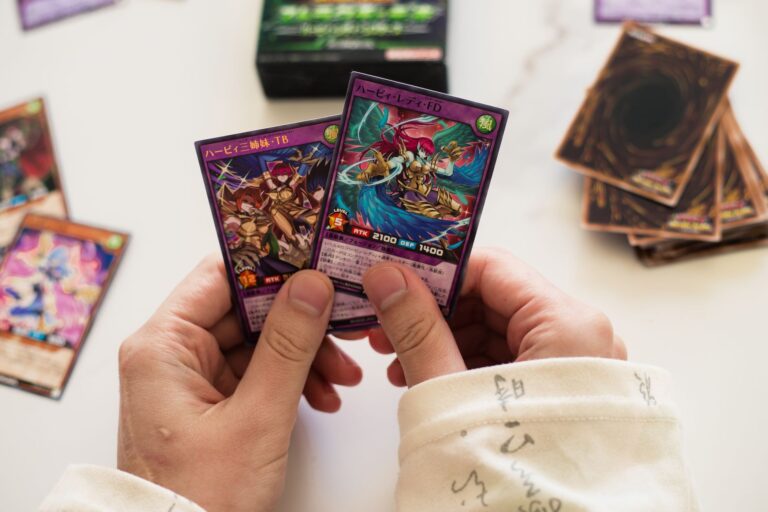
The cards that move markets in Pokémon collecting are rarely the ones everyone talks about. A quiet card—one that doesn’t capture headlines or spark bidding wars at auction—can have substantial future potential if it addresses an actual need in the competitive or collecting landscape. These are often support cards, evolution stage Pokémon, or reprints that initially underwhelm the market but later gain value as collectors and players recognize their utility or rarity.
A concrete example is the Blastoise from Base Set (non-holo), which for years sold for pennies compared to its holographic counterpart. When competitive players began building vintage-legal deck formats, demand for specific Stage 2 Pokémon that had gone unnoticed surged. The card wasn’t quieter because it was weak—it was quieter because the market hadn’t yet found the reason to want it. This same pattern repeats across Pokémon TCG history, with cards gaining traction only after a format change, a new synergistic card release, or a broader collector recognition of their scarcity.
Table of Contents
- Why Do Some Pokémon Cards Remain Overlooked Despite Potential?
- The Scarcity Factor That Often Goes Unnoticed
- Market Mechanics and Supply Constraints
- Grading, Condition, and Value Realization
- The Risks and Limitations of Quiet Card Speculation
- The Collector’s Advantage in Quiet Card Recognition
- Future Outlook for Undervalued Cards
- Conclusion
- Frequently Asked Questions
Why Do Some Pokémon Cards Remain Overlooked Despite Potential?
The Pokémon card market is driven by a small number of visible drivers: iconic characters, full-art variants, secret rares with minimal print runs, and cards that defined tournament-winning decks. A quiet card typically lacks these surface-level markers. It might be a Stage 1 Evolution, a Trainer card with niche utility, or a card from a set that released in smaller quantities than collectors realized. The mainstream focus on Charizard, Pikachu, and Mewtag variants creates a vacuum where cards that are functionally important or genuinely scarce get overlooked.
Quiet cards also tend to be technically competent rather than flashy. A Supporter that enables a specific strategy might never be featured on a promotional poster, whereas a Pokémon-ex with striking artwork gets heavy social media coverage. this creates a timing gap: the card exists and serves a purpose, but awareness of that purpose grows slowly. When a vintage format takes off or competitive players need specific role-players, the quiet card suddenly becomes relevant, and the supply constraint becomes apparent. Cards printed in limited quantities during unpopular set releases are particularly vulnerable to this dynamic.

The Scarcity Factor That Often Goes Unnoticed
Not all quiet cards have future potential—scarcity is the mechanism that transforms them from forgotten bulk into valuable holdings. A card from a set with a small print run, especially if it wasn’t heavily sought when released, can become genuinely scarce within five to ten years as copies are lost, damaged, or locked into collections. The key limitation here is distinguishing between a card that’s quiet because nobody wanted it and one that’s quiet because supply was always tight. Consider the Eeveelution line from certain vintage sets.
Some editions released in much smaller quantities than Charizard despite equivalent or greater utility in certain formats. A card’s quietness might persist even as its scarcity compounds, meaning collectors and investors miss the appreciation window. A warning: not every scarce card appreciates. A card must eventually be wanted—either by competitive players, format enthusiasts, or collectors hunting complete sets—for scarcity to translate into value. The timing of that want is unpredictable, and if it never materializes, a quiet, scarce card remains quiet and cheap indefinitely.
Market Mechanics and Supply Constraints
The Pokémon card market is fragmented across vintage and modern segments, and a card can be quiet in one while gaining traction in another. Modern chase cards dominate price discussions, but vintage cards that fit specific competitive formats (Legacy, Vintage, or format-restricted Constructed tournaments) experience demand spikes that aren’t always visible in casual market discussions. When a competitive format stabilizes around certain card requirements, quiet support cards suddenly face buyers, and sellers realize they’ve underpriced inventory. Supply constraints work both ways.
If a card was widely printed initially, it may remain cheap indefinitely despite being useful, simply because copies are abundant. Conversely, a card from a poorly-selling set or one released during a distribution gap can become genuinely difficult to find in played or higher-grade condition. The Pokémon Company’s reprint decisions also matter—a card that gets reprinted loses its scarcity claim, while a card that stays in its original form only compounds in rarity over decades. A practical example is Blissey from certain older sets, which served as a healing engine before being re-released in multiple modern formats. The original versions became less appealing to new players, but vintage format enthusiasts continue to seek them.
Grading, Condition, and Value Realization
A quiet card’s potential can hinge entirely on condition and whether it exists in enough high-grade copies to satisfy collector demand. A card that spent decades in a shoebox is usually too creased or faded to contribute real value, even if it’s scarce. Grading services have shown that certain utility cards—Trainers, Supporters, and Stage 2 Pokémon—sometimes sell better in lower grades than flashy cards in the same condition tier, because competitive players care about usability rather than pristine appearance. This creates a tradeoff: a quiet card might appreciate despite condition concerns because the buyer prioritizes access over collectibility.
Investing in quiet cards requires honest assessment of available inventory. A card might be quiet because it’s genuinely scarce, or it might be quiet because copies exist but simply haven’t been listed for sale. The difference becomes apparent only after consistent market observation—tracking sold listings, not just asking prices, reveals whether a quiet card is actually moving and at what prices. Many collectors hold quiet cards for years without listing them, artificially suppressing price signals and making the market appear softer than it actually is.
The Risks and Limitations of Quiet Card Speculation
Betting on quiet cards carries real risks. The primary risk is that the need you anticipate never materializes. A card might remain technically useful but never become fashionable enough to drive serious investment. Vintage formats are still niche compared to casual collecting, and not every format change resurrects forgotten cards. Additionally, the Pokémon Company can flood the market with reprints, obliterating the scarcity premise overnight.
A warning specific to quiet cards: they lack the brand recognition and social proof of obvious chase cards, meaning if you need to liquidate quickly, buyers might not exist at your target price. Another limitation is that quiet card appreciation, when it does happen, often occurs in concentrated bursts. A format announcement, a celebrity investor’s interest, or a tournament spike can drive rapid repricing. If you’re holding a quiet card and miss the window to sell, you may find the enthusiasm temporary, with prices retreating after a few weeks or months. This volatility is particularly pronounced for quiet cards because their value is fragile—it depends on sustained interest that hasn’t yet proven durable.

The Collector’s Advantage in Quiet Card Recognition
Long-term collectors often develop intuition about which quiet cards will appreciate because they’ve watched format evolution and community behavior over years. Someone who collected during the original Set release cycle understands which cards were actually rare or in limited demand even then. This experiential knowledge is difficult to replicate from spreadsheets or market databases.
Collectors who build complete set collections accidentally position themselves well for quiet card appreciation, because they own many cards that eventually become valuable without specifically pursuing them for investment. A collector completing a Base Set in fine condition acquires Blastoise, Venomoth, and other non-headline cards that later gain relevance in competitive formats. The collector’s motivation was completion, not speculation, but the diversified holding benefits when any single quiet card’s utility becomes recognized. This suggests a practical approach: if you’re interested in quiet card potential, focus on format-relevant complete sets from smaller print runs rather than hunting individual cards in isolation.
Future Outlook for Undervalued Cards
The Pokémon card market is likely to continue fragmenting into specialized segments: casual collecting, competitive formats, vintage preservation, and investment-focused portfolios. This fragmentation increases the likelihood that quiet cards will find audiences, because niche communities form around specific rules sets and collecting goals. A card that’s quiet in mainstream collecting might be exactly what a Legacy format player needs, and as those communities grow, demand for quiet, functional cards will likely increase.
Modern printings and reprints have also changed the collector calculus. Older quiet cards become relatively scarcer as new competitive players draft from modern sets instead of searching vintage stock. This creates a potential tailwind for older, undervalued cards from the earliest sets, even if they were once considered low-tier. The combination of format stabilization and generational turnover suggests that quiet cards identified today—particularly those with legitimate scarcity and utility—have a reasonable chance of appreciating within the next five to ten years, though timing and market conditions remain unpredictable.
Conclusion
A quiet Pokémon card with future potential is one that combines genuine scarcity, functional utility in some format or collection context, and minimal current attention. These cards appreciate when circumstances align: a format popularizes, collectors hunt specific completions, or competitive players recognize their role. The quiet card advantage is that it lacks the hype and speculation premium of obvious chase cards, meaning entry prices remain reasonable if you’re patient.
Your next step is to identify quiet cards in sets you know well and monitor their actual transaction prices over time. Track whether a card consistently sells despite low visibility, whether its condition distribution shows surviving copies were actually cared for, and whether new formats or competitive structures are likely to increase demand. The most profitable quiet cards are discovered through this patient observation rather than speculation—by the time everyone recognizes a card’s potential, its price has already adjusted.
Frequently Asked Questions
How do I find quiet cards with real future potential?
Focus on cards from sets with demonstrated smaller print runs that served specific functions in competitive formats or complete set collecting. Track actual sold prices on multiple platforms over six months to see if demand is growing despite low visibility.
Can I make money buying quiet cards?
Yes, but the timeline is long and the returns are modest compared to chase cards. Quiet cards appreciate through use-driven demand rather than hype cycles, so patience is necessary. Most buyers see returns of 50-200% over five to ten years if they’ve selected correctly.
What’s the difference between a quiet card and a bulk card?
A bulk card serves no functional purpose and has no collection significance. A quiet card is either mechanically useful in some format or is scarce enough to matter to collectors pursuing completeness. The distinction is often invisible until circumstances change.
How do I avoid losing money on quiet cards?
Buy cards that have actually been played or collected in the past, not cards that nobody has ever wanted. If a card was printed abundantly and never gained traction, that’s usually permanent. Scarcity combined with historical relevance is the safest indicator.
Should I buy quiet cards in bulk or pick individual cards carefully?
For quiet cards, selection matters more than volume. Buying a mixed lot of cheap cards from an unpopular set rarely produces appreciation—instead, identify specific cards that meet scarcity and utility criteria and buy multiple copies in varying conditions.
What happens if the Pokémon Company reprints a quiet card I invested in?
Reprints usually collapse the value of older versions temporarily, though vintage originals often recover value if the reprint is in a different format or has different mechanics. This risk is real, which is why you should never overextend buying quiet cards.