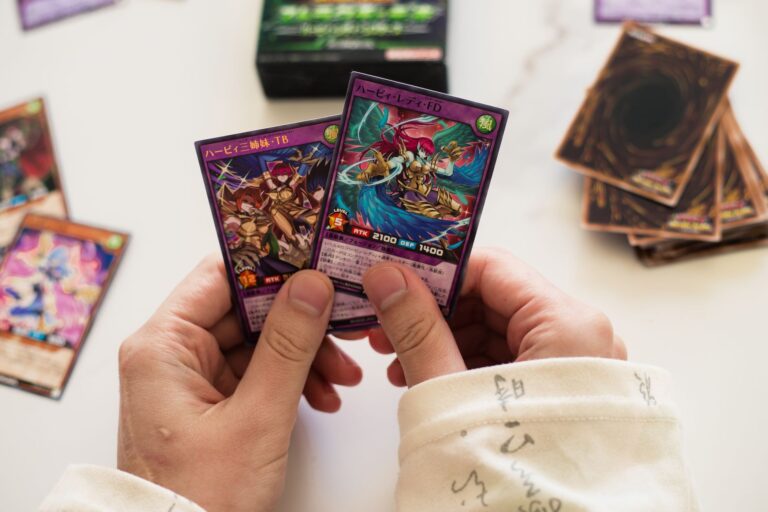
Pokémon Illustration Rares represent the answer to a collector’s dilemma: how to own cards that are genuinely rare and desirable without spending hundreds or thousands of dollars. These cards, which feature beautiful alternative artwork and carry real collectible prestige, trade at remarkably accessible prices. A Clefairy Illustration Rare, for example, typically costs $30-40, while even more specialized cards like Aurorus Illustration Rare can be found raw for just $4-8.
For Pokémon collectors, this pricing tier opens up the possibility of building a genuinely impressive collection with modest monthly budgets. The broader insight applies beyond just Illustration Rares: the entire Pokémon card market maintains the lowest barrier to entry among trading card games. With budgets of just $20-50 per month, collectors can steadily acquire rare and collectible cards. The key is understanding which types of cards deliver rarity and desirability at prices that won’t strain a collector’s finances—whether that’s Illustration Rares, lower-graded vintage cards, or strategically chosen modern releases.
Table of Contents
- What Makes Illustration Rares Different From Standard Rares?
- Why PSA 4 Vintage Cards Offer Hidden Value for Budget Collectors
- Strategic Grading: When CSG 10 Makes More Sense Than PSA 10
- Building a Sustainable Monthly Collecting Strategy
- The Reality of Condition Variation and Market Volatility
- Taking Advantage of Recent Release Cycles
- The Long-Term Outlook for Affordable Rare Cards
- Conclusion
What Makes Illustration Rares Different From Standard Rares?
Illustration Rares occupy a unique position in the pokémon TCG ecosystem. Unlike standard rare cards that often see high print runs, Illustration Rares feature alternative artwork and carry lower pull rates from modern sets. this scarcity is reflected in their value, but it’s a manageable scarcity. The Clefairy Illustration Rare example shows this clearly—it’s genuinely rare enough to feel like a prize card when you own one, yet common enough in the market that prices remain reasonable for most collectors.
What makes these cards particularly attractive is the psychological satisfaction they provide. You’re not just buying a card; you’re acquiring something with genuine rarity credentials. The Aurorus Illustration Rare trading at $4-8 raw demonstrates that even when prices are this low, the underlying rarity is real. The limitation worth noting is that condition matters significantly at these price points. A raw card at $4-8 might look quite different from one in near-mint condition—and the difference in appearance can be substantial enough to affect long-term enjoyment and value.

Why PSA 4 Vintage Cards Offer Hidden Value for Budget Collectors
One of the best-kept secrets in card collecting is the affordability of vintage cards in lower grades. PSA 4-graded vintage pokémon cards—classified as “Very Good-Excellent”—offer a genuine bridge between pristine modern cards and raw vintage gambles. These cards have strong eye appeal despite visible wear, maintain their authentic vintage charm, and come with the credibility of professional grading. For a collector who wants to own authentic vintage cards without paying five-figure prices, PSA 4 represents an intelligent entry point.
The practical limitation of this approach is acceptance. Not all collectors feel satisfied owning cards that show obvious wear, even if the card is genuinely vintage and graded. Additionally, the vintage market can be unpredictable. A PSA 4 card you purchase today might be abundant in five years if a large collection emerges, or it might remain stable. The advantage is that vintage pokémon cards have consistently held value over decades, providing some confidence that you’re at least not making a losing investment.
Strategic Grading: When CSG 10 Makes More Sense Than PSA 10
Budget-conscious collectors have learned a valuable lesson from the sports card market, which directly applies to Pokémon cards: alternative grading companies like CSG and SGC offer legitimate alternatives that trade at significant discounts compared to PSA 10 slabs. A CSG 10 or SGC 9.5 slab of a given card might cost 30-50% less than an identical PSA 10 slab, yet the card inside is still professionally graded and encased in a legitimate holder. For collectors prioritizing expanding their collection over maximizing PSA grade recognition, this is a powerful strategy.
The tradeoff to understand: PSA 10 slabs have stronger market perception and easier resale, particularly for high-value cards. If you’re building a collection you intend to keep long-term, the grade perception matters less. But if you might someday sell, be aware that PSA carries more collector prestige. That said, for most Pokémon cards in the $20-100 range, this discount strategy can effectively double the size of your collection with the same budget.

Building a Sustainable Monthly Collecting Strategy
The math of Pokémon collecting on a $20-50 monthly budget becomes clear when you focus on singles rather than sealed products. Instead of chasing booster boxes—which can cost $80-150 and often disappoint—targeted single purchases allow you to accumulate cards with actual meaning to your collection. Illustration Rares, vintage singles, and graded cards under $40 become the building blocks. Over a year, a $30 monthly budget yields $360, enough to secure a dozen solid cards or more.
The key limitation here is patience. Building a meaningful collection this way takes years, not months. You won’t experience the rush of opening a booster box and pulling something valuable. Instead, you’re making deliberate choices—which for many serious collectors becomes more satisfying than randomness, but requires a different temperament. The advantage is that every card you purchase has specific value and intention, and your collection grows in a way that reflects your actual preferences rather than luck.
The Reality of Condition Variation and Market Volatility
Raw cards, particularly in the $4-15 range, carry significant condition uncertainty. When you purchase a raw Aurorus Illustration Rare for $8, you might receive a card that looks like $15 based on eye appeal, or one that clearly shows wear and looks like a $4 card. This variance creates real frustration for budget collectors who can’t absorb these swings easily. Sellers on platforms like TCGPlayer do provide condition descriptions, but “lightly played” means different things to different people.
Additionally, the affordable card market is more volatile than many collectors realize. A card that costs $20 today might be $12 next month if a large inventory hits the market, or $35 if demand suddenly spikes. This volatility matters less for cards you’re buying to keep, but it’s worth understanding that affordable cards aren’t immune to price shifts. The practical lesson: buy what you love, not what you expect to flip for profit. Budget collecting works best as a hobby driven by genuine interest in the cards themselves.

Taking Advantage of Recent Release Cycles
April 2026 brought significant TCG releases that offer collecting opportunities at various price points, including the Pokémon ME3 set. New releases typically offer the best variety of Illustration Rares and other sought-after cards, with prices stabilizing as the initial hype subsides. For budget collectors, waiting 4-8 weeks after a major release often yields the best prices, as early pre-order premiums fade and supply normalizes. Pokémon ME3 cards that might cost $15-25 at release often settle into the $8-12 range within a couple months.
The tradeoff is that waiting requires patience and means missing out on the initial excitement around new sets. Additionally, particularly desirable cards might never see significant price drops. But for building a collection on a limited budget, this patience pays dividends. A collector with a $40 monthly budget can afford only two or three cards at release prices, but potentially four or five cards at stabilized prices—a meaningful 33% increase in acquisition capacity.
The Long-Term Outlook for Affordable Rare Cards
The Pokémon card market has matured significantly since the 2020-2021 boom. That maturation has created a genuinely healthy ecosystem where different price tiers serve different collectors. Illustration Rares, budget vintage cards, and lower-graded slabs aren’t just budget options—they’re now recognized as legitimate segments with their own collector communities. This recognition provides some stability; cards that were once dismissed as “not PSA 10” now have consistent market demand.
Looking forward, the demographic of Pokémon collectors will likely continue diversifying. Not every collector needs or wants graded cards; not everyone can afford $500 vintage holos. The expansion of alternative grading, the growth of online communities around budget collecting, and the simple reality of Pokémon’s enduring appeal suggest that affordable rare cards will remain relevant for the foreseeable future. The collector’s market is big enough for luxury buyers and budget enthusiasts alike.
Conclusion
Rare, collectible cards don’t require four-figure budgets or pristine grades to deliver real value and satisfaction. Pokémon Illustration Rares priced at $4-40, lower-graded vintage cards, and strategically chosen modern singles create genuine collecting opportunities for anyone with modest monthly resources. The key is understanding that rarity exists at multiple price tiers, and that lower prices don’t automatically mean lower quality or satisfaction.
Start with what genuinely interests you—whether that’s Illustration Rares, a specific set, or vintage cards from your childhood era. Set a realistic monthly budget, be patient with your purchases, and focus on individual cards that matter rather than sealed products that rely on luck. Over time, this approach builds collections that are both meaningful and financially sustainable, proving that serious collecting and serious budgets don’t have to go hand in hand.