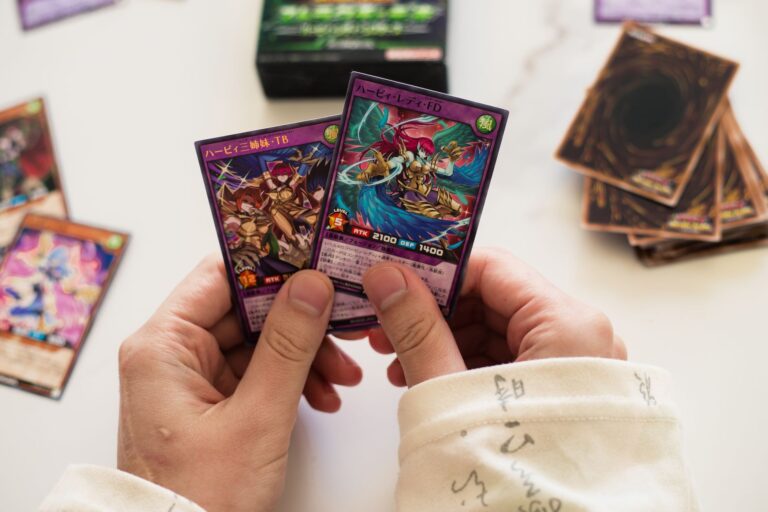
The Pokémon card most likely to explode in value isn’t a first edition Base Set Charizard—it’s a niche card that still sits in bulk bins and discount boxes at local shops. These are cards that have all the ingredients for value growth: low graded population, genuine scarcity, emerging collector interest, and legitimate reasons for appreciation that aren’t based on hype alone. One example is the Shadowless Pikachu from Base Set, which can fetch $500-$2,000 in high grades despite being less famous than its holographic cousin. The difference isn’t the card quality; it’s that fewer collectors know Shadowless cards exist at all.
The reason niche Pokémon cards explode isn’t magic—it’s information asymmetry. Once serious collectors discover a card category that combines low supply, category legitimacy, and actual collector demand, prices correct upward almost inevitably. Japanese holographic energy cards from early sets, misprint editions with unique characteristics, and region-exclusive promos are perfect examples of this pattern. The window to acquire these cards before they’re “discovered” is closing as market transparency improves, which is why identifying them now matters.
Table of Contents
- Which Niche Pokémon Cards Have Explosive Potential?
- Understanding Grade Premium and Condition Scarcity
- Specific Undervalued Card Examples and Market Triggers
- How to Identify Niche Cards Before They Spike
- Risks and Common Pitfalls in Niche Card Speculation
- Market Timing and the Information Cascade
- Future Outlook and Market Maturation
- Conclusion
- Frequently Asked Questions
Which Niche Pokémon Cards Have Explosive Potential?
Niche card categories typically fall into a few patterns: error cards with documented printing mistakes, region-exclusive releases with limited distribution, holographic variations that differ subtly from common versions, and promotional cards with artificially low print runs. The cards that spike hardest are those in categories where supply is mathematically limited but demand was previously dormant. For example, Topsun cards from Japan’s original 1996 release had such tiny print runs that even common Topsun Pikachu cards now trade for $200-$400 in decent condition—not because they’re more playable, but because almost nobody saved them.
Japanese promotional holofoil cards from the mid-1990s represent another category with explosive potential. These were often given away at shops, tournaments, or in special packs, meaning the original distribution was geographically limited and quantities were controlled. When collectors began documenting these properly in the last five years, prices accelerated 300-500% for raw cards simply moving to a higher grade. The key: these cards have legitimate historical significance (they were official releases, not counterfeits or unlicensed products) and exist in quantities low enough that sustained buying interest actually moves the market.

Understanding Grade Premium and Condition Scarcity
The value explosion in niche Pokémon cards is turbocharged by grading and condition-based pricing. A raw Shadowless Pikachu might sell for $40-80, but the same card graded PSA 8 or higher can fetch 10-15 times that amount. this premium exists because high-grade vintage cards are exponentially scarcer than lower-grade copies. For niche cards, this matters more because the total population is smaller to begin with—if only 50 PSA 8+ copies exist of a particular card, a single sale at auction can reset market expectations upward.
One major limitation: grading costs money and takes time, so many niche cards remain ungraded and undervalued. A collector might hold a card worth $2,000 graded but keep it in a binder worth $200 raw, simply because they don’t know its actual value. This creates opportunity for knowledgeable buyers, but it also creates risk—you might grade a card expecting a grade of 8 and receive a 6, which can slash the value by 50% or more. The lesson: niche cards with explosive potential are usually those where even ungraded copies are starting to command attention, suggesting the grading bump is coming next.
Specific Undervalued Card Examples and Market Triggers
First edition Pokédex cards from Japanese releases represent a specific example of undervalued niche content. These weren’t sold in Western markets at scale, meaning PSA population reports show extremely low numbers—often single digits for gem-mint copies. Yet because most collectors can’t easily distinguish these from non-first-edition Japanese prints, they trade at fraction-of-perceived-value prices. A first edition Japanese Pikachu Pokédex card might trade for $100-200 while functionally identical non-first editions of the same Japanese card go for $20-40.
Another undervalued category: miscut cards with centering errors severe enough to be unusual but not so severe they’re worthless. A card with 60/40 centering from an early print run might trade for 20-30% of a perfectly centered copy’s price, yet it’s actually rarer (fewer perfect cards exist by definition). As condition-grading awareness spreads, these will likely appreciate because they represent provable scarcity rather than luck. The market hasn’t fully priced in the reality that low-population miscuts are often more defensible long-term holds than common cards in common condition.

How to Identify Niche Cards Before They Spike
The best way to identify cards with spike potential is to track PSA population reports obsessively. Cards with fewer than 50 total graded copies—especially in higher grades—represent legitimate scarcity. Cross-reference these with price history: if a card with a population of 20 graded copies is trading at all (even at low prices), it signals emerging interest. The comparative approach works too: find a niche card category that exists in a strong collector’s market (Japanese cards, holographic variations, regional promos) and then identify subcategories within that with documented low supply.
Participation in specialized Facebook groups and Discord servers where niche collectors congregate is practically mandatory. These communities often coordinate around specific card categories—Japanese holos, miscut variants, region exclusives—and share PSA data and recent sales. You’ll often see patterns like “nobody knew about these cards last year, now they’re spiking” precisely because information aggregation drives demand. The tradeoff: finding these communities requires effort, and by the time a niche category becomes visible in mainstream Pokémon collecting spaces, much of the appreciation has already occurred. The biggest gains happen before public awareness, not after.
Risks and Common Pitfalls in Niche Card Speculation
The primary risk in chasing niche cards is liquidity. A card might be theoretically worth $2,000 in high grade, but if only three buyers exist for it globally, actually converting that card to cash at market price is difficult. Many niche cards appreciate quickly on initial discovery but then plateau or decline when hype cools and the reality of low buyer interest sets in. An error card you bought at $150 might briefly trend at $400, but selling it at that peak requires timing luck and finding an actual buyer willing to pay that price.
Counterfeiting and misidentification represent another serious risk. Niche cards are attractive targets for counterfeiting precisely because they’re not well-documented yet. Japanese holographic miscuts, regional variants, and error cards are harder for average collectors to verify than a first edition Base Set Charizard. You might invest in what you believe is a rare variant only to later learn it’s a well-executed fake or a common card you misidentified. Always verify with multiple sources before committing significant money, and consider starting with cards in the $500-1,500 range where counterfeiting is less prevalent before moving to cards worth $5,000+.

Market Timing and the Information Cascade
Niche Pokémon card spikes typically follow a predictable pattern: a few collectors discover and document a card category, prices tick upward quietly for 6-12 months, then social media and YouTube coverage triggers rapid acceleration over 2-3 months, followed by stabilization. The biggest gains happen in months 2-4 of this cycle. By the time mainstream Pokémon news outlets are discussing a niche category, you’re usually in the stabilization phase or beginning of decline. This timing pressure is part of why community participation matters—you need to be ahead of the information cascade, not following it.
One concrete example: special edition Charizard promos from Japanese regional tournaments became widely known through YouTube content in 2021, triggering a 400% spike in prices within six months. However, collectors who purchased during that YouTube-driven spike often lost money in subsequent years as market saturation increased. Those who identified and accumulated these cards 12 months before YouTube coverage made the gains. The lesson is that niche cards with genuine scarcity still appreciate long-term, but the timing of media attention matters enormously for short-term trading.
Future Outlook and Market Maturation
As Pokémon card collecting matures and documentation improves, the number of truly unknown niche categories shrinks. Five years ago, Japanese holographic variants were mysteries to Western collectors. Today, dedicated resources document them comprehensively. This doesn’t eliminate opportunity, but it shifts the pattern: future spikes will come from deeper investigation of already-documented categories (variants within variants, microdistributions) rather than entirely new category discovery.
The cards with the best long-term potential are those with genuine historical significance and documented scarcity, not cards that are niche just because nobody’s noticed them yet. The market’s trajectory favors long-term niche collectors over short-term speculators. As information spreads, the distinction between “niche unknown” and “legitimately scarce” becomes clearer. Cards that maintain value long-term will be those with provable limited supply and authentic collector interest, not temporary hype plays. Collectors with patience and documentation mindset will outperform those chasing momentum.
Conclusion
Niche Pokémon cards with explosive potential exist at the intersection of low supply, emerging collector awareness, and legitimate historical significance. These aren’t legendary cards everyone knows about—they’re discovered through research, community participation, and tracking of PSA population reports. The window to identify and acquire them before prices correct upward is real, but closing as market transparency improves.
Success requires understanding grading premiums, verifying authenticity thoroughly, and timing entry before social media-driven hype cycles push prices beyond sustainable levels. Your next step is to join specialized collecting communities, monitor PSA reports for low-population categories, and focus on cards with historical legitimacy rather than temporary internet trends. Start small with cards in the $100-500 range while you develop the knowledge to identify genuine scarcity signals. The collectors who make the best returns on niche cards are those who research persistently and buy during quiet periods, not those who follow momentum.
Frequently Asked Questions
How do I know if a niche Pokémon card is real and not counterfeit?
Use multiple verification sources: PSA database records, community forums dedicated to that card category, price history tracking, and comparison with known authentic copies. For high-value cards, professional authentication through PSA or BGS is worth the cost. Never buy niche cards from unknown sellers at below-market prices—that’s the most common counterfeiting scenario.
What’s the difference between a niche card and just a card nobody wants?
Niche cards have documented scarcity (low PSA populations), historical legitimacy (official releases, not bootlegs), and emerging collector interest (prices ticking upward or community discussion). Cards nobody wants have either unlimited supply, unclear authenticity, or zero collector demand. The distinction matters hugely for investment potential.
Should I grade every niche card I find?
No. Grading costs $50-150 per card and takes months. Only grade cards you’re confident will reach PSA 7 or higher—lower grades often don’t justify grading costs. For niche cards, sometimes staying raw until you confirm market interest is smarter than grading prematurely.
How much should I pay for a niche card before it spikes?
That depends on scarcity metrics, but generally: cards with PSA population under 20 in a given grade shouldn’t exceed 15-20% of their projected valued price. If a card grades 8 and should eventually trade at $2,000, paying more than $300-400 raw is risky. Use comparable sales and condition-adjusted pricing, not guesswork.
Can I sell niche cards quickly if I need cash?
Not necessarily. Niche cards have thin markets, meaning finding a buyer at fair market value can take weeks or months. Build a financial buffer before investing in niche cards—don’t put money into them that you might need within a year. Liquidity is the biggest tradeoff versus mainstream cards.
What should I do right now to start identifying niche cards?
Join specialized Facebook groups and Discord servers for Japanese Pokémon cards, promotional cards, and variant collections. Monitor PSA population reports weekly for cards with fewer than 50 graded copies. Check recent sales history on eBay completed listings for unusual price patterns. Start tracking a few promising categories over 6-12 months before making purchase decisions.