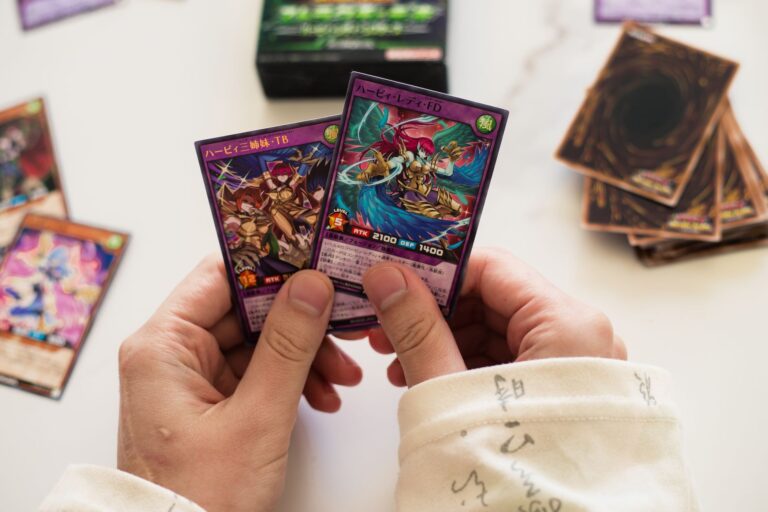
The Shrouded Fable set has emerged as the forgotten Pokémon card version finally getting serious attention from collectors and investors. Released on August 2, 2024, this set of over 95 cards was initially overlooked by the broader collecting community, but its stunning artwork quality has sparked a genuine resurgence in demand throughout 2025 and into 2026. What was once considered a middling release has transformed into a set that serious collectors are actively hunting for, particularly in higher grades.
The shift in attention to Shrouded Fable represents a broader pattern in the Pokémon card market where quality and artistic merit are increasingly driving collector interest rather than pure rarity or age. Collectors who initially passed on boxes at release are now seeking out sealed products and individual cards from the set, realizing the long-term potential they missed. This recognition serves as a reminder that not every valuable card comes from the 1990s Wizards of the Coast era—sometimes the best opportunities are hidden in more recent sets that failed to capture initial hype.
Table of Contents
- What Made Shrouded Fable’s Artwork Stand Out to Collectors?
- How the 30th Anniversary Triggered Broader Forgotten Card Recognition
- M Rayquaza EX and the Mega Evolution Resurgence
- How to Identify Forgotten Cards Before They Gain Recognition
- The Critical Importance of Card Condition in Forgotten Card Recovery
- Record-Breaking Sales Signal Shifting Market Fundamentals
- What’s Next for Forgotten Pokémon Card Versions?
- Conclusion
What Made Shrouded Fable’s Artwork Stand Out to Collectors?
The Shrouded Fable set features some of the most intricate and visually compelling artwork to appear in modern pokémon TCG releases, yet this artistic quality failed to register with collectors during the initial sales window. The set’s illustrators delivered card designs that showcase exceptional detail and composition, elements that often take time for the broader community to appreciate and value accordingly. This is distinct from sets that generate immediate buzz through chase cards or competitive playability—Shrouded Fable’s appeal came from a more subtle quality that required closer examination to recognize.
The lesson here is that artwork appreciation in the Pokémon card market operates on a different timeline than hype-driven demand. While competitive players and casual buyers made their purchases based on immediate factors, serious collectors and art enthusiasts were quietly recognizing the set’s value proposition. Today, as more people have handled and studied cards from Shrouded Fable, the artistic merit has become undeniable, driving both retail demand and secondary market prices upward for the most visually striking cards in the set.

How the 30th Anniversary Triggered Broader Forgotten Card Recognition
The Pokémon Company’s 30th Anniversary celebration on February 27, 2026, coincided with a significant resurgence in demand for overlooked and undervalued card versions across multiple eras. this milestone prompted longtime collectors to revisit sets they had dismissed years earlier and new collectors to explore the full history of the TCG. Wizards of the Coast-era cards, in particular, experienced strengthened demand as collectors sought out lightly played and raw holofil cards from the earliest releases—cards that many had underestimated in terms of long-term collectibility. However, it’s important to note that anniversary-driven interest can be volatile.
While the initial surge around February 2026 generated real buying pressure, not all forgotten cards maintain that momentum. The cards that have sustained their resurgence are those with genuine underlying appeal—either artistic quality, gameplay significance, or historical importance. Generic commons and uncommons from overlooked sets, even with anniversary hype, remain slow movers. The savvy collector understands that renewed attention is only the first phase; long-term value depends on whether the fundamentals support sustained demand.
M Rayquaza EX and the Mega Evolution Resurgence
The M Rayquaza EX card, a 25th Anniversary promotional version, has experienced a massive resurgence specifically in 2026 as collectors rediscovered the appeal of the Mega Evolution mechanic. This card exemplifies how forgotten card versions can suddenly find new relevance when game mechanics or collecting trends shift. Rayquaza’s dragon aesthetic and the nostalgic appeal of Mega Evolution mechanics have combined to create unexpected demand for a card that might have seemed like a forgotten promotional relic just two years ago.
What makes the M Rayquaza EX case particularly instructive is that the demand driver came from outside the card’s original market context. The card was never a major competitive staple or a limited-print chase card, yet the convergence of Mega Evolution nostalgia and collector interest in underappreciated artwork has transformed its market profile. This demonstrates that forgotten cards can be revitalized by changing collector preferences rather than scarcity alone, a dynamic that rewarded early collectors who maintained their holdings based on intuition rather than conventional wisdom.

How to Identify Forgotten Cards Before They Gain Recognition
Collectors looking to capitalize on forgotten card versions before they become mainstream should focus on several identifying factors: artistic quality that stands out upon close examination, thematic coherence within a set, and gaps between what professional graders have valued versus what the secondary market is pricing. Shrouded Fable is a practical example—the cards had been available for months before serious collectors began recognizing the artwork merit that had always been present but underappreciated. One practical approach is monitoring pricing trends across TCGPlayer and other marketplaces for cards that show gradual price appreciation without corresponding news or hype coverage.
Forgotten cards often gain value quietly before media attention or social media trends amplify awareness. The risk, of course, is that most overlooked cards remain overlooked for good reason—they lack the fundamentals that drive sustained demand. This is why focusing on objective quality metrics like artwork, condition, and historical significance outperforms pure speculation on which forgotten card version might be “next.” Collectors should be prepared to hold these cards for extended periods, as redemption often takes years rather than months.
The Critical Importance of Card Condition in Forgotten Card Recovery
When forgotten card versions begin gaining attention, condition becomes an increasingly important pricing factor, yet many collectors initially underestimated this dynamic. A lightly played copy of a Shrouded Fable card commands significantly higher premiums than a heavily played copy, but the difference becomes even more pronounced as market attention increases. Collectors who held played copies found their cards trailing behind higher-condition examples by 40 to 60 percent or more as serious buyers entered the market.
The warning here is essential: condition expectations in forgotten card categories shift as market awareness grows. Collectors who bought played copies at moderate prices may discover those cards appreciate more slowly than pristine or near-mint versions once mainstream attention arrives. If you’re purchasing forgotten cards in anticipation of future recognition, investing in the highest condition copies you can afford protects you against this dynamic. Additionally, even minor flaws that seemed inconsequential when a card was overlooked become more costly once serious collectors start pursuing the set, as grading services are more likely to subtract points and buyers become more selective.

Record-Breaking Sales Signal Shifting Market Fundamentals
The February 2026 sale of a Pikachu Illustrator card graded PSA 10 for $16,492,000 (purchased by Logan Paul) represented a record-breaking moment that changed how the entire Pokémon card market evaluates forgotten and overlooked versions. While this particular sale reflects the extreme rarity and cultural significance of the Pikachu Illustrator card, it reinforced a broader principle: cards that were once dismissed as overpriced or out of reach have validated their value through record-setting transactions.
This sale occurred during the exact same period that Shrouded Fable and M Rayquaza EX were experiencing their market resurgence, indicating that the entire collector base was reassessing which cards deserved serious investment attention. The market context of April 2026 shows that the 100 most expensive modern bulk Pokémon cards tracked by TCGPlayer include multiple examples of cards that seemed overlooked just 18 to 24 months prior. This data point suggests that forgotten card versions are not statistical anomalies but rather part of a predictable pattern where quality eventually translates to market recognition and pricing power.
What’s Next for Forgotten Pokémon Card Versions?
The pattern established by Shrouded Fable, M Rayquaza EX, and WOTC-era resurgence suggests that future forgotten card versions will likely follow similar recognition arcs. As collectors develop more sophisticated appreciation for artistic quality and historical context, sets that were initially dismissed for lacking competitive playability or collector hype are being re-evaluated on their own merits. This shift indicates that future forgotten cards will be identified by art enthusiasts and thoughtful investors before they become mainstream, creating windows of opportunity for collectors willing to dig deeper than surface-level market trends.
The next phase of the market will likely see forgotten card versions become an increasingly deliberate collecting strategy rather than accidental discoveries. Professional graders and market analysts are paying closer attention to which overlooked sets are gaining traction, potentially accelerating the timeline for forgotten card recognition. Collectors positioned ahead of these trends will continue to benefit, but as awareness spreads, the timeline from obscurity to mainstream acceptance continues to compress.
Conclusion
The Shrouded Fable set and related forgotten Pokémon card versions represent a meaningful shift in how collectors and investors evaluate value in the modern TCG market. What was once considered a complete marketplace miss—a set that failed to excite buyers at launch—has proven that artistic quality and long-term aesthetic appeal eventually drive demand regardless of initial market reception. The supporting evidence from M Rayquaza EX’s resurgence and the 30th Anniversary-driven recovery of WOTC-era cards demonstrates this is not a one-off anomaly but a repeatable pattern.
For collectors moving forward, the lesson is clear: overlooked cards merit serious evaluation based on fundamental qualities rather than dismissing them simply because they failed to capture initial hype. By identifying forgotten versions with genuine artistic or historical merit, maintaining them in the best condition possible, and patiently allowing market sentiment to shift, collectors can position themselves ahead of the next forgotten card resurgence. The market has proven that patience and careful curation of overlooked sets can be financially rewarding strategies.