Storage practices for Pokemon cards have genuinely improved over the past several years, driven by collector demand for better preservation methods and a deeper understanding of what damages cards long-term. Where collectors once stored valuable cards in shoe boxes or plastic sleeves without much forethought, the community now recognizes that proper storage can be the difference between a card that holds its value and one that deteriorates over time. Take the example of Shadowless Base Set cards, which have seen dramatic grading improvements when stored in acid-free sleeves and archival boxes compared to cards from the same era stored casually—some collectors have submitted previously neglected collections for grading only to discover that careful storage over recent years brought cards from poor condition to near-mint grades.
The shift reflects both improved product availability and changing attitudes about preservation. Collectors are investing in equipment like UV-blocking sleeves, climate-controlled storage solutions, and specialized card vaults that simply weren’t readily available or widely understood a decade ago. This isn’t marketing—it’s a measurable shift in how the hobbyist community approaches something fundamental to the hobby.
Table of Contents
- What Storage Improvements Are Collectors Actually Adopting?
- The Reality of Storage Improvements and Why They Still Fall Short
- Specialized Storage Solutions and What They Offer
- Best Practices for Building a Storage System Today
- Storage Mistakes That Still Happen Regularly
- The Role of Community Standardization
- Looking Forward—How Storage Continues to Evolve
- Conclusion
- Frequently Asked Questions
What Storage Improvements Are Collectors Actually Adopting?
The most visible improvement is the widespread adoption of acid-free sleeves and high-quality binders designed specifically for card storage. Previously, standard polypropylene sleeves from mass retailers were common, despite their tendency to off-gas and cause damage over decades. Now, collectors routinely use sleeves made with materials that won’t degrade or harm card surfaces, and the price premium for these materials has shrunk as demand increased and competition among suppliers grew. A collector storing a collection today has access to dragon shields, perfect fit sleeves, and archival-grade sleeves at price points that would have been unthinkable ten years ago.
Climate control and moisture management have also become mainstream concerns rather than niche interests. Collectors increasingly recognize that humidity and temperature fluctuations cause real damage—surface wear, corner rounding, and print line separation all accelerate in unstable conditions. some collectors now use silica gel packs in their storage boxes, while others have invested in dedicated card safes or climate-controlled display cases. The result is fewer cards warping or developing moisture spots before they’re ever opened or displayed.
The Reality of Storage Improvements and Why They Still Fall Short
Despite improvements, there’s a significant gap between what collectors know they should do and what they actually do, particularly among casual players and newer collectors. The upfront cost of setting up proper storage—a climate-controlled safe, archival sleeves for a large collection, custom shelving—remains substantial for many people. Someone with a collection of 500 cards might reasonably expect to spend $200 to $500 on proper storage setup, which deters casual hobbyists even though it’s cheaper than it was five years ago.
Additionally, storage improvements haven’t solved the problem of environmental damage before cards reach a collector. Cards stored poorly by distributors, retailers, or previous owners for years before acquisition can’t be restored by moving them to ideal conditions now. A PSA grader regularly sees cards that were well-preserved for five years after being damaged during the first five years of their existence. This means even excellent storage practices today can’t fully mitigate cumulative damage from a card’s entire history.
Specialized Storage Solutions and What They Offer
One of the clearest improvements is the availability of specialized storage solutions designed specifically for high-value cards. Card vaults—essentially small safes with adjustable shelving, climate monitoring, and humidity control—have become more affordable and more common among serious collectors. These aren’t luxury items anymore; they’ve become standard equipment for anyone with cards valued at more than a few hundred dollars.
A collector protecting a moderately valuable collection might use a $300 to $800 vault that monitors temperature and humidity in real time, something that would have required custom engineering or extreme expense a decade ago. Ultra-protective sleeves and cases have also proliferated, from simple one-touch magnetic holders for individual cards to full encasement options that allow viewing without handling. These products reduce the most common source of card damage—repeated handling—by making it possible to display and examine cards without touching them directly. The variety of options means collectors can choose protection levels appropriate to their collection’s value and their own habits.
Best Practices for Building a Storage System Today
An effective storage approach for valuable cards typically combines multiple layers of protection. Cards worth displaying should be in archival sleeves inside a protective case, stored in a climate-controlled environment away from direct light. For bulk collections, acid-free boxes with dividers and silica gel packs provide solid protection at relatively low cost. The key is understanding that no single product solves the problem—proper storage is a system, not a purchase.
The tradeoff for collectors is between accessibility and protection. Cards stored in a locked vault with perfect climate control are safer but harder to access or display. Cards kept in an open binder are easy to show friends or catalog, but exposed to more environmental variation and handling damage. Most serious collectors solve this by maintaining a vault for high-value pieces and secondary storage for their bulk collection or cards they handle frequently. This tiered approach balances protection with practicality.
Storage Mistakes That Still Happen Regularly
One persistent problem is improper humidity management. Collectors often assume that drier is always better, leading them to store cards in conditions that are actually too dry, which can cause brittleness and print cracking. Conversely, basements and attics—popular storage locations—often have humidity fluctuations that damage cards even when average conditions seem acceptable. The ideal range is 45-55% relative humidity, a narrow band that many home environments naturally drift in and out of without dedicated control.
Another limitation of improved storage practices is that they don’t stop all forms of damage. Cards stored in perfect conditions can still be damaged by light exposure, particularly direct sunlight or intense artificial light. UV-protective sleeves and storage cases help, but collectors who display valuable cards in lit cases sometimes watch the colors fade over years despite otherwise perfect storage. This is a slow process compared to acute damage from moisture or temperature swings, but it’s real, and even ideal storage doesn’t make it disappear entirely.
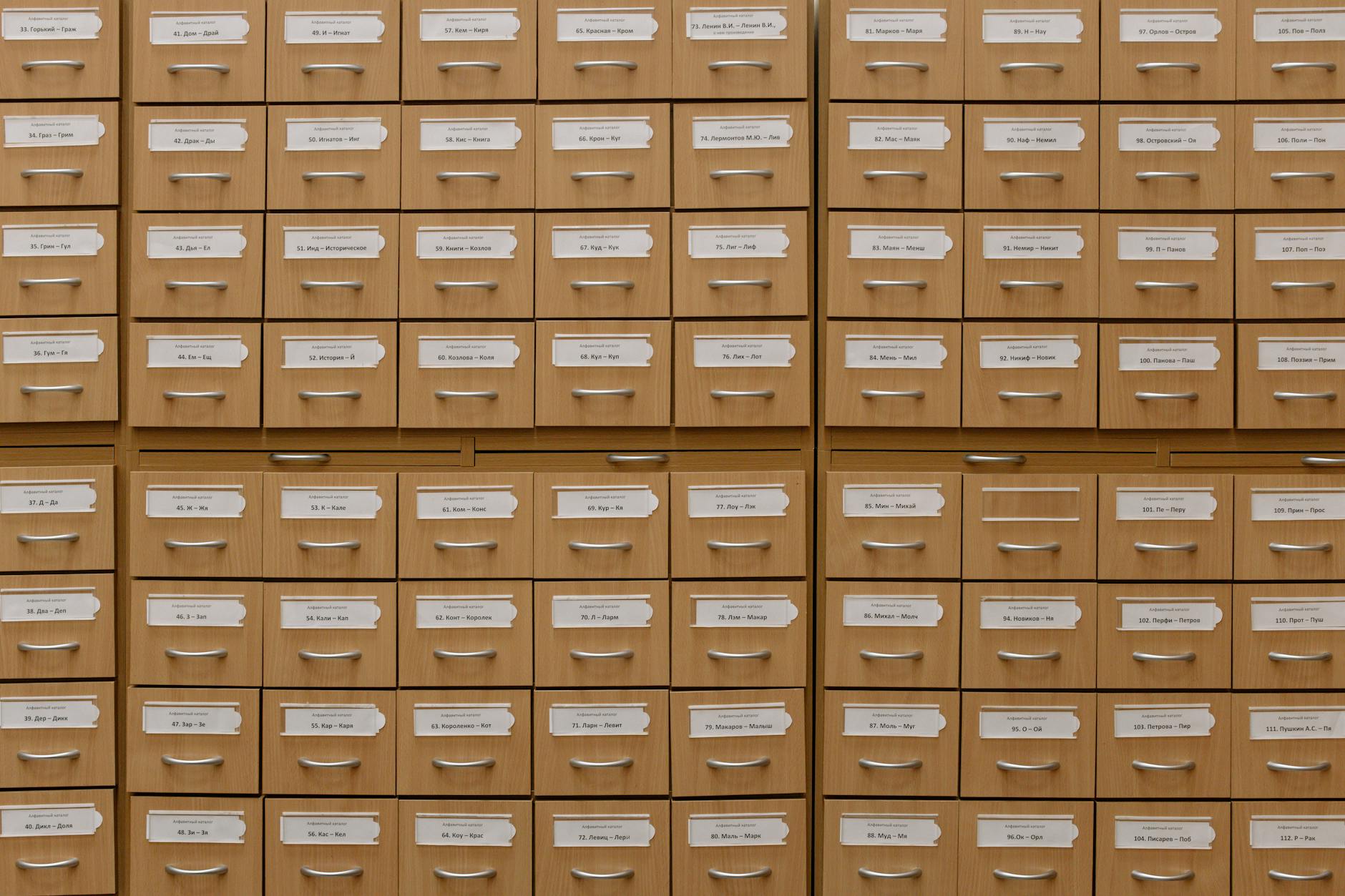
The Role of Community Standardization
Collector communities have begun standardizing their recommendations around storage practices, which has accelerated adoption of better methods. Online forums, YouTube collectors, and social media discussions frequently include storage setup tours, before-and-after grading results that highlight the impact of improved storage, and detailed guides to building storage systems.
This peer-to-peer knowledge sharing has probably done more to improve storage practices than any single product or vendor. One concrete example is the discussion around binder storage, which was once considered risky or damaging but is now understood to be acceptable for lower-value cards when done with appropriate sleeves and materials. The community settled on a consensus—certain binders are safe, certain sleeves are appropriate, certain storage conditions are acceptable—which gave newer collectors confidence to adopt practices they might have previously second-guessed.
Looking Forward—How Storage Continues to Evolve
As the Pokemon card hobby continues to mature, storage solutions will likely continue improving and becoming more accessible. We’re already seeing smart storage systems with app connectivity and real-time monitoring becoming more common, though still premium products. Within the next few years, these kinds of solutions may become standard for anyone with a collection worth over a few thousand dollars.
The broader trend is one of democratization—better storage solutions becoming cheaper, more available, and less intimidating for the average collector. Five years from now, the storage practices that today seem like best-in-class among serious collectors will probably be baseline expectations for anyone interested in preservation. That’s an improvement worth noting.
Conclusion
Storage practices have measurably improved across the collector community, driven by better products, lower costs, and increased knowledge about what actually damages cards long-term. Collectors today have access to archival-grade materials, climate control options, and specialized storage solutions at prices that are reasonable compared to the alternatives, and they know how to use them effectively. The evidence is visible in grading results, in online discussions about collection care, and in the reduced number of preventable storage-related damages seen in collections submitted for professional evaluation.
That said, improvements in available products and community knowledge haven’t fully solved the problem. Not every collector has the resources or space for ideal storage, and cards damaged before they reached their current owners can’t be fully restored. The practical takeaway is that storage practices are genuinely better now, and investing in proper storage is more worthwhile than ever—but it remains a long-term commitment rather than a one-time fix.
Frequently Asked Questions
What’s the single most important thing I can do to improve my card storage right now?
Move valuable cards to acid-free sleeves in a box or binder with dividers, stored in a stable temperature and humidity environment. This addresses the most common sources of damage without requiring significant expense.
Are plastic binders bad for cards?
Not necessarily. The material of the binder matters less than the sleeves you use inside it and the conditions where it’s stored. Modern binders with archival sleeves in stable conditions are acceptable for most collections.
How often should I check on my stored cards?
For high-value collections in climate-controlled storage, checking quarterly for visual signs of moisture or temperature fluctuations is reasonable. For bulk collections in stable basements or closets, annual checks are sufficient unless you notice environmental changes.
Does storage temperature matter more than humidity?
Both matter, but humidity control is typically more challenging and more critical. Temperature should stay relatively stable between 60-75°F, but moderate fluctuations are less damaging than humidity swings.
Can I store cards in a garage or shed?
Not reliably, unless you can control temperature and humidity tightly. Garages and sheds experience too much environmental variation for valuable cards, though they might work for bulk collections you don’t care about long-term.
What’s the difference between storage and display?
Storage prioritizes protection (darkness, stability, limited handling). Display prioritizes access and visibility (lighting, accessibility, viewing). Most collectors use storage for valuable cards and display for favorites they want to enjoy.