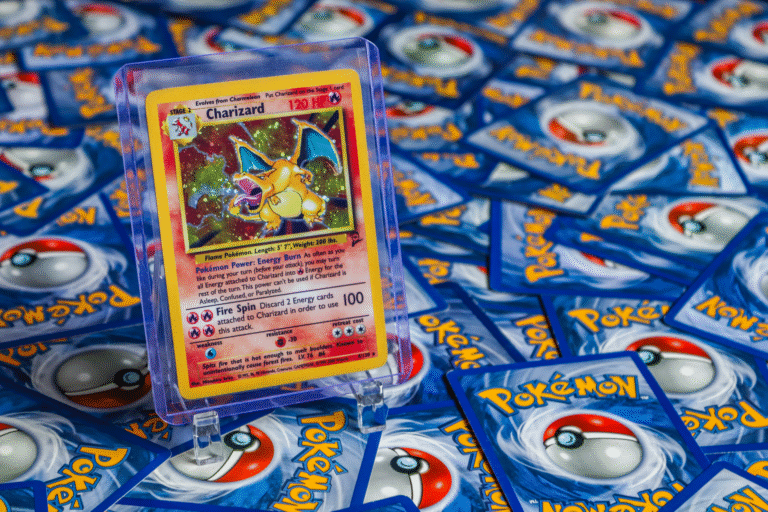
The Fossil Lapras Holo (#10) currently trades at an average market price of $17.66 USD as of March 2026, making it a moderately priced card for serious collectors and casual buyers alike. However, this single figure masks a dramatic range: the same card can sell for as little as $4.50 in poor condition or command five figures when graded as a pristine 1st Edition copy. Understanding where Fossil Lapras sits in the broader market requires looking beyond the headline price and examining the specific factors that drive its value.
For a concrete example, a Lightly Played Unlimited Holofoil Lapras #10 on TCGPlayer currently costs around $16.05, putting it within reach of budget-conscious collectors. Yet that same card, if it happens to be a 1st Edition Unlimited with a high PSA grade, could easily exceed $100 or more depending on the grade and market demand at the moment of purchase. This wide variance isn’t unusual for a popular Fossil set card—it’s the norm—and understanding pricing variations is essential before buying or selling.
Table of Contents
- Current Market Pricing for Fossil Lapras #10 Holofoil Cards
- Edition Status and Condition Grade Impact on Fossil Lapras Pricing
- Using Real-Time Price Tracking Data for Smart Purchasing
- Building a Fossil Lapras Collection at Different Budget Tiers
- Grading Certification Premium and the PSA Factor
- Monitoring Price Trends and Setting Alerts
- Future Outlook for Fossil Lapras Pricing
- Conclusion
Current Market Pricing for Fossil Lapras #10 Holofoil Cards
The Fossil Lapras Holo currently sits in a healthy price range that reflects moderate collector demand and consistent supply in the secondary market. At $17.66 average, it occupies the sweet spot between true bulk commons and high-demand chase cards from the era. Multiple pricing platforms—including the price guide, TCGPlayer, Card-Codex, PokeScope, and PokeData—track this card’s value in real time, and their consensus suggests the price is stable rather than rapidly ascending or falling.
The most important caveat: that $17.66 figure is an average across all conditions and editions currently listed. In practice, you’ll encounter much wider variation depending on where you shop and what exactly you’re buying. Budget hunters can find played copies for around $4.50 to $7.00, while collectors seeking higher condition examples should expect to spend $15.00 to $25.00 for a solid Near Mint to Mint Unlimited copy. This price structure reflects the card’s accessibility—it’s not so expensive that casual players can’t add it to a collection, but it’s not so cheap that it feels like bulk either.
Edition Status and Condition Grade Impact on Fossil Lapras Pricing
The edition and condition of a Fossil Lapras directly determine its price trajectory far more than the simple existence of a hologram does. A 1st edition copy commands a premium over its Unlimited counterpart, sometimes 40 to 80 percent higher depending on market conditions and condition grade. This is where the $9,999+ upper end of the published range enters play: a gem mint 1st Edition Lapras with a PSA 9 or PSA 10 grade becomes a legitimate investment card rather than a casual collectible.
The limitation here is that condition assessment is subjective before professional grading, and many sellers overgrade their cards. A card that looks like “Mint” in hand might receive a PSA 7 (Near Mint) once formally evaluated, costing you money on resale. This is why buying from established sellers with clear photo evidence or PSA-certified cards is worth the premium. The risk of buying an ungraded 1st Edition Lapras claiming to be Mint at $40 only to realize it’s actually a solid played copy is real and happens regularly in the market.
Using Real-Time Price Tracking Data for Smart Purchasing
Serious collectors use multiple pricing sources simultaneously to avoid overpaying for Fossil Lapras. The price guide provides a history view showing price trends over weeks and months, helping you identify whether a card is trending upward or sitting stagnant. TCGPlayer breaks prices down by seller and condition with incredible granularity—you can filter for exactly the edition and condition you want and see what dozens of current listings cost. Card-Codex and PokeScope add additional data points, and cross-referencing all four sources takes only a few minutes but can save you $5 to $15 on a single purchase.
For example, if you’re hunting an Unlimited Holo Lapras in Lightly Played condition, TCGPlayer might show you seven listings ranging from $13.50 to $21.00 from different sellers. Checking the price guide’s historical data might reveal that this card averaged $14.80 last month, suggesting the current $13.50 listing is genuinely competitive rather than a pricing error. PokeData’s data adds another dimension by showing past sales and what price points actually move inventory. The tools exist; using them well is the difference between a smart purchase and buyers’ remorse.

Building a Fossil Lapras Collection at Different Budget Tiers
A collector with $5 can own a Fossil Lapras Holo—it will be played with creases, perhaps a bend or two, but it’s legitimate. At $10 to $15, you’re in the sweet spot for a nice lightly played or heavily played Near Mint copy suitable for a display binder without apology. At $20 to $30, you can chase condition seriously, targeting solid Near Mint examples or an Unlimited copy that photographs well. Beyond $40, you’re either buying a 1st Edition or a high-grade PSA-certified card, entering the realm where Fossil Lapras becomes a portfolio holding rather than a casual collectible.
The tradeoff is always between condition premium and actual usability. A $5 played copy and a $25 Near Mint copy are the same card mechanically and can coexist in a collection. Many collectors deliberately buy lower-grade duplicates for play or display and reserve higher-grade examples as long-term holds. This strategy acknowledges that condition premiums exist but aren’t always worth paying if your primary interest is owning the card rather than its future resale value.
Grading Certification Premium and the PSA Factor
Professional grading from PSA (Professional Sports Authenticator) or BGS (Beckett Grading Services) significantly increases what Fossil Lapras commands. A PSA 8 (Near Mint-Mint) can carry a 50 percent premium over an ungraded Near Mint card, and a PSA 9 or 10 can double or triple the baseline price depending on market sentiment. This premium reflects both the authentication guarantee and the standardization of condition assessment across the hobby. However, grading carries real costs and risks.
Submitting a Fossil Lapras for PSA grading typically costs $15 to $100 depending on service level, and turn times can stretch to weeks or months during busy seasons. If you submit a card expecting a 7 and receive a 6, you’ve paid grading fees on a downgrade. The card may now be worth less than if you’d left it ungraded. This reality means casual collectors should rarely submit mid-range copies for grading—the math only works if you believe the card will grade 8 or higher and the future resale value justifies the fee. For high-value 1st Editions, grading is almost always worth considering; for $15 Unlimited copies, it usually isn’t.

Monitoring Price Trends and Setting Alerts
Collectors who want to avoid overpaying can set price alerts on multiple platforms. The price guide allows email notifications when a card drops below a target price. PokeScope and similar tools track price floors across major retailers, letting you know when bargains appear.
Over a three-month period, you’ll often see seasonal variation—prices may soften in summer when fewer players are actively collecting, then rise again as holiday shopping approaches. For Fossil Lapras specifically, watching the TCGPlayer buylist price (the price vendors pay when you sell to them) gives insight into floor value. If the buylist is near $9 to $11 and listing prices are $17 to $20, that spread represents market inefficiency and seller margins. Buying significantly above buylist price means you’re likely overpaying relative to what the market will compensate you if you ever need to liquidate quickly.
Future Outlook for Fossil Lapras Pricing
Fossil Lapras remains a staple of the base-era market and shows no signs of becoming rare or undesirable. The card is recognizable, nostalgia-driven, and present in enough collections that consistent supply should maintain. As with all vintage Pokemon cards, long-term price appreciation depends more on general hobby interest than on Lapras-specific factors.
If Pokemon collecting continues to thrive, even modest cards like Lapras should trend upward with inflation and demand. One forward-looking consideration: high-grade 1st Edition copies are finite and do appreciate over time, while played Unlimited examples will likely remain affordable entry points indefinitely. This suggests Fossil Lapras could serve collectors at multiple investment horizons—patient holders of pristine 1st Editions may see meaningful appreciation over five to ten years, while casual players can rotate the affordable Unlimited copies in and out of binders without financial consequence.
Conclusion
verified sold listings across major TCG marketplaces for Fossil Lapras Holo reveals a card with straightforward, accessible pricing anchored around $16 to $18 USD in average condition. The broader range—$4.50 to $9,999 and beyond—reflects the critical importance of edition status, condition grade, and certification. By using real-time pricing sources like TCGPlayer, the price guide, Card-Codex, PokeScope, and PokeData, you can make informed decisions rather than guessing at fair value.
The next step is deciding what role Fossil Lapras plays in your collection. Are you hunting a single copy for nostalgia? Building a Fossil set? Seeking a high-grade investment? Your answer determines which price tier makes sense and whether professional grading is worthwhile. Start with a baseline price from multiple sources, set realistic condition expectations, and avoid the common mistake of overpaying for ungraded cards claiming to be higher condition than they actually are. The market for Fossil Lapras is deep enough that patience rewards buyers—rushing into a purchase at above-market price rarely ends well.
You Might Also Like
- verified sold listings across major TCG marketplaces for Fossil Kabutops Holo
- verified sold listings across major TCG marketplaces for Fossil Hypno Holo
- verified sold listings across major TCG marketplaces for Fossil Hitmonlee Holo
Frequently Asked Questions
How much is a PSA 10 Fossil Lapras Holo worth?
Fossil Lapras Holo PSA 10 value is tracked from verified sold listings across eBay, TCGplayer, Goldin, and Fanatics Collect. Recent sales determine the current market price, which shifts month to month based on supply, condition, and demand.
Is Fossil Lapras Holo a good investment?
Long-term trend data for Fossil Lapras Holo is on this page. Vintage Pokemon cards in PSA 10 condition have historically appreciated, but performance varies by set, popularity, and grading population. Compare the monthly trend on this chart to similar cards before deciding.
Where can I see Fossil Lapras Holo sold listings?
We aggregate verified sales from eBay, TCGplayer, Goldin Auctions, and Fanatics Collect. The recent-sales section on this page shows individual transactions with date and price.