Pokémon GO’s event-driven strategy continues to successfully maintain player engagement a decade after its 2016 launch, with monthly active player counts holding steady at 50 million as of January 2026. The game’s shift toward regular, themed events—from Community Days to major festivals—has transformed the mobile gaming experience from a solitary activity into a structured calendar that pulls players back week after week. This article explores how Niantic’s event ecosystem keeps the playerbase engaged, examines the statistics behind this engagement, and looks at what’s planned for the rest of 2026.
The mechanics are straightforward: events introduce limited-time bonuses (reduced hatch distances, rare spawns, special raids), exclusive Pokémon, and seasonal narratives that give players clear reasons to play during specific windows. A Scorbunny Community Day on March 14, 2026, for example, offered 1/4 hatch distance bonuses and increased spawns of a specific species—incentives designed to pull even casual players into active gameplay for a few hours. These aren’t gimmicks; they’re the primary driver keeping 5.9 million daily active players engaged in the game.
Table of Contents
- How Pokémon GO’s Event Calendar Sustains Long-Term Player Retention
- March 2026 Events and Recent Player Engagement Patterns
- Upcoming Major Events Shaping the 2026 Calendar
- How Players Should Approach Event Participation for Maximum Value
- Common Engagement Barriers and the Reality of Solo Play
- The Card Collecting Connection—Events as Rare Spawn Drivers
- The Sustainability of Event-Driven Engagement Into 2027
- Conclusion
- Frequently Asked Questions
How Pokémon GO’s Event Calendar Sustains Long-Term Player Retention
Niantic has built a predictable event rhythm: monthly Community Days, seasonal festivals, anniversary celebrations, and major real-world gatherings. This calendar gives players a reason to reinstall the app, spend time outdoors, and compete for event-exclusive rewards. The data supports this approach—active players spend 0.5 to 2 hours daily on average, with those numbers climbing significantly during event windows. Without events, engagement would likely track closer to the 0.5-hour baseline; with them, players often hit the upper range. The psychological effect matters as much as the mechanics.
A player might open pokémon GO once a week casually, but a Community Day announcement or a new Gigantamax raid battle creates urgency. The Gigantamax Pikachu Max Battle Day on March 28, 2026, was the first-ever appearance of a Gigantamax Pokémon in the game, an event significant enough to pull returning players back temporarily. Compare this to static games without events: retention drops off sharply after the first month because there’s no reason to return. However, this event dependency cuts both ways. Players who miss a Community Day or special event window feel they’ve lost access to something permanent, which can breed frustration rather than excitement. Niantic has partially addressed this through raid rotations and eventual re-releases, but the FOMO (fear of missing out) factor is baked into the model and works more effectively on younger audiences than older players who have other commitments.

March 2026 Events and Recent Player Engagement Patterns
March 2026 featured three significant events: the Pokémon 30th Anniversary event (March 3-9), Scorbunny Community Day (March 14), and the Gigantamax Pikachu Max Battle Day (March 28). Each served different purposes—the anniversary event celebrated the broader Pokémon franchise and featured Kanto region Pokémon with special GO Pass raids, while Community Day focused on a single species with evolution bonuses, and the Gigantamax event introduced a new raid mechanic tied to all Power Spots across the map. These events work in sequence, creating a staggered engagement pattern that spreads activity across the entire month. A player might engage heavily on March 14 for the Community Day, take a break mid-month, then return for the Gigantamax event. This spacing prevents burnout while maintaining the game in players’ routines.
The 5.9 million daily active players count as of March 27 represents a sustained baseline, likely boosted by the back-to-back events earlier in the month. The limitation here is geographic variation. GO Fest Chicago 2026, scheduled for June 5-7, caps attendance at 40,000 players daily—an enormous draw, but still only a fraction of the 50 million monthly player base. Players in rural or underserved regions often experience watered-down events because raid participation requires multiple players in proximity. A rural player might experience the Gigantamax Pikachu event as a collection of raids they cannot complete solo, while urban players in metropolitan areas find raid groups easily through community Discord channels.
Upcoming Major Events Shaping the 2026 Calendar
The second half of 2026 is already structured around major events, starting with Sustainability Week (April 14-20) celebrating Earth Day, followed by GO Fest Chicago (June 5-7) with its new open-footprint format and return to Grant Park for the first time since 2019. These aren’t minor celebrations; GO Fest alone drives months of conversation, planning, and preparation within the community. Players begin discussing team strategies, optimal routes through Grant Park, and which raid encounters to prioritize weeks in advance. Pokémon GO Tour: Kalos Global 2026 represents another major milestone—a global event focused on Pokémon from the Kalos region. These “tour” events typically require paid special research passes (though free-to-play components exist), creating revenue alongside engagement.
The tour format is Niantic’s evolution of the GO Fest model, spreading the event globally instead of concentrating it in a single city. This inclusivity matters: players who can’t attend Chicago can still participate in a full-featured event from their local area. The challenge is content fatigue. A player might feel exhausted by constantly cycling through events and missing exclusives, especially if real-life obligations prevent attendance at major events like GO Fest. Additionally, global events often favor players in time zones where spawns happen during daylight hours; players in certain regions experience the same event at midnight, making participation impractical.

How Players Should Approach Event Participation for Maximum Value
For casual players, the strategy is selective engagement: focus on Community Days and the major quarterly festival events, skip the smaller themed weeks unless a specific Pokémon is a personal priority. This approach requires maybe 10-15 hours monthly of gameplay and captures the vast majority of exclusive content. Competitive players, in contrast, might attend GO Fest Chicago in person, participate in every community day, and grind raids during Gigantamax events—potentially 20+ hours weekly. The tradeoff is time versus exclusivity.
A player who misses Scorbunny Community Day loses the chance to catch Scorbunny with its exclusive moveset, along with the hatch distance bonus. However, Scorbunny will likely return in future events or raids within a year or two; it’s not permanently locked away. Niantic has learned that permanent exclusives breed too much frustration, so most event Pokémon cycle back eventually. Planning around this means newer players don’t face an impossible deficit compared to players who were active in 2022.
Common Engagement Barriers and the Reality of Solo Play
Not all players can engage equally during events. The requirement for raid participation during events like Gigantamax Pikachu assumes access to local raid groups or multiple devices to multi-account. Rural players often cannot complete these raids solo, creating a two-tier experience: urban players enjoy full event features, rural players see the same event but with limited practical access to rare raid encounters. Niantic has introduced remote raid passes (payable with premium currency), which help but don’t fully solve the geographic disparity.
Another barrier is the premium currency model. GO Fest Chicago requires advance purchase of a ticket (approximately $15 digital ticket plus potential merchandise and food costs). While free-to-play players get a scaled-down experience of the same event globally, the full experience is locked behind a paywall. This isn’t exploitative by modern standards, but it does mean the wealthiest, most engaged players get the best event content and exclusive Pokémon. A player with $100 to spend on premium passes and raid passes will encounter far more raid legendaries than a free-to-play player spending nothing.

The Card Collecting Connection—Events as Rare Spawn Drivers
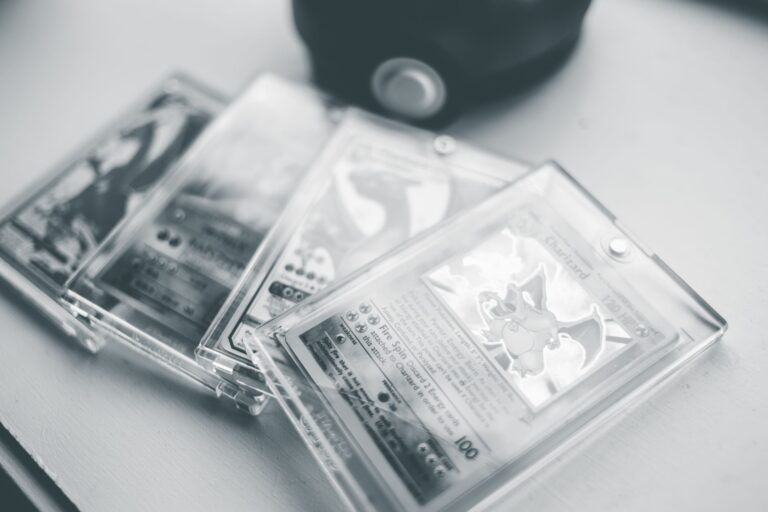
For players who also collect Pokémon TCG cards, Pokémon GO events create collecting urgency. Scorbunny’s community day presence in the mobile game can motivate purchasing the Scorbunny Pokémon TCG cards that Pokémon Company released alongside the event. There’s a feedback loop: the mobile game drives interest in a specific species, spurring card purchases, which then drives the species’ value in the secondary market.
A card that spiked in popularity after a featured GO event might have held its price better than cards tied to less-prominent Pokémon. This connection is strongest for newer players who are building both a digital and physical Pokémon collection simultaneously. A player who discovers Scorbunny through its March 14, 2026 Community Day might seek out Scorbunny cards to build a complete collection. The reverse is also true: players with nostalgia for Kanto region cards might re-engage with Pokémon GO during the March 30th Anniversary event because the mobile game featured their favorite childhood Pokémon.
The Sustainability of Event-Driven Engagement Into 2027
Pokémon GO’s event strategy has proven sustainable for a decade, but the question remains: how much longer can Niantic rotate the same Pokémon, regions, and event types before players see diminishing returns? The 50 million monthly active players represent a decline from the 2016 peak of 232 million, but that decline has stabilized—the game isn’t losing players rapidly anymore. Events are the primary mechanism holding this baseline steady. Looking forward, Niantic’s focus on new mechanics (Gigantamax battles), real-world gatherings (GO Fest expansion), and regional tours (Pokémon GO Tour: Kalos) suggests they’re iterating on the event formula rather than replacing it.
The 2026 calendar is packed with planned events, indicating confidence in this model. For players, the implication is clear: Pokémon GO’s future depends on events. Casual engagement without events will likely remain low (0.5 hours daily), but events will continue pulling millions back into active play, maintaining the game’s position as one of the most successful mobile franchises ever launched.
Conclusion
Pokémon GO events are the engine of sustained player engagement, turning a single-play-style game into a structured, seasonal experience with regular reasons to return. With 50 million monthly active players and 5.9 million daily active players, the statistics prove the model works. Whether it’s a Community Day, a regional GO Fest, or a global Pokémon GO Tour, these events are the primary drivers of retention and the social connectors that keep the Pokémon GO community active.
For players deciding whether to invest time in Pokémon GO in 2026 and beyond, the advice is straightforward: the game’s value proposition lives in its events. Players who align their gameplay with the event calendar will find consistent engagement opportunities, competitive play, and exclusive Pokémon encounters. Those who expect rewarding daily gameplay without event windows will likely find the experience shallow. The calendar for 2026 is robust—Sustainability Week, GO Fest Chicago, and Pokémon GO Tour: Kalos Global are all significant draws—making this a strong year to engage with the game.
Frequently Asked Questions
Do I have to spend money to fully enjoy Pokémon GO events?
No. Free-to-play players can participate in Community Days, most raid events, and scaled-down versions of global events without spending money. However, players with premium currency (Pokécoins) can buy raid passes, special research tickets, and incubators that accelerate progress during events. Spending money isn’t required but does unlock the most time-efficient event participation.
Can I get event-exclusive Pokémon if I miss the event window?
Usually, yes—but with delays. Pokémon featured in events typically return in future raid rotations, research tasks, or seasonal re-runs within 6-12 months. The exclusive moveset from an event (like Scorbunny’s Community Day move) is harder to obtain after the fact, sometimes only reappearing in limited-time windows. Missing an event is not a permanent loss, but it does delay access.
Is Pokémon GO still worth playing in 2026 given the decline from its 2016 peak?
If you enjoy outdoor activity, Pokémon, and casual social gaming, yes. The 50 million monthly active players and consistent event calendar indicate the game has found its sustainable audience. However, if you’re seeking a rich single-player narrative or complex gameplay mechanics, Pokémon GO remains shallow. It’s a social, location-based experience, not a narrative RPG.
How does GO Fest Chicago’s 40,000 daily attendance cap affect my ability to participate?
If you cannot travel to Chicago, you’re not affected—Pokémon GO Tour: Kalos Global 2026 offers a worldwide event experience with similar content. If you want to attend GO Fest Chicago, book in advance because the 40,000 cap is per day, and the first day typically sells out. Missing GO Fest is not missing the year’s content; it’s missing one major event among many.
Which 2026 events should I prioritize if I only have limited time?
Prioritize Community Days (monthly, 3-hour windows, minimal planning required) and GO Fest Chicago if you can travel (once-yearly, immersive experience). Skip smaller themed weeks unless they feature a Pokémon you specifically collect. This approach captures 80% of exclusive content with roughly 15 hours monthly engagement.