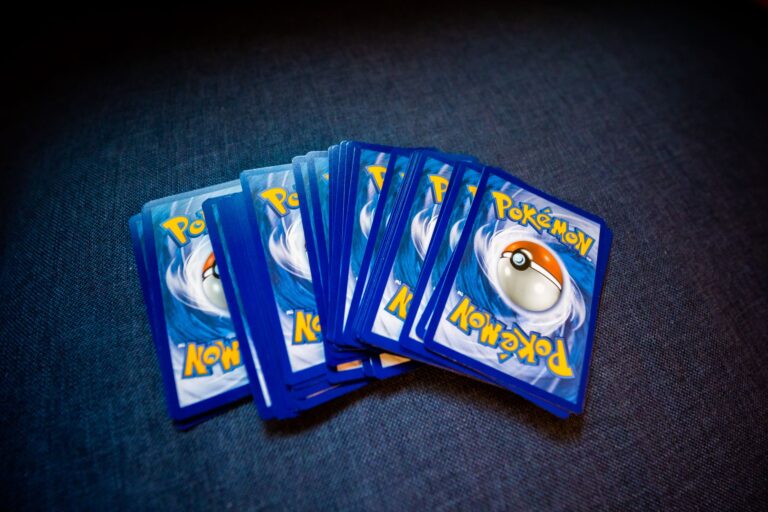
Once a Pokémon card leaves its slab, document it as raw or ungraded and treat the slab grade only as part of its history. Save the certification record and photograph or film the intact holder, the entire removal, and the card's condition immediately afterward. No specific card, grading company, certification number, or removal event is identified here, so the card's individual history cannot be verified. A certification lookup also cannot prove that a loose card is the same one formerly sealed inside the holder.
Table of Contents
- What changes when the slab is opened?
- Preserve the slab record before removal
- Record the removal and raw condition
- Build a clear raw-status record
- How to list or submit the card
What changes when the slab is opened?
A slab is a sealed grading-company holder. After removal, the card no longer has a certified condition rating attached to its current physical state. StockX accordingly defines an ungraded single as a card without a certified condition rating or grading case.
Describe the card as "raw, formerly graded," not "graded." For example: "Raw card; previously housed in a PSA 8 holder" distinguishes its present status from its grading history. The old grade remains useful evidence, but it is not a guaranteed raw grade. Beckett says cards removed from existing holders are graded again for re-encapsulation, and the new grade may increase, decrease, or remain unchanged.
Preserve the slab record before removal
Save the grading-company lookup page before opening the holder. Record the company, certification number, card identity, set, year, recorded grade, qualifiers, and any available population or image information.
PSA certification results can show the card, grade, certification number, and sometimes front-and-back images. However, PSA warns that database verification does not eliminate counterfeit risk or warrant that a listed item is genuine. Create a dated evidence folder containing:.
- Screenshots or a PDF of the certification result
- Clear front and back photographs of the intact slab
- Close photographs of the label and certification number
- Images showing the holder's seals and overall condition
- The date, owner, and reason for removal
Record the removal and raw condition
Use continuous video when possible. Begin with the unopened slab and readable label, show both sides, keep the holder and card in frame during removal, and finish with the raw card's front and back. Then photograph the card under even lighting.
Capture the entire front and back, followed by close views of all corners, each edge, and the surface from angles that reveal scratches, dents, print lines, or creases. Do not rely on the former grade to describe present condition. Record what the images actually show, including any damage discovered after opening and any damage that may have occurred during removal. Removing a CGC holder also eliminates CGC's guarantee for that card.
Build a clear raw-status record
Keep the documentation in chronological order so another collector can understand what happened without guessing. A concise record might read: If the label and broken holder remain available, photograph them beside the card without suggesting that the loose card is still certified. Never alter the label, certification screenshot, or images to hide conflicting details.
- Current status: Raw or ungraded
- Former holder: Grading company and recorded grade
- Certification number: Full number
- Removal date: Exact date, if known
- Removal evidence: Continuous video, photographs, or neither
How to list or submit the card
A sale listing should lead with the card's present status. State that it is raw, disclose that it was removed from a slab, identify the former grade as historical, and describe visible defects separately. A useful listing statement is: "Raw Pokémon card, formerly graded PSA 8 under certification number [number].
Removed from the holder on [date]. The prior grade is historical and does not represent a current certification." Choose the marketplace condition category that matches the card rather than converting the old numerical grade into a raw condition claim. If submitting the card again, provide the old certification information as provenance but expect the grading company to make a new assessment.