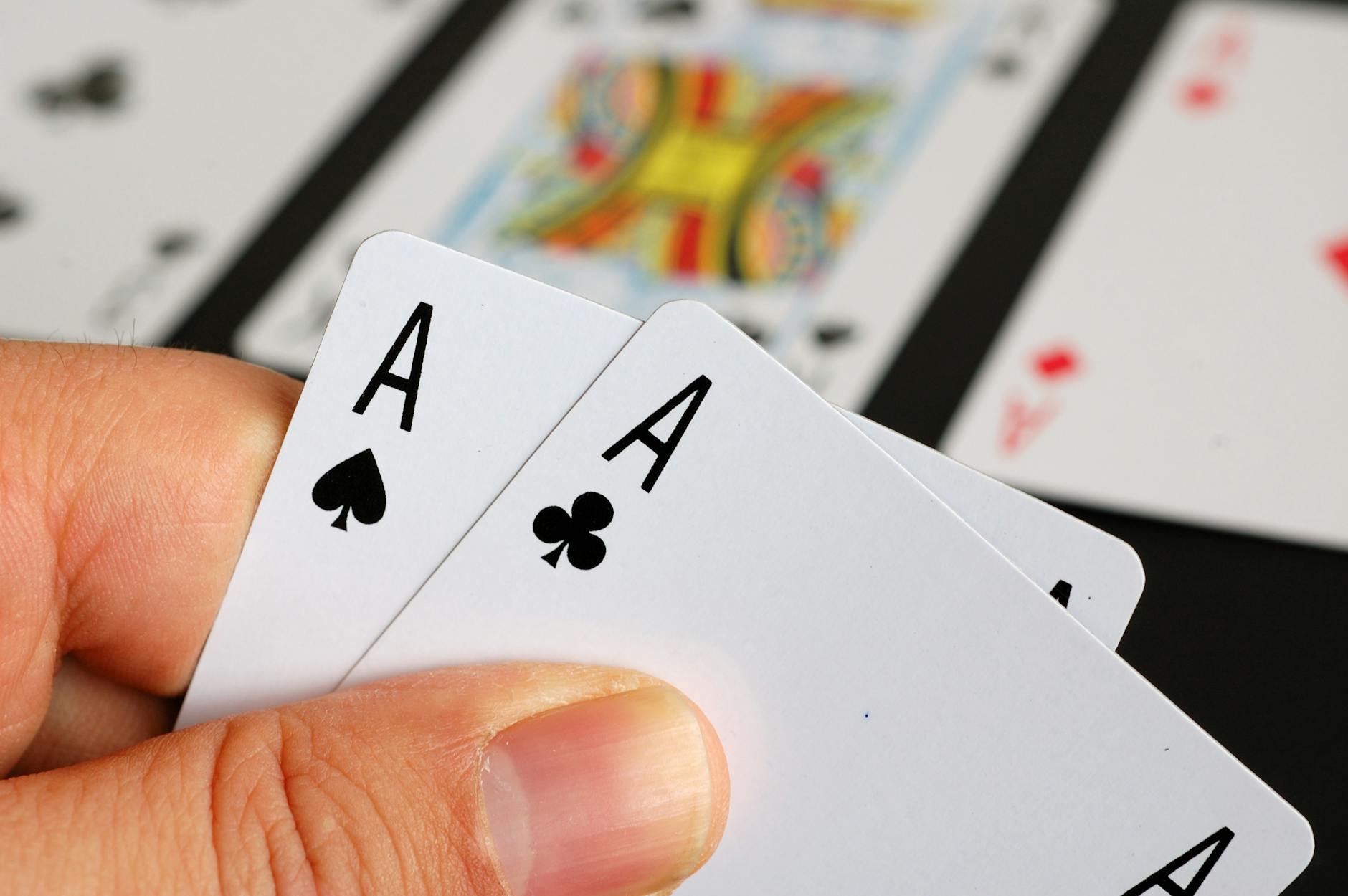
Flipping Pokémon cards is still profitable, but the easy-money era that defined the pandemic boom is over. The market has cooled significantly from its 2020-2021 highs, when sealed product and vintage cards were appreciating so fast that almost anyone could buy, hold for a few weeks, and sell at a markup. That kind of effortless arbitrage has largely dried up. What remains is a more normalized collectibles market where profit is still very much possible, but it demands more knowledge, patience, and selectivity than it did during the speculative frenzy. A collector who bought a base set Charizard PSA 9 near the peak of the hype, for instance, likely watched its value drop by half or more in the correction that followed.
Someone who bought the same card years earlier, or who picked it up after the correction settled, is in a very different position. The short answer is that the Pokémon card market did not crash in the catastrophic, permanent sense. It corrected. Prices on many cards and sealed products pulled back substantially from their speculative peaks, but the market has shown signs of stabilizing at levels that are still well above where things stood before the boom began. Flipping remains viable for people who treat it like a real hustle rather than a guaranteed money printer. This article breaks down what happened to the market, which segments still offer margins, the risks you need to account for, and how to approach flipping in the current landscape without getting burned.
Table of Contents
- Did the Pokémon Card Market Actually Crash, or Just Correct?
- Which Pokémon Cards and Products Still Have Flip Margins?
- How Grading Affects Profitability for Pokémon Card Flippers
- Buying Low and Selling Smart — Practical Strategies for Current Market Conditions
- Common Mistakes That Kill Pokémon Card Flipping Profits
- The Role of Pokémon TCG Playability in Card Values
- Where Is the Pokémon Card Market Heading?
- Conclusion
- Frequently Asked Questions
Did the Pokémon Card Market Actually Crash, or Just Correct?
The word “crash” gets thrown around loosely, and it matters to distinguish between a crash and a correction. A crash implies the bottom fell out and value was destroyed in a way that suggests the market may not recover. What happened with pokémon cards is more accurately described as a correction following a speculative bubble. During 2020 and 2021, a combination of pandemic boredom, stimulus money, youTube hype from creators like Logan Paul, and a wave of nostalgia-driven demand sent prices to levels that were disconnected from historical norms. When that speculative energy faded, prices came back down, sometimes sharply. Certain modern sealed products that were selling for three or four times retail dropped back to near-retail or below. Vintage cards that had been bid up by newcomers settled to levels that still reflected genuine collector demand but no longer reflected panic buying. The correction hit different segments unevenly. Modern sets, which are printed in enormous quantities, were among the hardest hit because supply eventually caught up with demand. The Pokémon Company ramped up production in response to the boom, and retailers restocked shelves that had been bare for months.
Vintage cards, particularly those in high grades from early sets, held their value better because supply is genuinely fixed. A first edition base set Blastoise is never getting reprinted. But even within vintage, cards that had been pushed to absurd premiums during the peak saw pullbacks. The key point is that the floor held. The market did not collapse to pre-2019 levels. It recalibrated. For flippers, this distinction matters because it means the market is not dead. It is simply less forgiving. During the boom, you could buy almost anything Pokémon-related and expect it to go up. In the current market, you need to know what you are buying, what it is actually worth, and who your buyer is before you commit capital.

Which Pokémon Cards and Products Still Have Flip Margins?
Not all segments of the Pokémon card market offer the same opportunity, and treating the market as a monolith is a fast way to lose money. Broadly, the segments worth paying attention to for flipping purposes include limited-run sealed products, vintage singles in desirable grades, and select chase cards from newer sets. The products to be cautious about are anything that is readily available at retail, anything that was massively overprinted, and anything whose value is driven purely by short-term hype rather than genuine scarcity or collector demand. Sealed product from special sets or limited releases can still offer margins, particularly if you are able to buy at retail pricing and sell after the product goes out of print. However, this strategy requires patience. The Pokémon Company has been more aggressive about print runs in recent years, which means the window between a product leaving shelves and becoming genuinely scarce has lengthened.
If you are sitting on cases of a set that got reprinted multiple times, your timeline to profitability could stretch from months to years. Vintage singles remain one of the more reliable areas for margins, but the barrier to entry is higher. You need enough knowledge to grade condition accurately, enough capital to buy cards worth flipping, and enough market awareness to avoid overpaying. A PSA 8 jungle set Flareon is a very different proposition than a PSA 10 first edition base set card, both in terms of capital required and potential return. The warning here is straightforward: if you are flipping modern product bought at above-retail prices, your margin of safety is thin. If a set gets another print wave or demand softens, you can find yourself underwater quickly. The flippers who are still making consistent money tend to be the ones buying at or below retail, understanding the grading market, or identifying undervalued vintage singles before broader demand catches up.
How Grading Affects Profitability for Pokémon Card Flippers
Grading is one of the most powerful tools in a flipper’s arsenal, but it is also one of the easiest ways to lose money if you do not understand the economics. The basic proposition is simple: a raw card in excellent condition might sell for a certain amount, and that same card in a PSA 10 or CGC 10 slab could sell for multiples of that price. The difference between those two numbers, minus the cost of grading, shipping, and selling fees, is your profit. The problem is that the grading outcome is uncertain, and the spread between grades can be enormous. Take a modern chase card, something like an alternate art from a recent set. A raw copy in near-mint condition might sell in a certain range. A PSA 10 of the same card could command a meaningful premium. But if that card comes back as a PSA 8 or 9, the slabbed value might barely exceed what you paid raw plus grading fees. You have effectively spent money and time to break even or lose.
This is the grading gamble, and it is the reason experienced flippers are selective about what they submit. Cards with high centering, clean surfaces, and sharp edges are candidates. Cards with any visible flaws are better sold raw. Grading costs and turnaround times also eat into margins. PSA, CGC, and Beckett all offer different service tiers at different price points. Economy services are cheaper but can take months. Express services are faster but the fees cut deeper into your profit. For flippers working with modern cards where the premium for a 10 might be modest in dollar terms, grading fees can represent a significant percentage of the potential profit. This is less of an issue with high-value vintage cards where the raw-to-graded spread is much wider.

Buying Low and Selling Smart — Practical Strategies for Current Market Conditions
The most reliable flipping strategy in any market condition is buying below market value and selling at or near market value. That sounds obvious, but execution requires discipline and sourcing skills. The best margins typically come from local sourcing rather than online arbitrage. Estate sales, garage sales, flea markets, local card shops doing clearance, and individual sellers on platforms like Facebook Marketplace or Craigslist are where flippers find the steepest discounts. Someone selling their childhood collection often has no idea what individual cards are worth and will accept a bulk offer well below cumulative market value. Online arbitrage is harder because the market is more efficient. eBay sold listings, TCGPlayer market prices, and various price tracking tools mean that most online sellers have at least a rough idea of what their cards are worth. The margins are thinner, and the competition is stiffer. That said, opportunities do appear.
Mispriced listings, auctions ending at odd hours, and sellers who need quick cash all create windows. The tradeoff is time. You can spend hours scouring listings to find one or two underpriced cards, and the hourly return on that time investment may not be impressive. Selling platform choice also matters for profitability. eBay takes roughly thirteen percent in combined fees. TCGPlayer has its own fee structure. Selling locally through meetups or card shows eliminates platform fees but limits your buyer pool. Some flippers use a combination: high-value cards go on eBay or to auction houses for maximum exposure, while mid-range cards are moved locally or through Discord communities where fees are lower. Each channel has tradeoffs between reach, speed, and cost, and the right mix depends on what you are selling and how quickly you need the cash.
Common Mistakes That Kill Pokémon Card Flipping Profits
The most common mistake new flippers make is buying based on hype rather than fundamentals. When a new set drops and social media is buzzing about a particular card, the immediate aftermarket price is almost always inflated. Buying a chase card in the first week of release and expecting to flip it at that price or higher is usually a losing bet. Prices on newly released cards tend to decline as more product is opened and supply increases. The smart move is often to wait for the initial excitement to fade and buy when prices have settled, then hold for a longer-term appreciation play if the card has genuine staying power. Another profit killer is ignoring fees and overhead.
Platform selling fees, shipping materials, grading costs, gas for local sourcing trips, and the time you spend listing, packaging, and shipping all eat into your margins. A card you bought for twenty dollars and sold for thirty might feel like a ten-dollar profit, but after eBay fees, shipping supplies, and the time you spent photographing, listing, and mailing it, the actual profit could be negligible. Successful flippers track their costs meticulously and set minimum margin thresholds below which a flip is not worth their time. A subtler mistake is overexposure to a single product or segment. Loading up on cases of one set because you believe it will appreciate is a concentrated bet. If that set gets an unexpected reprint, or if demand shifts to a different product, you are stuck with inventory that is losing value. Diversification across product types, eras, and price points reduces the risk of any single market shift wiping out your margins.
The Role of Pokémon TCG Playability in Card Values
One factor that casual flippers often overlook is the competitive Pokémon TCG scene. Cards that are powerful in the current tournament meta can command prices well above what their collectibility alone would justify. When a card becomes a staple in winning decklists, competitive players drive demand and prices spike.
This creates flipping opportunities for people who follow the meta closely enough to anticipate which cards will see increased play. For example, when rule changes or new set releases shift the competitive landscape, previously overlooked cards can suddenly become must-haves. The flip side is that rotation, when older sets cycle out of the standard format, can tank the playability-driven portion of a card’s value almost overnight. Flippers working this angle need to be aware of rotation schedules and sell before the demand window closes.
Where Is the Pokémon Card Market Heading?
Predicting the future of any collectibles market is inherently uncertain, but there are structural factors worth considering. The Pokémon brand itself remains one of the strongest intellectual properties in the world, with ongoing video game releases, a global competitive scene, and deep generational nostalgia. That underlying demand is not going away. The question is whether the market stabilizes at current levels, continues to slowly appreciate, or faces another correction if economic conditions tighten and discretionary spending on collectibles contracts.
One trend worth watching is the Pokémon Company’s approach to print runs and product releases. Higher print volumes keep modern product affordable for players and casual collectors but limit the upside for flippers. Conversely, truly limited releases and collaboration products tend to hold and gain value more reliably. The flippers who will do best going forward are likely those who understand these dynamics, maintain discipline about what they buy and at what price, and treat the activity as a skill-based endeavor rather than a speculation game. The gold rush phase is over, but there is still gold in the hills for people willing to work for it.
Conclusion
Flipping Pokémon cards is not dead, but the landscape has changed fundamentally from the pandemic-era boom. The market corrected from its speculative highs, and the days of buying anything with a Pikachu on it and expecting easy profit are behind us. What remains is a collectibles market with real depth and real demand, but one that rewards knowledge, patience, and discipline over blind speculation.
The most profitable flippers today are the ones who understand grading economics, source inventory below market value, track their costs honestly, and diversify across market segments rather than betting everything on one product. If you are considering getting into Pokémon card flipping or trying to decide whether to continue, the key question is whether you are willing to treat it as a skill to develop rather than a lottery ticket. Learn the market segments, understand what drives value in vintage versus modern versus competitive cards, and be honest about your time and cost inputs. The opportunity is still there, but it belongs to the informed and the patient, not the impulsive and the hopeful.
Frequently Asked Questions
Is it still worth grading Pokémon cards for resale?
It depends on the card. Grading is worth it when the price difference between a raw card and a high-grade slab significantly exceeds grading fees and shipping costs. For modern cards with modest premiums, the math often does not work unless you are confident in a PSA 10 or equivalent. For vintage cards with large raw-to-graded spreads, grading remains one of the best ways to unlock value.
What is the best platform to sell flipped Pokémon cards?
eBay offers the largest audience but takes roughly thirteen percent in fees. TCGPlayer is strong for singles and attracts buyers who know what they want. Local selling through card shows, Facebook groups, or meetups eliminates fees but limits your reach. Most successful flippers use a mix depending on the card’s value and how quickly they need to sell.
How much money do I need to start flipping Pokémon cards?
You can start small by sourcing underpriced cards locally or buying collections from individual sellers. A few hundred dollars is enough to get started, though your returns will be modest at that scale. The key is reinvesting profits and gradually increasing your working capital as you learn which segments offer the best returns for your skill level and time investment.
Are modern Pokémon sets worth investing in for long-term flipping?
Modern sets are tricky because print runs are large and reprints are common. However, select products with genuinely limited runs, special collaborations, or unique card types can appreciate once they go out of print. The challenge is identifying which products will become scarce versus which will remain readily available. Historically, special sets and premium collections have fared better than standard booster boxes.
Did vintage Pokémon card prices crash too?
Vintage prices pulled back from their speculative peaks but generally held up better than modern product because supply is fixed. No one is printing more first edition base set cards. High-grade vintage cards from popular sets remain among the most stable segments of the market, though they require significant capital to enter and are not immune to broader market corrections.
How do I avoid buying fake Pokémon cards when sourcing for flips?
Familiarize yourself with the physical characteristics of genuine cards, including card stock feel, the black layer visible on the edge of a torn card, font consistency, and holo pattern accuracy. Buy from reputable sources when possible, and be especially cautious with high-value vintage cards where counterfeiting incentives are strongest. When in doubt, compare suspect cards side by side with known authentic copies.
You Might Also Like
- How Much Can You Actually Make Flipping Pokémon Cards in 2025
- Why Pokémon Cards Spiked During COVID and What Happened After
- What Are Print Lines on Pokémon Cards and Do They Matter?