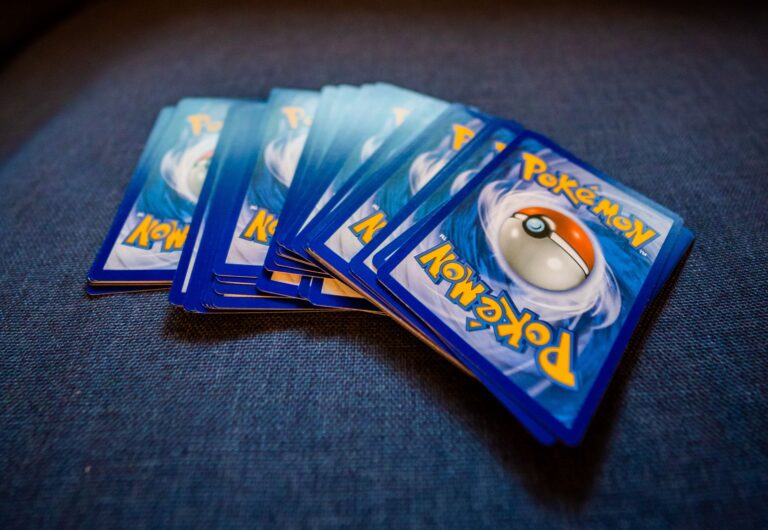
A Mint Base Set Full Heal is not a smart investment buy post-pandemic, despite the overall recovery in Pokémon card markets. Full Heal is a trainer card—a non-holographic common with limited demand compared to the holographic Pokémon cards that drive investment returns. While the broader Base Set market has surged 145% since March 2025, with the Card Ladder Pokémon Index up 116% over the past year, a trainer card like Full Heal won’t benefit from that momentum. The distinction matters: you’re not buying an asset with scarcity-driven appreciation; you’re buying a commodity that’s abundant in the market at every condition level.
That said, context determines value. If you’re completing a collection or need the card for a deck, acquiring a Mint copy at current prices may make sense. But if you’re viewing this as a post-pandemic investment opportunity—the kind that turned a graded PSA 10 Base Charizard into a £20,000+ card at the peak—Full Heal isn’t the card to target. The pandemic cycle taught collectors that rarity and visual appeal separate winners from dead weight, and Full Heal falls squarely in the latter category.
Table of Contents
- How Has the Pokémon Card Market Recovered Since the Pandemic Crash?
- Why Trainer Cards Like Full Heal Don’t Perform Like Pokémon Holographics
- Does Condition and Grading Make Full Heal Worth Buying?
- Collecting Versus Investing: Which Lens Should You Use?
- Pricing Volatility and Where to Actually Buy
- Lessons from the Pandemic Peak and Crash
- Future Outlook and Better Alternative Investments
- Conclusion
How Has the Pokémon Card Market Recovered Since the Pandemic Crash?
The Pokémon card market bottomed out in late 2022 after a brutal correction that wiped 50-70% off pandemic-peak prices. A PSA 10 base Charizard that sold for £20,000 in early 2021 plummeted toward £6,000-£8,000 by 2023. Since March 2025, though, the recovery has been sharp: the overall market has climbed 145%, and January 2026 data showed average Pokémon card prices up 46% year-over-year alone. Consumer spending hit $450 million in January 2026, a single month, suggesting renewed collector appetite and confidence.
This recovery validates the long-term case for vintage Base Set cards. Data from May 2004 to present shows Base Set cards appreciated roughly 6,208% in value—dwarfing the S&P 500’s 521% return over the same period. But this metric is misleading if you own commodity trainer cards. That 6,208% appreciation flows to holographic Pokémon, first editions, shadowless variants, and PSA-graded specimens. Trainer cards like Full Heal rode the wave up and down but never commanded the premiums that powered returns.

Why Trainer Cards Like Full Heal Don’t Perform Like Pokémon Holographics
Full Heal is a trainer card without a holographic finish, which places it in a completely different pricing tier from cards that collectors actually chase. Compare it to Base Set Charizard (holographic, iconic Pokémon) or even a Base Set Venusaur (holographic, first-edition). Those cards have visual appeal, gameplay utility in older formats, and emotional resonance. Full Heal? It’s a healing item that fills utility slots in any deck, printed with a simple illustration and standard borders. Multiply that card across millions of copies in circulation, and scarcity vanishes.
The caveat: current retail prices for Mint Full Heal aren’t widely published in mainstream price guides, which itself signals the lack of investment demand. Check TCGPlayer or CardTrader for real-time listings and you’ll see why—most sales are bulk lots or sub-$5 transactions. A Mint copy might fetch $2-$8 depending on the marketplace and grading verification. Compare that to a Mint Base Set Charizard at five or six figures, and the gap becomes obvious. Trainer cards have never been the engine of Pokémon market returns. They’re filler in collections and bulk purchases.
Does Condition and Grading Make Full Heal Worth Buying?
Condition matters enormously in Pokémon collecting, but it matters less for commodity cards than for rare ones. A Mint (PSA 9) or Gem Mint (PSA 10) Full Heal is technically higher quality than a Lightly Played version, but the absolute value gap is small—perhaps $1-$3 difference rather than the $50,000+ gaps you see between graded Base Charizard tiers. Professional grading (PSA, BGS, CGC) adds credibility and liquidity but increases costs through grading fees ($10-$30+ per card), which eat into already-thin margins on cheap cards.
The limitation here is real: unless you’re pursuing a complete Mint-grade Base set collection (a goal pursued by perhaps 1% of the collecting community), grading Full Heal doesn’t create resale value proportional to its cost. A raw Mint card, authenticated by a trusted seller’s reputation or photos, serves the same purpose at a fraction of the expense. Save professional grading for the cards where it unlocks serious upside—holographics, first editions, shadowless variants, and condition-sensitive Pokémon cards where the gap between PSA 8 and PSA 10 can mean thousands of dollars.
Collecting Versus Investing: Which Lens Should You Use?
The post-pandemic market has sharpened the divide between collectors and investors. Investors hunt the cards with proven appreciation and liquidity: Base Set holographic Pokémon, especially Charizard and Blastoise; first-edition copies; shadowless variants; and cards graded PSA 9-10. Collectors, by contrast, fill gaps in their sets and pursue visual appeal or nostalgia. These two camps coexist in the same market but operate under different logic.
If you’re a collector completing a Base Set, buying a Mint Full Heal is rational—it fills a slot and you’ll use or display it. If you’re an investor evaluating post-pandemic opportunities, Full Heal is a poor allocation. Your capital appreciates faster in holographic Base Set commons (like Pikachu or Mewtwo at high grades) or uncommons than in a trainer card. The tradeoff is volatility: holographics can drop in value during market corrections, while trainer cards rarely appreciate or depreciate sharply because they never commanded high prices to begin with. You’re trading upside potential for stability, which is a bad bargain post-pandemic when the market is recovering and premiums are moving upward.
Pricing Volatility and Where to Actually Buy
Real-time pricing for Full Heal requires active marketplace checking because no major index tracks trainer card prices. TCGPlayer, CardTrader, and eBay are your primary sources. Prices fluctuate based on supply (there’s a lot) and seasonal demand (holidays, new set releases, content creators featuring nostalgia). A Mint copy might be $3-$5 one month and $6-$8 the next, a 100% swing that sounds large in percentage terms but represents modest absolute movement.
That volatility is a warning: buying and reselling Full Heal rarely covers transaction costs and platform fees. The real risk is overpaying for condition on a card you can find cheaply elsewhere. A seller on eBay might list a “Mint” Full Heal for $12, but PSA 9 and PSA 10 copies listed on TCGPlayer might average $4-$6. Without professional authentication, claims of Mint condition are often optimistic. Always cross-reference prices across platforms and ask yourself: am I paying a premium for assurance, or paying above-market for a mistake? For Full Heal, the answer is usually the latter.

Lessons from the Pandemic Peak and Crash
The pandemic created a boom that reached absurd levels—non-holographic trainer cards briefly saw speculative interest as bulk lots climbed in value. Full Heal wasn’t immune; some sellers priced bulk lots with Full Heal at inflated rates, assuming the entire market would keep climbing indefinitely. When the crash came in April 2021, those trainer cards evaporated from reseller inventory and sat in collections as dead weight. Nobody wanted to buy at a loss, and prices eventually normalized to pennies per card.
The lesson translates directly to today: if you’re tempted to overpay for a Full Heal based on recent market enthusiasm, remember that enthusiasm benefits rare cards, not commodity ones. A seller telling you that the entire Base Set is surging (true) and therefore trainer cards are surging (false) is using selective truth. The market distinctions that separated winners from losers in 2021-2022 are even sharper today. Full Heal won’t be a crash victim because it was never really in the boom.
Future Outlook and Better Alternative Investments
The Pokémon card market should continue appreciating as the hobby matures and vintage supply diminishes through damage, loss, and collection hoarding. But that appreciation will remain concentrated in the same cards that appreciated 6,208% historically: holographics, rare Pokémon, and high-grade specimens. Trainer cards like Full Heal may hold value, but “holding value” isn’t the same as “appreciating.” You’re betting on inflation and market expansion to push your $5 purchase to $6 or $7 years from now—a 2% annual return that underperforms savings accounts.
If you’re hunting post-pandemic Base Set bargains with investment potential, consider holographic commons (Pikachu, Mewtwo, Articuno, Zapdos, Moltres) at high grades, or non-holographic rares like Fossil Set Zapdos or Jungle Scyther. These cards have lower profiles than Charizard but still command premiums for PSA 9-10 copies, and their scarcity is growing as high-grade specimens are locked away in collections. Full Heal, conversely, is commoditized forever.
Conclusion
A Mint Base Set Full Heal is not a smart investment buy post-pandemic, even though the overall Base Set market has recovered 145% since March 2025. Trainer cards lack the scarcity, visual appeal, and investment velocity that drive returns on holographic Pokémon and rare variants. You’d be better served allocating capital to holographics or focusing on Full Heal only if you’re completing a collection for personal enjoyment.
If you do decide to buy, approach it as a collectible rather than an investment. Check TCGPlayer and CardTrader for real-time pricing, avoid paying premiums for condition claims without professional grading, and recognize that your purchase is a commodity transaction, not a bet on appreciation. The post-pandemic recovery has been dramatic for the right cards—but Full Heal isn’t one of them.