If you’ve just pulled a Base Set Voltorb from a sealed 1999 booster, your first step should be to determine whether keeping it raw or getting it professionally graded makes financial sense for your collection goals. A raw Base Set Voltorb typically sells for $2 to $8 depending on condition, but grading can either enhance or destroy value depending on how the card actually grades. For example, a Base Set Voltorb in near-mint condition (graded PSA 8 or higher) might command $15 to $25, while a heavily played copy could cost more to grade than it’s worth. The real decision hinges on three factors: the card’s visible condition, current market demand, and whether you’re a collector or investor.
Most players who pull commons from sealed packs don’t realize that the card’s condition from the factory matters more than rarity. Base Set Voltorb was printed in massive quantities, so condition is everything. If your copy has clean corners, minimal edge wear, and a centered print, grading could be worthwhile. If it shows obvious creasing, stains, or heavy wear from being in that booster pack, you’re better off leaving it raw and accepting the lower resale value.
Table of Contents
- How Much Is a Base Set Voltorb Actually Worth?
- Understanding Grading, Authentication, and Hidden Defects
- Market Conditions and Collector Demand for Base Set Commons
- Practical Next Steps: Raw, Grade, or Sell Immediately?
- Common Pitfalls and Advanced Collector Considerations
- Storage and Display Options for Your Voltorb
- Future Market Outlook and Long-Term Positioning
- Conclusion
How Much Is a Base Set Voltorb Actually Worth?
Base set Voltorb exists in multiple printings and editions, which affects its baseline value more than most collectors realize. An unlimited Base Set Voltorb (no edition stamp) typically sells for $2–$4 raw, while a first edition stamped copy commands $5–$12 depending on condition. The difference between these versions is substantial: first edition cards have lower print runs and were pulled from booster packs in 1999–2000, making them scarcer. A raw first edition Base Set Voltorb in excellent condition recently sold for $18 on TCGPlayer, well above the unlimited average.
Graded copies tell a different story. A PSA 7 (near mint) first edition Voltorb might fetch $20–$30, while a PSA 8 could reach $40–$50. However, this premium only applies if the card actually grades that high. Many cards that look “pretty good” in hand grade lower than expected due to centering issues, subtle print defects, or edge whitening invisible to the naked eye. The grading threshold that makes sense is typically PSA 7 or higher; anything below that and you’re paying $100+ to grade a card worth $5–$8.

Understanding Grading, Authentication, and Hidden Defects
Before sending your Voltorb to a grading service, examine it under a light source at multiple angles. Look specifically for centering (how the image sits within the borders), corner rounding, edge whitening, surface spots, and print registration errors. Base Set cards frequently have centering issues due to the printing technology of the era, and even factory-fresh cards can be off-center. This is a hard limitation: you cannot fix centering in grading, and many cards that look centered to the eye are actually slightly off when measured against the back.
The authentication aspect matters less for a common like Voltorb—counterfeits are rare for low-value cards—but grading still serves as a tamper-evident seal. If you ever plan to resell or trade the card, a graded copy has market credibility. The warning here is timing: PSA and BGS currently have 6–12 month turnaround times at standard tiers, and expedited options are expensive. A $5 card might take six months to grade, meaning you’ve locked up your time investment. For cards under $20 raw value, many collectors choose to stay raw and accept the discount.
Market Conditions and Collector Demand for Base Set Commons
The broader Base Set market has cooled since the 2020–2021 Pokemon card boom. sealed product is expensive (a sealed Base Set booster now costs $400–$800), but individual commons have stabilized at low prices. This is actually good news for you: there’s less speculative pressure on common Voltorb, so grading decisions are clearer. If you were holding a rare holo like Base Set Charizard, the decision to grade would be driven by investment potential; with a common, the decision is purely about personal enjoyment or small resale gains.
Voltorb has a slight advantage within the common category: it’s from the electric type, which has devoted collector interest. Electric types in Base Set (Pikachu, Zapdos, Electabuzz, Magneton) command premiums, and Voltorb benefits from association, though marginally. A first edition Voltorb might hold value slightly better than a random common simply because electric collectors seek it out. Compare this to a Base Set Rattata, which has almost no collector demand outside of completionists, and you’ll see why edition and type matter even for commons.

Practical Next Steps: Raw, Grade, or Sell Immediately?
If your Voltorb is unlimited (no edition stamp), the practical recommendation is to keep it raw and add it to your collection. The cost of grading ($30–$50 depending on service tier) far exceeds the upside. You’ll get a nice card back in a slab, but your $5 card will still be a $5 card even after grading, and you’ve invested time and money. However, if it’s a first edition copy in genuinely excellent condition—sharp corners, clean surface, good centering—grading becomes defensible. A first edition Voltorb could realistically grade PSA 7 or 8, and those grades add $10–$25 in value, which partially offsets grading costs.
For selling immediately, current market conditions favor holding rather than rushing. Base Set commons aren’t appreciating, but they’re stable. If you need cash quickly, a raw first edition Voltorb might fetch $8–$12 on TCGPlayer or eBay. A graded copy takes longer to sell (fewer buyers want slabbed commons) but commands a higher price to the right collector. The tradeoff is liquidity versus margin: raw cards sell faster, graded cards sell for more money but to a smaller audience.
Common Pitfalls and Advanced Collector Considerations
One major pitfall is overestimating condition. Base Set cards fresh from sealed packs often have more wear than they appear to. The soft plastic booster pack and the manufacturing process itself can cause damage. Many cards graded from sealed pulls come back as PSA 5 or 6 rather than 7, which is disappointing when you expected 8. This happens because light centering issues, subtle printing inconsistencies, or minor surface wear become apparent under professional grading standards.
The lesson: have realistic expectations, or get a second opinion from an experienced collector before committing to grading. Another consideration is the alternative use of grading fees. Thirty dollars spent on grading could instead buy three additional Base Set booster packs or a PSA 6–7 graded copy of a different card you actually want. If you’re building a collection, that opportunity cost matters. The warning here applies specifically to commons and low-value cards: grading makes sense for cards with significant value upside or deep personal attachment, but not for commoditized commons where a $0.50 sheet in a binder looks nearly identical to a $50 slab.
Storage and Display Options for Your Voltorb
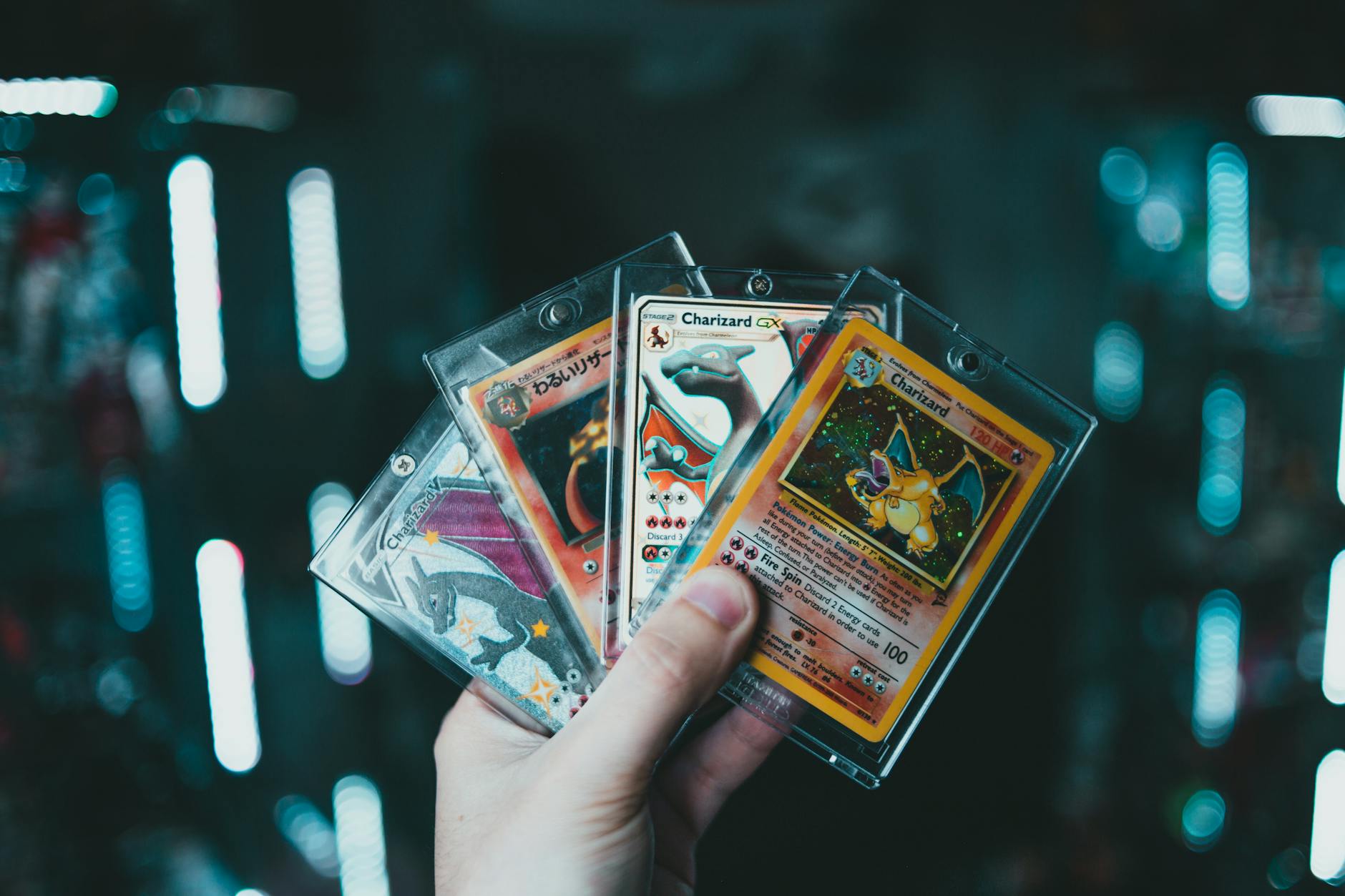
If you’re keeping the card raw, invest in proper storage to preserve condition. A toploader (rigid plastic holder) and sleeve protect the card from dust, handling damage, and humidity. Many collectors keep raw cards in toploaders in a binder or box, which keeps them safe and accessible. The cost is minimal—toploaders and sleeves run $0.10–$0.25 per card—but the protection is significant.
A Base Set Voltorb stored this way will hold condition far better than one left loose in a shoebox or trading binder. For display, some collectors frame or display commons in sealed cases. A Base Set Voltorb isn’t rare enough to warrant professional framing, but a clean toploader on a shelf or desk looks professional and keeps the card protected. This is purely aesthetic; it doesn’t affect resale value but does provide daily enjoyment if you’re a collector rather than an investor.
Future Market Outlook and Long-Term Positioning
The Base Set market has stabilized after the boom years. Commons like Voltorb are unlikely to spike in value, but they’re also unlikely to crash. This makes them reliable parts of a collection with predictable long-term value. If you’re a younger collector building your first Base Set, keeping the Voltorb is the right call—it completes the set and has sentimental value from pulling it fresh.
If you’re an older collector with multiple copies or selling for cash, the card has modest resale value but isn’t a loss. Looking forward, sealed Base Set product will continue to appreciate as supply dwindles, but individual commons will remain stable and affordable. This is actually good: it means the barrier to entry for collecting Base Set remains low. Voltorb pulled today will be the same card in five years, worth $3–$8 raw and maybe $15–$25 if graded high. The decision you make now won’t haunt you either way.
Conclusion
Your pulled Base Set Voltorb is a keeper unless you need immediate cash or have duplicates. If it’s unlimited, the math heavily favors keeping it raw in a toploader—grading adds cost without significant upside. If it’s first edition and genuinely clean (no visible creasing or wear), grading could add value and should be considered, though wait times are long and results vary. The card itself is common but solid, a foundational part of any Base Set collection and a tangible piece of Pokemon card history.
The best next step depends on your collecting philosophy. If you’re building a complete Base Set, sleeve it and add it to your binder. If you’re evaluating your collection for investment, keep it raw and monitor prices; commons don’t move fast enough to justify active trading. If you love the card for personal reasons—Voltorb is a classic electric type from the early era—frame it or display it prominently. Regardless of your choice, you have a legitimate Base Set card from the best-selling era of Pokemon TCG, and that has genuine value to the collecting community.