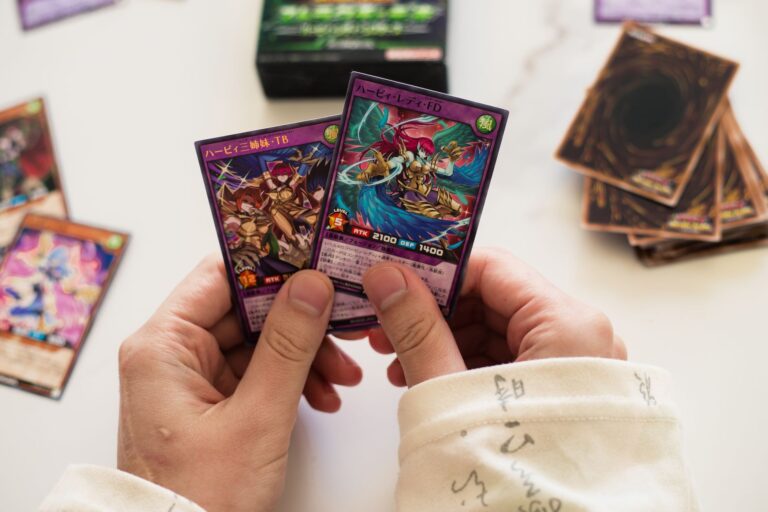
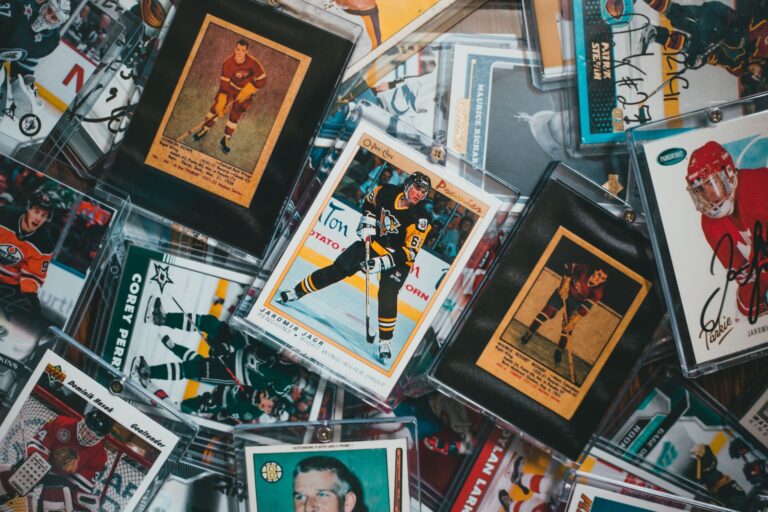
Specializing your Pokémon card collection means focusing your efforts on a specific category—whether that’s a particular era like Base Set cards, a specific type like psychic-focused decks, a grading threshold like PSA 8 and above, or even cards from a single artist. This approach transforms collecting from an overwhelming pursuit of everything into a manageable, rewarding hobby where each acquisition feels intentional. For example, a collector might decide to focus exclusively on first-edition shadowless Pokémon cards from 1999, or alternatively, pursue every holographic Charizard variant ever printed. The key difference between specialized collectors and generalists is satisfaction: a focused collection of 50 cards you’ve carefully selected beats 500 random cards gathering dust.
Specialization solves real problems that new collectors face. Without direction, you’ll spend money erratically, duplicate cards without meaning to, and end up with a disjointed collection that lacks coherence. By narrowing your scope, you’ll make better purchasing decisions, understand market values more deeply, and actually enjoy displaying and discussing your cards. Specialized collectors also tend to hold their collections longer, which often results in better appreciation in value over time.
Table of Contents
- What Types of Collections Should You Specialize In?
- Building Depth Rather Than Breadth
- Investment Value vs. Pure Enjoyment
- Practical Steps to Start Your Specialization
- Common Pitfalls in Specialized Collecting
- Display and Community Engagement
- The Future of Specialized Pokémon Collecting
- Conclusion
- Frequently Asked Questions
What Types of Collections Should You Specialize In?
There are multiple specialization strategies, each with distinct advantages. some collectors focus on completeness within a narrow range—collecting every card from the first three Pokémon TCG sets, for instance. Others pursue character specialization, like gathering every card featuring Machop’s evolutionary line across all sets and printings. Type specialization appeals to deck-builders, who focus on fire-type or water-type cards to understand how strategies evolved. Rarity-based collection means pursuing only specific card grades or first editions, which can create a smaller but more valuable assortment.
A comparison: a completionist Jungle Set collector will own roughly 64 unique cards and spend months hunting for the last few hard-to-find holos, while a character specialist focusing on Pikachu variants might own 200+ cards from 25 years of printings. The completionist approach offers closure and measurable progress; the character approach offers endless discovery. Neither is superior—it depends on whether you value the satisfaction of “finishing” something or the ongoing hunt for rarer items. Era specialization is another popular path. Collectors often focus on either the early years (Base Set through Neo) when card quality was different and markets were nascent, or modern era (Sword & Shield forward) where production quality improved and competitive play became more standardized. Vintage specialists tend to see cards as historical artifacts; modern specialists often view cards through a gameplay and investment lens.

Building Depth Rather Than Breadth
Once you’ve identified your specialization, the real work begins: building depth. This means learning the nuances of your chosen category—knowing which printings matter, what constitutes a meaningful variant, and which grades represent the sweet spot for value. If you specialize in Base set holos, you need to understand shadowless vs. unlimited differences, recognize printing plate variations, and know which cards spike in price at certain grade thresholds. One significant limitation of depth-focused collecting is that it requires patience and capital concentration. Instead of spreading $500 across ten different cards, you might spend it on upgrading one card from PSA 7 to PSA 8, or hunting for a specific printing variant.
This strategy works well for collectors who can wait—who are comfortable leaving gaps in their collection while hunting for the exact card they want. However, it can be frustrating if you’re the type who wants immediate gratification or visual collection completeness. A warning: the deeper you go into a specialization, the more price volatility affects your psychology. When you own only 20 cards in your category and the market drops 10%, you feel it more acutely than a general collector with 500 cards. Research is essential for depth. You’ll need to join community forums, read grading reports, and track price history on sites that maintain sales data. Without this foundation, you’ll overpay for cards that aren’t actually rare or miss undervalued opportunities within your niche.
Investment Value vs. Pure Enjoyment
Specialization forces you to confront an important tension: are you collecting for investment potential or personal enjoyment? These motivations sometimes align but often conflict. A collector who specializes in PSA 9 and PSA 10 Vintage holos might build appreciating assets, but they might also struggle to afford many cards, limiting collection growth. Conversely, a collector focused on raw, ungraded cards from their favorite era gets broader selection and lower costs but less market clarity. For example, someone collecting all Blaine’s Charizard variants might own dozens of cards they genuinely love—they appreciate the character, the artwork, the history.
But Blaine’s Charizard isn’t the most expensive Charizard, so investment returns may disappoint. Meanwhile, a collector pursuing only first-edition Base Set holos might own fewer cards but see stronger price appreciation. The tradeoff is real: joy now versus financial appreciation later. Most successful long-term collectors find a middle ground, where their specialization aligns with cards they actually want to own and display, which means they’re less tempted to sell during market dips.

Practical Steps to Start Your Specialization
Begin by spending 2-4 weeks researching before committing budget. Follow online communities, read collection write-ups on forums and social media, and handle cards at local card shops if possible. Notice which collections you find yourself returning to—which categories spark genuine interest versus which feel like obligations. Once you’ve identified your niche, set a clear definition. Don’t say “I collect Pokémon cards”—say “I collect all Base Set unlimited holos” or “I collect every Mewtwo card ever printed, graded PSA 7 or higher.” This clarity prevents scope creep, where you end up buying related cards outside your specialization and diluting your focus.
A comparison: collectors with vague specializations often end up with sprawling collections that feel unfocused, while collectors with specific parameters find it easier to say no to tempting off-topic purchases. Start with accessible cards in your niche. If you’re specializing in vintage holos, begin with lower-grade examples (PSA 5-6) to build familiarity without breaking your budget. Gradually upgrade key cards as your knowledge and capital grow. This approach also prevents buyer’s remorse—you’ll avoid the trap of spending $2000 on a card before understanding whether you actually enjoy owning high-value items.
Common Pitfalls in Specialized Collecting
The most common mistake is choosing a specialization that’s too broad. A collector deciding to focus on “1990s Pokémon cards” still has thousands of possible cards to pursue. Specialization requires actual constraints—a specific set, a specific character line, a specific grade range, or a specific artist. Without constraints, you haven’t specialized; you’ve just added a vague theme to aimless collecting. Another pitfall is overcommitting financially. Specialized collecting can be expensive because you’re pursuing specific cards rather than whatever’s cheapest. A warning: many collectors destroy their hobby by buying aggressively early, then losing interest when the initial excitement fades.
The cards don’t go anywhere—start slowly, prove to yourself you’ll maintain enthusiasm for years, then increase investment. Several collectors have abandoned half-finished specialized collections because they grew tired of the category or felt buyer’s remorse after large purchases. Market dependency is another advanced issue. If you specialize in cards from a set that becomes unexpectedly popular (or unpopular), your collection’s value can shift dramatically. For instance, Sword & Shield cards were abundant and inexpensive for years, then certain cards spiked as tournament formats changed. Conversely, some vintage cards stayed stagnant or declined because interest shifted. You can’t control market cycles, but you can mitigate risk by choosing specializations in categories with established, stable demand—like first-edition Base Set or original Pokémon character variants.

Display and Community Engagement
Specialization becomes more rewarding when you engage with your collection actively. Specialized collectors often display their cards in cases, build elaborate storage systems, or create documented inventories. This transforms collecting from a passive hobby into something you interact with regularly. An example: a collector focusing on Japanese Base Set cards might create a photo catalog, documenting each card with purchase price, condition notes, and rarity insights.
This documentation deepens your knowledge and makes your collection tangible rather than abstract. Joining specialized communities multiplies enjoyment. Online groups dedicated to specific sets, characters, or eras provide knowledge sharing, buying/selling opportunities, and validation. You’ll find others pursuing exactly what you’re pursuing, which normalizes your focus and often reveals new cards or variants you didn’t know existed.
The Future of Specialized Pokémon Collecting
As the Pokémon TCG matures and millions of collectors operate simultaneously, specialization becomes increasingly valuable. General collecting becomes harder because competition is fierce and prices rise for everything. Specialized collectors, however, can stake claims in underexplored niches—artists, specific printings, or era-focused collections that haven’t become mainstream yet. The forward trend suggests that 10 years from now, the collectors with the most satisfying and valuable collections will be those who specialized early and deeply rather than those who bought broadly.
Technology is also reshaping specialization. Apps now let collectors track sets, grade requirements, and variants automatically. Some platforms are building community specialization—where collectors can join groups focused on specific categories and share data. These tools make specialized collecting more accessible to newcomers, though they also increase competition in popular niches.
Conclusion
Specializing your Pokémon card collection transforms it from a scattered pursuit into a focused hobby with clear direction. Whether you choose to specialize by era, character, set, grade, or artist, the key is making a specific commitment and building depth within that niche. Specialization solves the paradox of modern collecting: more cards exist than anyone can own, so the path to satisfaction isn’t owning more—it’s owning the right ones.
Start by identifying what genuinely interests you, research that niche thoroughly, set clear parameters, and begin with accessible examples. Allow your collection to grow organically as your knowledge and budget expand. The collectors who build the most rewarding collections aren’t those with the largest budgets or the rarest cards—they’re the ones who know exactly what they’re pursuing and why they’re pursuing it. Your specialized collection will be uniquely yours, financially more stable, and far more enjoyable to own and discuss with other enthusiasts.
Frequently Asked Questions
How do I know if my specialization is too narrow?
If there are fewer than 50 cards in existence that fit your criteria, you’ve likely gone too narrow and may struggle to grow the collection. A sweet spot is typically 100-500 possible cards—large enough for years of hunting, small enough to feel achievable.
Should I specialize in graded or raw cards?
Graded cards offer market clarity but cost more and limit available inventory. Raw cards are cheaper and more abundant but require personal grading knowledge. Start with raw cards to learn your category, then upgrade to graded versions of key cards as your budget allows.
Can I change my specialization later?
Yes, but it’s emotionally and financially inefficient. Cards you loved in one specialization often don’t fit another. Before committing significant budget, spend several months confirming your interest.
How much should I budget for a specialized collection?
This depends entirely on your niche. A complete shadowless Base Set might cost $8,000-15,000 depending on grades. Japanese vintage cards can range from $5,000-30,000+. Start with a modest target—perhaps $500-2,000—and let the collection grow at a sustainable pace.
Is specialization a good investment strategy?
Specialization can improve investment returns because you’ll understand your category deeply and notice undervalued cards. However, no Pokémon cards are guaranteed to appreciate. Specialize in categories you genuinely want to own; any financial appreciation is a bonus.