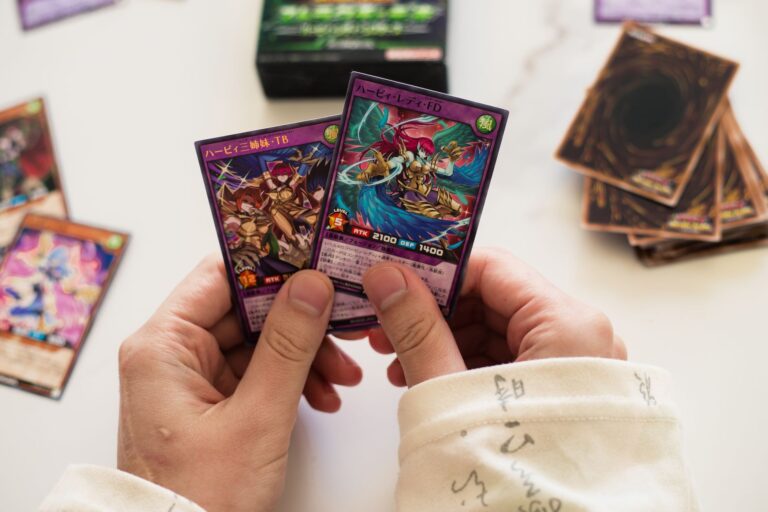
To report a Pokémon card scammer on eBay, you have two primary options depending on whether you’ve already purchased the counterfeit cards. If you’re viewing a suspicious listing before buying, click the “Report item” button on the listing page and select the counterfeit cards category. eBay will investigate the listing and take it down if it violates their authentication policies. If you’ve already completed the purchase and received fake cards, go to My eBay, find the transaction in your Purchase History, click the dropdown menu next to the item, and select “Return item” to initiate a return through eBay’s Money Back Guarantee, which provides a full refund and creates a permanent record against the seller’s account.
The reporting process matters more than ever because counterfeit Pokémon cards have evolved into a significant problem in the secondary market. In early 2026, fake Ascended Heroes SARs flooded social media platforms as collectors chased the latest high-value releases, with reports spiking across X and Reddit. One collector in California purchased what appeared to be a PSA 10 Charizard ex SARin March 2026 for $3,200, only to discover upon arrival that the slab was expertly forged. When he reported the seller to eBay, the investigation uncovered that the account had sold over 200 listings in a similar pattern. By reporting scammers through official channels, you protect not only your own wallet but help eBay and the Pokémon Company track organized counterfeiting operations.
Table of Contents
- Recognizing Counterfeit Pokémon Cards Before You Buy
- The eBay Reporting Mechanism and How It Works
- Recent Counterfeiting Trends and Why This Matters Now
- How to Initiate a Return and Protect Your Money
- Legal Consequences Facing Scammers
- Using Evidence and Documentation in Your Report
- The Future of Pokémon Card Counterfeiting and eBay’s Response
- Conclusion
- Frequently Asked Questions
Recognizing Counterfeit Pokémon Cards Before You Buy
Before you report a scammer, you need to identify whether the cards in question are actually counterfeit. This is harder than it sounds because modern fakes have become sophisticated. The most obvious red flags include prices that seem too good to be true—a first-edition Base Set Charizard for $500 when market rates are $8,000 to $15,000 should immediately trigger skepticism. Check the seller’s feedback history and filter by recent transactions; if you see patterns of returns or complaints mentioning “not as described” or “received fake,” that’s a strong indicator. Counterfeit graded cards are particularly problematic because buyers assume authentication happened before slabbing.
A seller offering multiple PSA 10 Ascended Heroes SARs at significantly below-market rates is worth investigating further through the card’s grading company database before purchasing. Another telltale sign is listing quality and language. Legitimate sellers invest in clear photos from multiple angles, proper lighting, and detailed descriptions. Scammers often use blurry photos, stock images, or vague descriptions like “Pokémon card lot, vintage, investment grade.” The January 2026 $2 million fake grading scheme conviction revealed that counterfeiters were purchasing blank slabs and printing fake authentication labels at high resolution—so you can’t assume a slab protects you. Always verify graded cards through the grading company’s official authentication tool before completing a purchase, and cross-reference the card’s serial number if available.

The eBay Reporting Mechanism and How It Works
eBay’s reporting system is designed to address counterfeit merchandise, though the process has specific requirements and limitations. When you click “Report item,” eBay presents you with a form asking you to select the reason for the report. For counterfeit Pokémon cards, choose “Counterfeit/Not Authentic” as your category. Provide a clear explanation: mention specific details like the card’s print lines, the quality of the holo pattern, mismatches in text formatting, or inconsistencies in the color saturation compared to authentic versions. If you’re reporting based on price, explain why the asking price is inconsistent with market rates for that card’s condition. The more specific your report, the faster eBay’s trust and safety team can take action.
Once submitted, eBay’s automated system flags the listing and routes it to a human reviewer. This process typically takes 24 to 72 hours. If eBay determines the cards are indeed counterfeit, the listing is removed, the seller receives a warning or suspension depending on their history, and the seller is prohibited from relisting the same item. However, there’s a limitation: eBay’s investigation doesn’t always result in seller suspension on the first report. If a seller has multiple counterfeit listings, you should report each one separately with detailed information. A seller reported once for one counterfeit listing might slip through with just a warning; multiple reports create a documented pattern that triggers stronger action. During the October to December 2025 counterfeiting spike surrounding Ascended Heroes releases, many collectors found that individual reports weren’t enough to shut down prolific fake sellers—persistent reporting, combined with reports from other buyers, was necessary to escalate enforcement.
Recent Counterfeiting Trends and Why This Matters Now
The Pokémon card counterfeiting landscape has shifted dramatically in the last six months, and understanding these trends helps you recognize current threats. From October through December 2025, counterfeit attempts targeting modern Mega SARs and IRs increased 20 to 30 percent as Ascended Heroes hype peaked. This wasn’t random—scammers identified which cards were driving the most collector interest and financial value, then targeted those specifically. In January and February 2026, X and Reddit threads filled with reports of “received fake slab” posts, primarily involving Ascended Heroes SARs. These weren’t just counterfeit raw cards; they were professionally slab-counterfeits, making them far more deceptive because buyers expected third-party authentication to prove authenticity. The market disruption accelerated after the Seattle Regionals in early March 2026, when Charizard ex prices jumped 22 percent in 72 hours.
That price spike coincided directly with a wave of fake slab listings appearing on both eBay US and eBay UK. Scammers follow price volatility like hunters follow migration patterns. The most sobering development came in January 2026 when a $2 million fake grading scheme was shut down and the perpetrators convicted. That case showed that entire authentication operations can be compromised—these weren’t individual bad actors, but organized networks counterfeiting slabs at scale. On April 4, 2026, CNN Business published an investigation titled “Pokémon Cards Are Igniting an International Crime Spree,” documenting how organized crime groups are now targeting Pokémon cards as a revenue stream. Understanding this context means recognizing that reporting a single scammer contributes to a larger law enforcement effort.

How to Initiate a Return and Protect Your Money
If you’ve already purchased counterfeit cards, your primary protection is eBay’s Money Back Guarantee. This is not a discretionary program—it’s eBay’s binding commitment to refund buyers who receive inauthentic merchandise. To start the process, go to My eBay, locate the transaction in your Purchase History, and click the dropdown menu next to the item. Select “Return item,” and you’ll be prompted to choose a reason. Select “Item not as described” or “Counterfeit/Not Authentic” depending on how eBay presents the options in your region. eBay will then contact the seller and give them 10 days to respond. If the seller doesn’t respond or refuses, eBay sides with you and issues a refund.
The tradeoff is that this process requires documentation. Take clear photos of the counterfeit cards before initiating the return, showing specific evidence of the forgery—misaligned text, incorrect holo patterns, wrong cardstock weight, or obvious print flaws. If you purchased a graded card, photograph the slab’s serial number and any visible inconsistencies in the labeling. eBay’s Money Back Guarantee covers the item price but may not cover return shipping fees in all cases, depending on the seller’s policies. In high-value transactions (cards worth $1,000 or more), consider using signature confirmation when shipping the counterfeit cards back to the seller, as this creates a paper trail. One Pennsylvania collector returned a $2,400 counterfeit PSA 9 Base Set Blastoise in December 2025 and received a full refund after eBay’s investigation confirmed the slab was forged. The refund took 14 days total from return initiation, which is typical for high-value cases.
Legal Consequences Facing Scammers
Understanding what happens to Pokémon card scammers when they’re caught can give you confidence that reporting matters. Federal law treats counterfeit merchandise sales as a serious crime. Anyone knowingly selling counterfeit Pokémon cards faces up to 10 years imprisonment for a first offense. If they’re repeat offenders, that sentence increases to up to 20 years. These aren’t hypothetical penalties—the January 2026 fake grading scheme conviction resulted in federal charges and prison sentences for multiple participants.
Beyond imprisonment, sellers face civil penalties from the Pokémon Company and eBay, including fines that can reach hundreds of thousands of dollars and permanent account bans. The limitation in this system is that prosecution requires evidence and coordination between eBay, the Pokémon Company, and federal authorities. A single seller operating a small counterfeiting operation might never face criminal charges if they operate below law enforcement’s visibility threshold. However, organized operations—like the ones documented in the CNN Business investigation from April 4, 2026—are now being actively investigated. When you report a scammer to eBay, you’re not just protecting yourself; you’re creating a record that law enforcement can access if they open an investigation into a broader counterfeiting network. The Pokémon Company has increased its anti-counterfeiting efforts specifically in response to the documented crime spree, so reporting scammers now carries more weight than it did a year ago.

Using Evidence and Documentation in Your Report
When you report a scammer, your report’s quality directly affects eBay’s response time. Instead of simply stating “this is fake,” document your suspicions with evidence. If the listing shows multiple identical cards at the same price point, that’s a warning sign—legitimate inventory varies in condition. If the seller has 10 similar listings all priced 40 percent below market rate, include that pattern in your report. For graded cards, cross-reference the card’s PSA, CGC, or BGS serial number through the grading company’s official database before reporting.
If the database shows no record of that serial number, you have concrete proof to include in your report. One effective tactic is comparing the card in the listing photo to authentication guides. The Pokémon Company publishes official card specifications, and many independent collectors have created detailed comparison resources. If you notice the holo pattern doesn’t match the official specification for that card’s print run, document that and mention it in your report. A collector in Ohio reported a batch of counterfeit Ascended Heroes SARs in February 2026 by providing side-by-side photos comparing the seller’s listings to authenticated versions. eBay responded within 36 hours and removed all 8 listings from that seller’s account, then suspended the account after finding 23 additional counterfeit listings through their investigation.
The Future of Pokémon Card Counterfeiting and eBay’s Response
The April 2026 CNN Business investigation into the international Pokémon card crime spree signals that counterfeiting has become sophisticated enough to warrant serious media attention and law enforcement resources. eBay and other major resale platforms are responding by implementing stricter authentication requirements for high-value Pokémon cards. Some platforms are piloting blockchain-based authentication systems to track card ownership history and prevent forged slabs from being resold. The Pokémon Company itself has announced plans to work with resale platforms to create an official secondary market authentication program, though details remain limited.
For collectors buying and selling now, this trend means that reporting scammers is increasingly important because the infrastructure to act on those reports is expanding. eBay’s algorithms are becoming more sophisticated at flagging suspicious sellers based on pricing patterns and buyer feedback. The conviction and prosecution rate for organized counterfeiters has increased substantially—the $2 million scheme busted in January 2026 wouldn’t have been discovered without coordinated reporting and investigation across multiple platforms. As counterfeiting becomes more organized and criminal, the role of individual collectors reporting suspicious activity grows more valuable to the broader community.
Conclusion
Reporting a Pokémon card scammer on eBay is a straightforward process with two main pathways: use the “Report item” button for listings you haven’t purchased, or initiate a return through your Purchase History if you’ve already received counterfeit cards. eBay’s Money Back Guarantee provides financial protection, and your report creates a permanent record against the seller’s account that contributes to eBay’s enforcement actions and can inform broader law enforcement investigations. The counterfeit problem has escalated significantly over the past six months, with organized operations targeting high-value modern cards during price spikes, but this also means that reporting now has more impact than ever.
When you report a scammer, you’re not just protecting yourself—you’re contributing to the effort to clean up the secondary market and deter the organized crime networks that have begun targeting Pokémon cards as documented by CNN Business and federal law enforcement. Take time to document your evidence clearly, verify your suspicions through official authentication tools, and follow through with your report. The collector who returned that counterfeit PSA 10 Blastoise didn’t just recover $2,400; their report contributed to evidence that eventually led to eBay suspending that seller’s account and the Pokémon Company investigating their operation. Your report could do the same.
Frequently Asked Questions
What if eBay’s investigation doesn’t find the cards counterfeit?
You still have the right to return the item under eBay’s Money Back Guarantee with “Item not as described” as your reason. You can provide your own authentication evidence during the return process, and eBay’s return team will reassess.
Can I report a seller for counterfeiting if I haven’t purchased from them?
Yes. The “Report item” button appears on every eBay listing and doesn’t require purchase history. However, your report will be stronger if you can document specific evidence of counterfeiting rather than just expressing suspicion.
How long does it take for eBay to investigate a counterfeit report?
Most investigations take 24 to 72 hours. High-value items or sellers with prior violations may be expedited. Complex cases involving authenticated comparisons may take up to a week.
Will the seller know I reported them?
Not initially. eBay doesn’t disclose the reporter’s identity. However, if you return the item or open a case against them, the seller will see your account information through that process.
What should I do if a seller has multiple counterfeit listings?
Report each listing individually with specific details. Multiple reports create a documented pattern that eBay uses to escalate enforcement action and potential account suspension.
Can I be held liable if my report is incorrect?
eBay’s reporting system is designed with protections for good-faith reports. Deliberately filing false reports to harm a legitimate seller could result in your own account being restricted, but honest mistakes don’t expose you to liability.