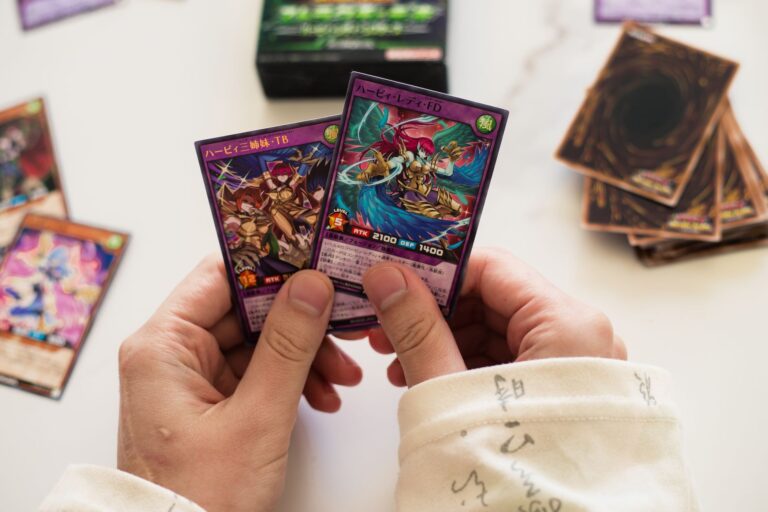
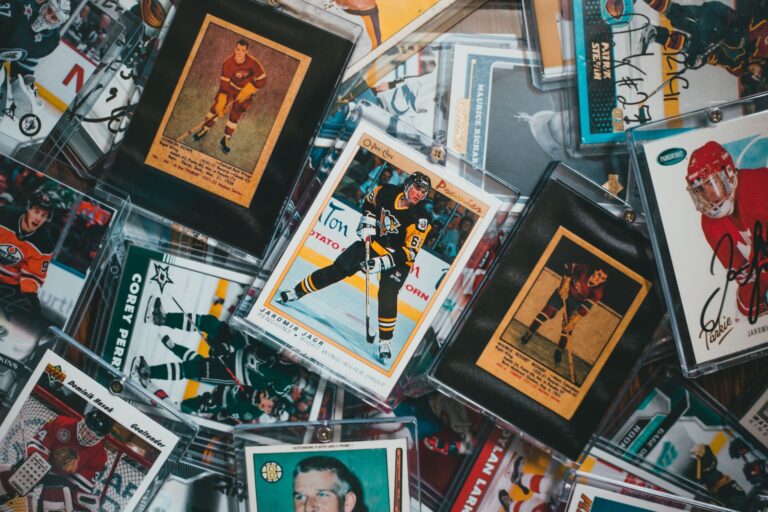
The Pokémon card secondary market is a network of platforms and transactions where collectors buy, sell, and trade Pokémon cards after their initial retail release. It’s where a Sunbreon card that cost $4 in a booster pack five years ago might sell for $800, or where a newly released Charizard pulls from the latest set get listed for three times their pack value within hours. This market has grown into a $2.7 billion annual ecosystem as of 2026, driven by an explosive 350% surge in Pokémon TCG sales between 2020 and 2025. Understanding how the secondary market works is essential for any collector looking to complete their collection, track their investment value, or cash out cards they no longer want.
The secondary market serves as the price discovery engine for Pokémon cards. While retail packs at Target or the Pokémon Center offer fixed prices for randomized contents, the secondary market reflects what each individual card is actually worth based on demand, condition, rarity, and game playability. It’s driven by professional grading companies like PSA and Beckett, major platforms including TCGPlayer and eBay, regional hubs like CardMarket in Europe, and countless individual sellers operating from their basements. Every major price trend you see in Pokémon collecting—from vintage cards jumping 30-50% ahead of the 30th anniversary to newly released tournament staples climbing in value weekly—originates from secondary market transactions.
Table of Contents
- WHERE THE SECONDARY MARKET FITS IN THE POKÉMON CARD ECOSYSTEM
- UNDERSTANDING PRICING VOLATILITY AND MARKET RISK
- MAJOR SECONDARY MARKET PLATFORMS AND HOW THEY WORK
- BUYING ON THE SECONDARY MARKET—STRATEGY AND TIMING
- SELLING AND GRADING—MAXIMIZING YOUR RETURNS
- RECENT MARKET TRENDS AND THE 30TH ANNIVERSARY IMPACT
- LEVERAGING THE SECONDARY MARKET FOR YOUR COLLECTION STRATEGY
- Conclusion
WHERE THE SECONDARY MARKET FITS IN THE POKÉMON CARD ECOSYSTEM
The secondary market exists in the space between production and collection. When The pokémon Company prints a new set, retail stores receive sealed boxes at wholesale prices, and consumers buy booster packs at $4 each. But within days, individual cards from that set appear on secondary platforms at their true market value. A card that’s tournament-playable or features a popular Pokémon might be worth $50, while an obscure Pokémon in the same set sits at $0.25.
This price discovery happens purely through supply and demand—there’s no centralized authority setting pokémon card prices the way there is for stocks or commodities. The secondary market also creates the environment for investment-grade Pokémon cards. Vintage Wizards of the Coast first editions and holographic cards from the late 1990s have become collectible assets. When graded at PSA 10 (near-mint condition), these cards are projected to appreciate 15-25% annually during the 30th anniversary period, according to recent market analysis. This investment appeal has professionalized parts of the market—some collectors spend tens of thousands on high-grade vintage cards, while others buy and hold sealed booster boxes from recent sets anticipating future value growth.

UNDERSTANDING PRICING VOLATILITY AND MARKET RISK
Pokémon card prices are volatile in ways that catch new collectors off guard. A card might be $300 one month, spike to $500 on hype, and then settle at $200 when the market corrects. Bubble Mew demonstrated this pattern dramatically—it reached an all-time high of $700 in September 2025, dropped significantly afterward, then regained all its lost value by mid-February 2026. cards that see tournament play can experience sudden price swings if a major competitive season ends or a banned format rotation occurs. New set releases also cannibalize demand for similar cards from older sets, which often triggers price corrections in vintage cards.
One critical limitation of the secondary market is that prices are set by transactions, not by underlying Pokémon Company support or card mechanics. Unlike stocks, which have companies generating earnings or bonds backed by creditworthiness, Pokémon card value rests entirely on collector demand. A card that cost $200 two years ago might be worth $50 today if players stop using it competitively or fewer collectors want it aesthetically. This risk is most acute with modern competitive cards, which can become obsolete quickly if game balance changes eliminate their tournament relevance. Sealed products face similar risk—the market experienced 20-30% corrections on modern sealed products while vintage sealed surged 15-25%, showing how dramatically collector preferences can swing.
MAJOR SECONDARY MARKET PLATFORMS AND HOW THEY WORK
TCGPlayer is the primary platform for single card transactions in North America, hosting hundreds of independent sellers and a price-discovery mechanism that helps buyers find the best deals. A typical TCGPlayer transaction includes platform fees around 12.35%, which sellers factor into their listings. If you’re buying a $100 card on TCGPlayer, you’re paying roughly $112.35—the seller receives about $90 after fees. TCGPlayer also publishes price trends that shape how other platforms value cards.
When TCGPlayer’s market data shows Umbreon ex SIR holding steady over $1,000 as of March 2026, that pricing authority influences what dealers on other platforms ask. CardMarket operates the same way in Europe, serving as the low-fee peer-to-peer marketplace where individual collectors list cards. Regional pricing can vary significantly—in late February 2026, Perfect Order ETBs (Elite Trainer Boxes) preordered in the UK at £50-60 were reselling at £70-85 after a Pokémon center EU restock, representing a 17-42% markup. eBay provides access to the broadest global audience and is especially valuable for vintage and graded cards, where collectors are willing to bid against international competition. Pokéchange, a newer platform, eliminates transaction fees entirely and allows free registration, no fees for buying, selling, or trading—though it operates with much lower volume than TCGPlayer or eBay.

BUYING ON THE SECONDARY MARKET—STRATEGY AND TIMING
The mechanics of buying depend on your goal. If you’re completing a playset for competitive tournament use, you want to buy from TCGPlayer or CardMarket based on lowest price—you can afford to wait for the cheapest available copy. If you’re collecting specific high-grade vintage cards, you’re likely bidding on eBay against other collectors, and prices reflect the emotional appeal of owning a card versus its practical utility. The McDonald’s 30th Anniversary collaboration in 2026 demonstrates how trends drive secondary market behavior. Random 4-card booster packs from the promotion drove viral unboxing content, which temporarily inflated prices on featured cards as social media buzz spread. Savvy collectors who wait until the hype dies down can often acquire those same cards at 30-40% discounts.
The trade-off in secondary market buying is between speed and price. Buying immediately when you need a card means paying current market prices, which might be at a local peak. Waiting weeks or months for prices to stabilize or correct can save significant money, but you might miss time-sensitive competitive events or rare cards that don’t have many copies in circulation. For cards with high transaction volume, like popular competitive staples from recent sets, the difference between paying today’s price and next month’s price is often only 5-10%. For low-volume vintage cards, prices can be more stable or even steadily climb if demand is growing. The Ascended Heroes set’s Gengar, for example, has been acknowledged as a top-tier chase card alongside Pikachu and Charizard, climbing in price weekly since February 2026 availability—a pattern that continued for months rather than correcting sharply.
SELLING AND GRADING—MAXIMIZING YOUR RETURNS
When you sell cards on the secondary market, condition becomes your primary pricing lever. A near-mint Sunbreon might sell for $800, while the same card in played condition might fetch only $200. This is why professional grading through PSA, Beckett, or CGC matters to serious collectors. A graded card with an official condition score commands premium pricing, especially for vintage cards where condition is rarer. However, grading is expensive—PSA charges $20-100+ per card depending on service level and card value—so it only makes financial sense for cards worth $200 or more. A major warning for new sellers: fees add up quickly.
On TCGPlayer, you’re paying roughly 12.35% in platform fees, plus payment processing fees. On eBay, you’re paying insertion fees, final value fees, and payment processing. If you sell a $500 card on TCGPlayer, you net roughly $435 before you account for shipping and packaging. Many collectors underestimate how much of their sale price disappears to fees and think they’re leaving money on the table. In reality, platform fees exist because these services handle disputes, provide buyer protection, and create the liquidity that makes secondary market selling viable. Selling cards worth under $25 on these platforms often results in losses once fees are deducted—many dealers suggest selling low-value cards in bulk lots or donating them rather than listing individually.

RECENT MARKET TRENDS AND THE 30TH ANNIVERSARY IMPACT
The 30th Anniversary of Pokémon in 2026 has reshaped secondary market dynamics. Vintage Wizards of the Coast cards are experiencing 30-50% price increases heading into the anniversary period, as collectors compete to assemble complete vintage collections before major milestone events. Modern sealed products have corrected 20-30% in value—booster boxes that cost $120-140 two years ago are now available closer to $100. Meanwhile, vintage sealed products surged 15-25%, reflecting a broader market shift toward vintage collecting as the anniversary year intensifies.
Team Rocket’s Mewtwo ex from the Destined Rivals set reached $376+, while Cynthia’s Garchomp ex climbed past $237, both driven by competitive relevance and appeal to collectors of popular Pokémon. The McDonald’s 30th Anniversary promotion, featuring randomized 4-card booster packs available in regional markets, created secondary market havoc in early 2026. Cards appearing in McDonald’s packs weren’t previously available in those configurations, leading to speculation about long-term scarcity and driving temporary price inflation. Within weeks, prices normalized as the full market realized these were the same cards already in circulation. This boom-and-bust pattern repeats whenever a special promotion creates artificial scarcity—new collectors buying at peaks often lose money when hype fades.
LEVERAGING THE SECONDARY MARKET FOR YOUR COLLECTION STRATEGY
Understanding secondary market dynamics allows you to make informed collection decisions. If you’re building a competitive deck, buying staple cards when they’re in oversupply (often after a major tournament season ends) saves significantly compared to buying during peak competitive demand. If you’re collecting vintage cards as an investment, dollar-cost averaging into positions over months or years smooths out volatility better than trying to time market bottoms. If you’re completing a set, identifying which cards have high secondary demand (popular Pokémon, tournament staples) versus low demand (common utility cards) lets you prioritize hunting for deals on low-demand cards while being strategic about premium cards.
The secondary market will continue evolving as Pokémon TCG grows. Current projections suggest sustained growth beyond 2026, with vintage cards remaining relatively stable stores of value and modern competitive cards experiencing ongoing volatility. The key to navigating this market is understanding that prices reflect collector preferences and competitive relevance, not some objective intrinsic value. Buy for what you need or love, not for speculative returns, and you’ll avoid the psychological whiplash of watching your investment fluctuate.
Conclusion
The Pokémon card secondary market is the beating heart of modern card collecting. It’s where retail randomness becomes individual card pricing, where vintage cards become investment assets, and where competitive players source the specific cards their decks require. With platforms like TCGPlayer dominating North America, CardMarket leading Europe, and eBay providing global reach, buying and selling Pokémon cards has never been more accessible or transparent. The market’s $2.7 billion annual value and 350% growth since 2020 reflects how central secondary market trading has become to the hobby. Your next step depends on your collecting goals.
If you’re hunting specific cards, start by tracking prices on TCGPlayer or CardMarket to understand fair value before making offers. If you’re selling cards, be realistic about fees and condition assessments—a professional grading service makes sense for high-value cards but not for bulk lots. If you’re thinking about Pokémon cards as an investment, focus on vintage cards during the 30th anniversary period or undervalued modern cards with long-term competitive relevance. Above all, remember that secondary market prices are volatile and driven by collector sentiment, not some external force. Buy what you genuinely want, and price movements become background noise.