
The key to buying scarce Pokémon cards without chasing FOMO is separating legitimate scarcity from manufactured urgency. When a 1st Edition Base Set Charizard surfaces at auction, the card’s actual rarity and your specific collecting goals should drive your decision—not the panic that you’ll never see another one. Most collectors who overpay for cards during heated bidding wars do so because they’re reacting to scarcity emotionally rather than evaluating whether the card fits their collection, condition preferences, or long-term strategy.
The difference between a thoughtful buyer and an impulse buyer often comes down to having a pre-established purchasing framework before the card even hits the market. Your budget, target condition grade, and priority ranking should already exist as a written plan. If you know you’re hunting for a PSA 8 Base Set Blastoise with a maximum spend of $2,500, you won’t be swayed when an MP copy lists at $3,200 or when bidding wars push prices 40% higher than your threshold. The scarcer a card truly is, the more crucial this clarity becomes—because real scarcity means fewer opportunities to recalibrate your approach later.
Table of Contents
- Why Scarcity Triggers FOMO and How Collectors Overpay
- Establish Your Budget and Grading Requirements Before You Start Hunting
- How to Distinguish Real Scarcity from Hype-Driven Price Spikes
- Build a Systematic Purchase Approach Based on Your Collection Gaps
- Recognize Red Flags That Signal FOMO-Driven Decisions
- Evaluate Long-Term Value Beyond Current Market Prices
- Building a Collector Mindset That Outlasts Market Trends
- Conclusion
Why Scarcity Triggers FOMO and How Collectors Overpay
FOMO (fear of missing out) preys on the legitimate worry that scarce cards rarely resurface for sale. A PSA 10 Jungle Venusaur has perhaps three or four public sales per year across all platforms globally—so when one appears, collectors feel genuine urgency. The problem emerges when that emotional urgency becomes the primary factor in a bidding decision. Market analysis firm TCGPlayer has documented cases where the exact same card sold for 35-50% more during high-visibility auctions (when multiple collectors are watching) than in private sales or less-publicized listings.
this premium exists because of FOMO, not because the card became more valuable overnight. A real example: a mint 1st Edition Shadowless Charizard sold at Heritage Auctions for $198,000 in 2020, but comparable sales in 2021 (same condition, same edition) brought $165,000-$185,000 price ranges. The difference wasn’t the card’s rarity—it was auction visibility. The first sale attracted international bidders and generated social media buzz, which inflated the winning bid. Collectors who understood the actual supply/demand fundamentals (not just the headline price) knew that another copy would eventually appear without a 20% premium attached.

Establish Your Budget and Grading Requirements Before You Start Hunting
The most effective FOMO prevention is removing decision-making from the moment of sale. Decide in advance: Which condition grades align with your collection’s standards? A PSA 8 or higher only? Will you accept PSA 7 if the price difference is substantial? How much is that card worth to you in each condition bracket? These answers must exist as concrete numbers, not vague preferences. Many collectors say they want “good condition” but then panic-bid on a near-mint copy because the alternative feels like settling—even though the extra $1,500 produces no meaningful improvement in their enjoyment of the card. One limiting factor worth acknowledging: price guides like PWCC or TCGPlayer’s own price tracking data are updated based on actual sales, which means they lag the real market during volatile periods.
A card might show a $1,200 average, but that data includes sales from three months ago. During trending peaks, real prices can exceed published guides by 30-40% in the moment. Your budget should account for this gap. If you set a hard ceiling at the published price, you’ll lose bidding wars. If you tack on a 20-30% buffer, you stay disciplined while remaining competitive on genuinely scarce cards.
How to Distinguish Real Scarcity from Hype-Driven Price Spikes
Genuine scarcity has measurable hallmarks: PSA population reports, historical sales frequency, and condition-rarity combinations. A Shadowless Unlimited Charizard in PSA 9 might have only 12 examples graded globally. A 1st Edition Base Set Charizard in PSA 10 might have 40-50. These numbers are public and verifiable. By contrast, a recent pokémon TCG release that’s “out of stock” isn’t actually scarce—it’s temporarily unavailable due to printing delays or demand spikes.
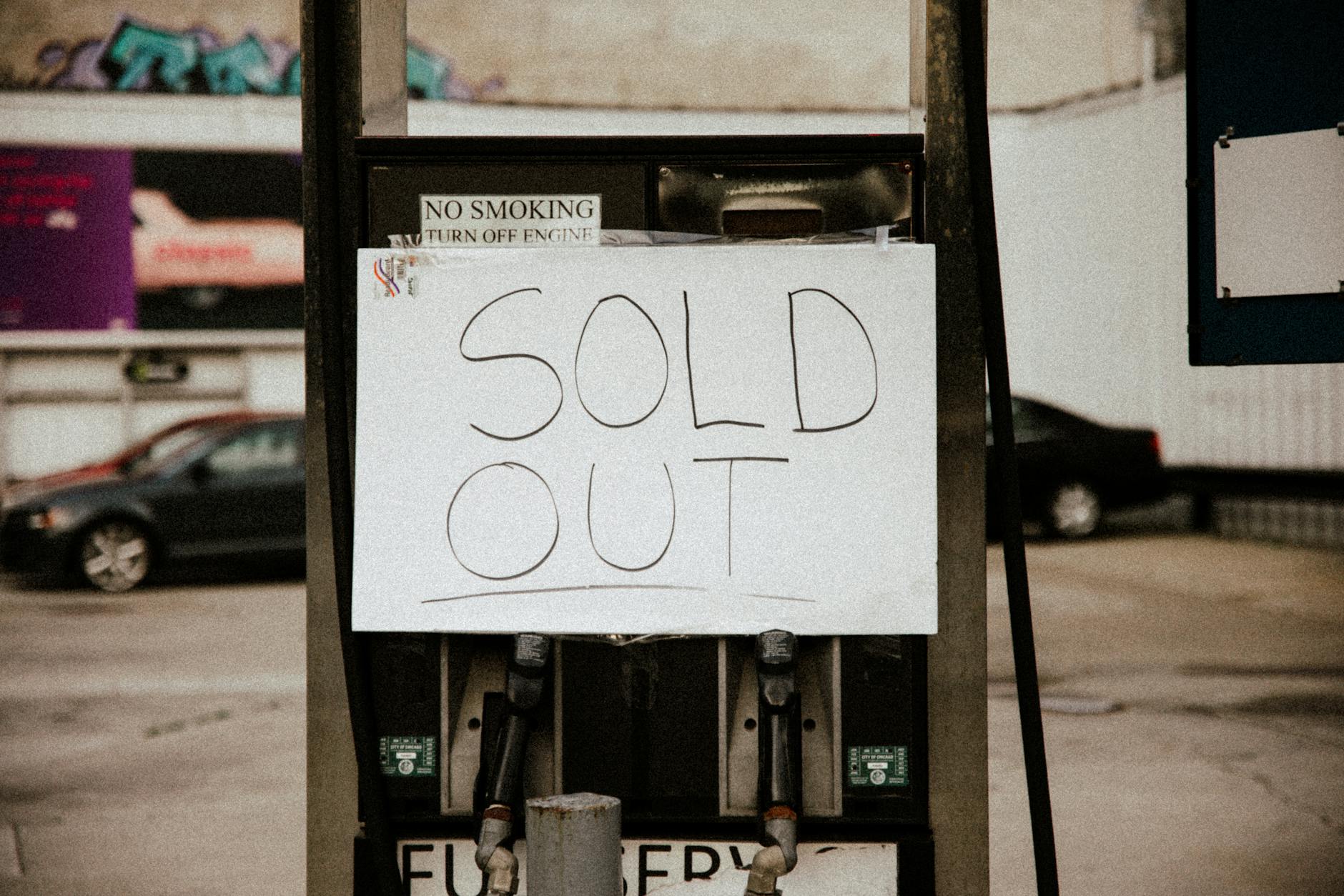
Within 3-6 months, supply typically normalizes and prices fall 20-35%. The warning here is that new collector-focused cards often get swept up in artificial urgency cycles. Japanese booster boxes for certain Scarlet & Violet sets sold for $400-$600 when limited allocations hit the US in 2023, only to stabilize at $250-$350 once global supply chains caught up. Buyers who paid the premium felt the sting, even though the cards inside weren’t actually rarer—just temporarily constrained by supply logistics. Compare this to actual vintage scarcity: a 1st Edition Shadowless Articuno has been genuinely hard to source at any price point for 20+ years. That’s a meaningful difference in FOMO triggers.
Build a Systematic Purchase Approach Based on Your Collection Gaps
Rather than shopping reactively (browsing eBay, seeing a scarce card, deciding on impulse), create a ranked priority list of cards that genuinely fit your collection. Assign each a target price range based on condition. Then set up saved searches on eBay, Facebook Marketplace, Whatnot, and specialty dealers like Heritage Auctions. Use email alerts or RSS feeds so you’re notified immediately when cards on your list appear. This approach shifts FOMO from a liability into an asset—you’re moving fast on cards you actually want at prices you’ve already vetted, rather than moving fast on whatever happens to be trending.
The tradeoff is patience versus opportunity. A systematic buyer might wait 4-6 months for a specific card to appear at their target price. A FOMO buyer will overpay and move on. Over time, the systematic approach accumulates cards at an average cost 15-25% below market peak prices for the same cards. However, your priority list requires discipline—if a card you ranked as “tertiary” appears at an amazing price, you have to resist the urge to deviate, because deviations are where budget creep happens. One card at 30% above budget becomes two, then four, and suddenly you’ve overspent by thousands without a coherent collection strategy.
Recognize Red Flags That Signal FOMO-Driven Decisions
Several warning signs indicate you’re making an emotion-driven purchase rather than a strategic one. First: the price is notably higher than your researched range, but you’re telling yourself “it won’t come around again.” That narrative is often wrong. Second: you’re bidding against someone in real-time and letting the competition drive your willingness to spend. This is pure FOMO—you’re not buying the card, you’re winning a competition. Third: you haven’t seen the card listed in your priority timeframe, so you’re suddenly willing to accept a lower condition grade or higher price to “make something happen.” That’s reactive collecting, not strategic.
A limitation to understand: legitimate scarcity sometimes justifies above-average pricing. A PSA 10 Shadowless Charizard might have a $30,000 realistic price range, but when one appears, it could sell for $35,000-$38,000 without being an irrational FOMO spike. The difference between justified premium and FOMO premium is hard to quantify in the moment. The best hedge is to step away for 24 hours if you’re unsure. If you’re still comfortable with the price the next day (when emotional intensity has faded), it’s probably a legitimate purchase. If you’re relieved you didn’t win the auction, you were experiencing FOMO.

Evaluate Long-Term Value Beyond Current Market Prices
Scarce cards that have proven appreciation over multi-year periods are safer FOMO-resistant purchases than cards riding temporary hype waves. PSA 8+ Base Set Charizards have appreciated 8-12% annually over the last decade, consistently, across condition grades. By contrast, special editions from recent sets (like reverse holos from specific Sword & Shield subsets) have volatile, unpredictable trajectories. They might appreciate 50% one year and depreciate 30% the next.
An example of stable scarcity value: a 1st Edition Base Set Holo Zapdos in PSA 7 has appreciated roughly 10% per year since 2015. The card is genuinely rare (fewer than 150 graded globally), so supply constraints are real, not temporary. By contrast, certain secret rare cards from 2020-2021 booster sets that sold for $800-$1,500 have stabilized at $400-$600 as collector enthusiasm shifted. Neither category is “bad,” but the first provides confidence that scarcity will persist and support long-term value, while the second carries execution risk.
Building a Collector Mindset That Outlasts Market Trends
The most effective FOMO antidote is a collecting philosophy that centers on your enjoyment and curation rather than on market trends. Collectors who focus on completing sets, assembling full artwork collections of a favorite Pokémon, or hunting cards from their childhood are naturally insulated from FOMO. A person hunting every graded Base Set Dragonite wants that card to complete a goal, not to beat other bidders.
That distinction changes everything about how they approach scarcity and pricing. As Pokémon TCG markets mature, scarcity will increasingly sort into two categories: true vintage rarity (cards 20-30 years old with limited production runs) and collector-driven rarity (cards sought by niche communities that create sustained demand). Understanding which category your target card occupies will help you assess whether current pricing reflects genuine future value or temporary enthusiasm. The cards that hold their premium five years from now are the ones that survive multiple market cycles, not the ones that peaked on a trending day.
Conclusion
Buying scarce Pokémon cards without chasing FOMO comes down to establishing your collection strategy before the emotional moment of sale arrives. Know your budget, understand your condition preferences, and rank your target cards in order of priority. When you know the measurable difference between real scarcity (supported by PSA population data, historical sales frequency, and multi-year appreciation) and hype-driven shortages (temporary supply constraints or social media momentum), you’ll make purchasing decisions that stand up to scrutiny months later.
The collectors who avoid FOMO-driven overpayments tend to share one trait: they view scarcity as context for prices, not justification for them. A card’s rarity is relevant, but your personal collecting goals and long-term value outlook should always be the primary decision drivers. If you can wait six months for another copy to appear, you can afford to skip this one. If you’re one of five collectors globally hunting this exact card in this exact condition, you already knew its approximate value before you ever saw it listed.
You Might Also Like
- How to Use Sales History to Buy Smarter Pokémon Cards
- How to Buy Pokémon Cards With Less Downside Risk
- How to Buy Better Pokémon Cards by Ignoring the Hype Cycle