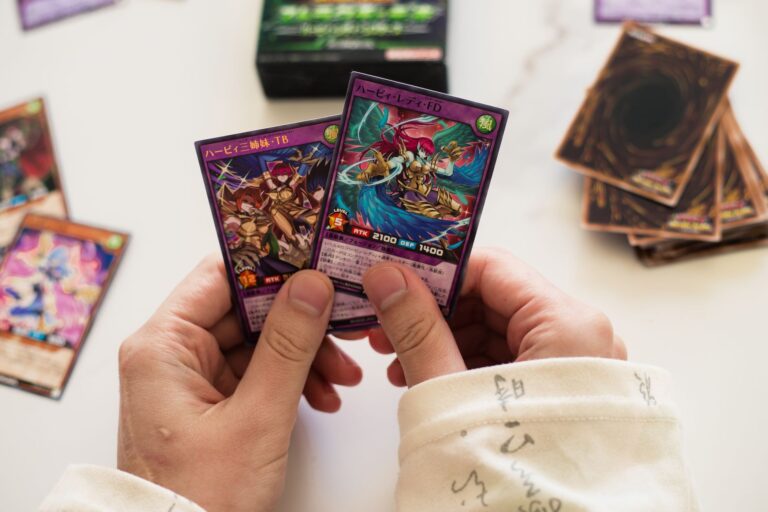
Appraising a deceased person’s Pokémon card collection requires determining the fair market value—the price a willing buyer would pay a willing seller when neither is under pressure to transact. For collectibles like Pokémon cards, this means using supported market comparables, typically based on actual recent sales of the same or similar items rather than asking prices or theoretical values. The process involves researching recent sales data, assessing condition, identifying specific editions and print runs, and often consulting professional resources or appraisers to ensure accuracy for estate purposes, insurance, or probate documentation.
The current market for Pokémon cards has reached unprecedented valuations. In February 2026, a Pikachu Illustrator card sold for more than $16 million, making it the most expensive trading card ever sold at auction. Even more accessible cards command substantial prices: a PSA 10-graded 1st Edition Shadowless Charizard has sold for over $400,000. These extreme cases illustrate why proper appraisal matters—a collection that appears modest on the surface could represent significant estate value, and getting it wrong can have serious consequences for beneficiaries or tax purposes.
Table of Contents
- What Fair Market Value Means for Pokémon Card Collections
- When You Need a Professional Memorabilia Appraiser
- Using eBay, the price guide, and Modern Pricing Tools
- Current Market Benchmarks and Record Sales
- The Grading Question and Condition Assessment
- Establishing the Appraisal Date and Documentation
- Market Outlook and Long-Term Considerations
- Conclusion
What Fair Market Value Means for Pokémon Card Collections
Fair market value is the standard used for estate appraisals, insurance claims, and probate proceedings. Unlike retail pricing or asking prices on collector websites, fair market value specifically measures what the items actually sold for in arms-length transactions between informed parties. For Pokémon cards, this means looking at authenticated sales records, auction results, and platform transactions where bids were received, not listings that may never result in a sale. According to legal guidance on collectible appraisal, this approach provides the most defensible valuation if the estate faces scrutiny from tax authorities or beneficiaries.
The distinction between asking price and sold price is critical. A 1st Edition Charizard might be listed on eBay for $500,000, but the actual recent sales might show prices ranging from $170,801 to $180,000 depending on specific condition and grading details. Using the listing price would overstate the collection’s value, while the sold prices provide a realistic benchmark. This is why serious collectors and estate administrators look at completed transactions, not wishful pricing.

When You Need a Professional Memorabilia Appraiser
If the collection appears to exceed several thousand dollars or includes rare items like first-edition, shadowless, or illustrator cards, hiring a professional memorabilia appraiser becomes essential. Condition assessment requires years of study and experience to evaluate correctly, and mistakes in grading can shift values by tens of thousands of dollars. A professional appraiser will have access to auction databases, understand the nuances of print runs and releases, and produce documentation suitable for estate and tax purposes—something that casual research cannot replicate.
The cost of professional appraisal typically ranges from a few hundred to several thousand dollars depending on collection size and complexity, but this investment protects the estate from significant undervaluation or IRS disputes. Many appraisers work with collectibles specifically and understand Pokémon card markets in detail. However, not all insurance adjusters or estate appraisers are equally knowledgeable about trading cards. Seek appraisers who specialize in trading cards or memorabilia and can provide credentials from organizations like AAA (American Society of Appraisers).
Using eBay, the price guide, and Modern Pricing Tools
For accessible baseline valuations, eBay’s sold listings provide real market data. The platform’s sold-listings filter allows you to see what cards actually went for, not what sellers were hoping to receive. Avoid using best-offer sales as comps since many sellers list items based on personal value rather than true market demand.
Recent completed auctions show realistic selling prices with actual bidder competition, which better reflects fair market value than negotiated private sales. Specialized platforms like the price guide track both graded and ungraded Pokémon card prices updated regularly from auction and sale data. PokeDATA and PokeScope provide daily-updated market prices, allowing you to establish accurate valuations as of a specific date—critical for estate appraisals where the valuation date is fixed (typically the date of death). These tools aggregate data from multiple sources and provide historical trends, which helps explain market fluctuations if beneficiaries question the valuation later.

Current Market Benchmarks and Record Sales
The Pokémon card market has experienced dramatic growth. As of January 2026, average Pokémon card prices rose 46% year-over-year, with the Card Ladder Pokémon Index increasing 116% over the past year. This rapid appreciation means that a collection appraised even two years prior may significantly understate current value. The market is projected to reach USD 90.2 billion globally by 2034, growing at 7.1% annually from USD 52.1 billion in 2026, suggesting sustained demand for high-quality vintage cards.
Record sales demonstrate the upper spectrum of the market. PSA 10 1st Edition Charizards sold for $170,801 at Goldin Auctions in August 2024 and $180,000 at Sotheby’s in September 2024. Sealed 1st Edition booster boxes commanded prices between $187,500 and $237,500 at Heritage Auctions in 2024. These benchmarks matter because if a deceased collector owned graded cards or sealed boxes, comparing to recent authenticated sales provides stronger evidence of fair market value than guessing or using older price guides.
The Grading Question and Condition Assessment
Condition drives value more dramatically in Pokémon cards than in most other collectibles. An ungraded Charizard might be worth thousands, while the same card in poor condition could be worth hundreds. A PSA 10 (Gem Mint) versus PSA 8 (Near Mint-Mint) grading difference can represent a multiple of the card’s value. This is why professional appraisers emphasize condition assessment—casual collectors often overestimate their cards’ condition, inflating perceived collection value.
For estate purposes, having high-value cards professionally graded by PSA, BGS, or CGC before appraisal can provide definitive documentation. However, grading costs money and takes time, and some estates may not justify the expense if cards appear to be in lower grades or commons. The key limitation is that without professional grading, condition assessment remains subjective and defensible only if the appraiser has documented expertise. If inheritance disputes arise or tax authorities question the valuation, ungraded cards become harder to defend at high values.

Establishing the Appraisal Date and Documentation
The appraisal must be dated—typically to the date of death for estate purposes, though sometimes to the date the appraisal was actually conducted. This distinction matters because market prices fluctuate. Using current prices when the collection should have been appraised months earlier creates discrepancies that beneficiaries or tax authorities may challenge.
Establish the appraisal date clearly and reference market data from that specific period or document how you adjusted for market movements. Keep detailed notes on which comparable sales informed each valuation. If a rare card sold for $180,000 at a major auction four months before the appraisal date, that creates stronger evidence than citing a current listing. Documentation showing your research methodology—which platforms you checked, which sales you excluded as outliers, how you weighted different comparables—protects the appraisal’s credibility if questioned later.
Market Outlook and Long-Term Considerations
The Pokémon card market has stabilized after the pandemic-era boom, but valuations for first-edition, shadowless, and illustrator cards remain elevated. Unlike some collectibles that are trend-driven, early Pokémon cards have become recognized as comparable to vintage sports cards and sports memorabilia in terms of market persistence. The projection for 90.2 billion market value by 2034 suggests institutional and collector interest will remain strong, supporting long-term value retention.
For estates considering whether to sell immediately or hold the collection, understanding this outlook informs the decision. A deceased collector’s heirs might choose to liquidate quickly if they need funds, or hold the collection if they believe further appreciation is likely. Either way, an accurate appraisal as of the date of death establishes the baseline for estate taxes and provides the factual foundation for whatever comes next.
Conclusion
Appraising a deceased person’s Pokémon card collection demands establishing fair market value using documented comparable sales, not asking prices or estimates. For collections exceeding several thousand dollars or containing rare items, professional appraisers with trading card expertise provide defensible valuations suitable for estate, tax, and insurance purposes. Understanding the current market—where January 2026 saw 46% year-over-year price growth and record sales in the hundreds of thousands—ensures the appraisal reflects reality rather than outdated assumptions.
Begin by researching recent sales using eBay’s sold listings, the price guide, and specialized platforms like PokeDATA. Document your methodology, establish a clear appraisal date, and consider professional grading for high-value cards. If the collection appears significant, retain a qualified appraiser rather than attempting valuation alone. This foundation ensures the estate has accurate information for legal compliance, fair distribution to beneficiaries, and protection against future challenges.