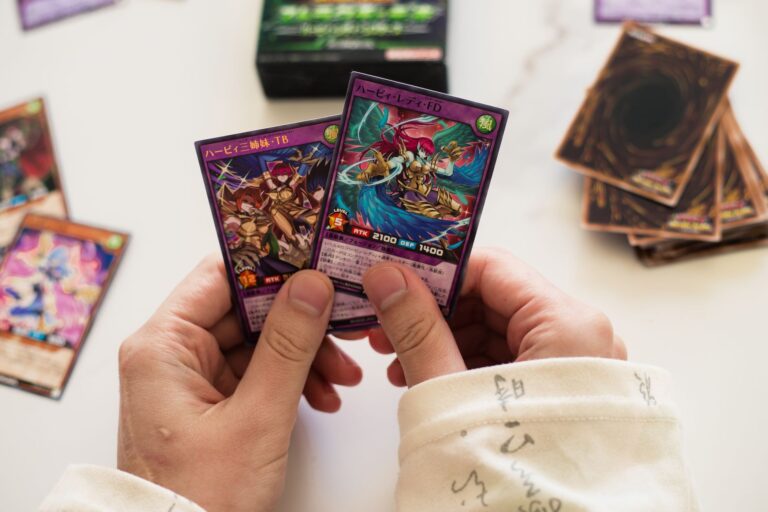
Passing a Pokémon card collection to your children is best accomplished through a combination of documentation, organization, and legal planning. Start by cataloging what you own—taking photos of valuable cards, recording their condition grades, and documenting purchase prices or appraisals. Then communicate your intentions clearly through a will or trust, specify which cards go to which children, and consider designating an executor or trustee who understands card values and can fairly distribute your collection.
For example, a collector with a complete Base Set worth $50,000 should photograph each card’s condition, note that a first-edition Charizard may be worth $15,000 alone, and explicitly name which child receives it to prevent family disputes. The process involves three main components: physical organization of the collection, financial and legal documentation, and teaching your children about the cards themselves. Without proper planning, a valuable collection can be lost to disagreements, damaged through poor storage, or sold at a fraction of its worth because no one understood what was valuable. Many families discover too late that their collection was mishandled simply because the original owner never created a roadmap for its future.
Table of Contents
- What Should You Document About Your Collection Before Passing It Down?
- Understanding Grading and Condition Impact on Collection Value
- How to Organize and Store Your Collection for Long-Term Preservation?
- Should You Sell Part of the Collection or Leave It Intact for Your Children?
- What Are the Tax and Legal Considerations for Inherited Collections?
- Teaching Your Children About Card Value and Market Knowledge
- Planning for Collections That No One in Your Family Wants
- Conclusion
- Frequently Asked Questions
What Should You Document About Your Collection Before Passing It Down?
Document every card that has significant value—anything worth more than $20 should be photographed and recorded. For each card, note the set name, card number, edition (first edition, unlimited, etc.), condition grade if professionally graded, and estimated value based on recent sales. Create a spreadsheet with columns for card name, set, grade, current market value, and storage location. Include cards that appear common but carry hidden value, like shadowless cards from the earliest Base Set releases, which can be worth ten times what an unlimited version costs.
A critical limitation of documentation is that market values change constantly. A card worth $200 today might be $500 next year or $100 the year after, so update your documentation at least annually if the collection is substantial. Don’t rely on asking price listings from dealers—instead, check completed sales on platforms like TCGPlayer, eBay sold listings, or recent auction results to establish realistic values. Store this documentation digitally with backups, not just in a notebook that could be lost. One collector’s family discovered a $3,000 error in appraisal values simply because the original owner used outdated pricing from ten years prior, which created an unfair division among four children.

Understanding Grading and Condition Impact on Collection Value
Card condition directly determines value—a card graded PSA 9 (mint condition) can be worth five to ten times what the same card graded PSA 6 (excellent-mint) costs. Grading is the systematic evaluation of card condition on a scale from 1 (poor) to 10 (gem mint), conducted by third-party companies like PSA, BGS, or Sportscard Guaranty. If your cards are already professionally graded and slabbed in protective cases, this simplifies the process because the grade is documented and won’t deteriorate further. However, ungraded cards in your collection will face a valuation problem—potential inheritors may underestimate or overestimate worth without professional assessment. Before passing down the collection, consider whether to grade expensive cards.
Grading costs $20 to $100+ per card depending on turnaround speed, so for a collection with 200 cards, selective grading might cost $2,000 to $5,000 but could clarify values significantly. The limitation here is that grading services have backlogs and turn times that can be months long, so plan ahead. Alternatively, you could write condition descriptions using standard terminology—note whether cards have centered printing, sharp corners, clean edges, and no creases—and let your children make decisions about grading after inheritance. One major warning: never clean, trim, or attempt restoration of cards you plan to pass down. collectors recognize these alterations and they drastically reduce value. A card that looks better but has been cleaned can be worth 50% less than its original unaltered state.
How to Organize and Store Your Collection for Long-Term Preservation?
Storage method directly impacts what your children will receive. Cards stored in top-loaders with acid-free sleeves inside a cool, dry closet will remain in excellent condition for decades. Cards stored in a damp basement, exposed to sunlight, or in low-quality plastic pages can deteriorate significantly within five years. Use 4-pocket or 9-pocket acid-free binder pages for less valuable cards, and individual top-loaders for graded or high-value cards. Store the entire collection in airtight plastic bins away from direct sunlight, temperature fluctuations, and humidity extremes.
Keep valuable cards in a safe deposit box at a bank if they’re extremely valuable—a collection worth $100,000 shouldn’t sit in a bedroom closet. Create a physical map of where everything is stored. If you have valuable cards in a safe deposit box, cards in binders at home, and graded cards in a secure storage unit, your children need to know this. Include access instructions—safe deposit box keys, passwords to any digital inventory lists, and documentation of what’s stored where. For example, a parent with a $75,000 collection had stored a first-edition Blastoise in a safety deposit box they never mentioned, and their children only discovered it three years after inheriting the collection when they found the unopened bank statement. Make this information part of your estate planning documents so an executor can locate everything.

Should You Sell Part of the Collection or Leave It Intact for Your Children?
This is a practical decision that depends on your children’s interests and financial situation. Some collectors want their entire collection passed down as a legacy and family heirloom, imagining their child will grow up to appreciate and expand it. Others recognize that their child has no interest in Pokémon cards and prefer to convert the collection into cash that goes to the estate to be divided fairly. There’s no single right answer, but the comparison is this: an intact collection might appreciate in value and provide emotional continuity, while liquidating the collection ensures equal distribution and avoids burdening uninterested heirs with items they’ll eventually sell at a loss anyway. If you decide to keep the collection intact, clearly specify which child receives it and be explicit about whether they can sell it or if it should remain in the family.
If you decide to liquidate, plan the timing carefully. Selling a large collection suddenly can flood the market and drive down prices. A collector with 2,000 cards might sell 300 cards per month over six months to maintain better pricing than dumping everything at once. Consider whether to use an auction house, dealer network, or online platforms like TCGPlayer—each has different fee structures and timing. The tradeoff is between speed (selling everything quickly at lower prices) and optimization (selling slowly at market rates but requiring more effort).
What Are the Tax and Legal Considerations for Inherited Collections?
Inherited property typically receives a “step-up in basis,” meaning your children won’t owe capital gains taxes on the appreciation that occurred while you owned the collection. However, the collection’s value at the time of death becomes the new basis, so if your child inherits a card worth $1,000 and sells it for $1,200 a year later, they owe taxes on only the $200 gain. This is a significant advantage compared to if you sold during your lifetime and they inherited the cash. However, this step-up applies only at death—if you give your collection to children while alive, they inherit your basis and will owe taxes on appreciation. A major warning: if the collection is extremely valuable, it may be subject to estate taxes.
In the United States, federal estate tax applies to estates over approximately $13 million, but some states have lower thresholds. A collector with a $5 million card collection in New York might face state estate taxes even though federal taxes don’t apply. Consult an estate planning attorney who understands collectibles before creating your will. Another limitation: if you own ungraded vintage cards, valuations can be disputed. The IRS might assign a different value to your collection than what you documented, leading to tax complications or family disputes. Getting a professional appraisal from a qualified appraiser familiar with Pokémon cards can protect your heirs and establish a defensible value for tax purposes.

Teaching Your Children About Card Value and Market Knowledge
Before passing down the collection, teach your children how to evaluate cards, understand market trends, and make decisions about keeping or selling. If your child is young, this education might happen over years as they grow into the hobby. If your child is an adult, consider walking them through your documentation, explaining which cards are rare, what determines value, and how the market works.
Share your sources for pricing information and explain the difference between asking prices (what dealers hope to get) and actual sale prices (what cards really sell for). For example, a parent might show their teenager that a 1999 Base Set Charizard varies in price from $200 for a heavily played copy to $20,000 for a mint first-edition, and explain that the difference comes from condition grading, collectibility, and rarity. Teaching them to check recent eBay sold listings and TCGPlayer data gives them the skills to make informed decisions about their inherited cards. If the collection is truly valuable, consider bringing your child to a card show or introducing them to reputable dealers and collectors so they understand the community and can get fair advice beyond just their parents.
Planning for Collections That No One in Your Family Wants
Not every collector has heirs who care about Pokémon cards, and that’s a reality worth planning for. If none of your children express interest in the collection, you have options: donate it to a museum or library, sell it and make the proceeds a gift in your will, or set aside money for a dealer to liquidate the collection as part of settling the estate. Some collectors establish charitable donations through their wills—a valued collection can go to a school library or community center where it might inspire new collectors.
The outlook for valuable collections is generally positive in the long term, but the market is unpredictable. Cards that seemed valuable a few years ago might appreciate or decline based on nostalgia cycles, new game releases, and collector sentiment. Your best strategy is to document thoroughly, communicate clearly, and give your children both the collection and the knowledge to make their own decisions about its future.
Conclusion
Passing a Pokémon card collection to your children requires documentation, organization, and clear communication. Create a detailed inventory with photos and current values, organize cards properly for preservation, and use legal documents like wills or trusts to specify your intentions. Plan for tax implications, decide whether to keep the collection intact or liquidate it, and teach your children about card values and market knowledge so they can make informed decisions.
The most important step is to avoid leaving your collection as a mystery. A well-planned handoff means your children will inherit not just cards, but a legacy they can appreciate, understand, and either continue or responsibly liquidate. Start documenting and organizing now, update your plans annually as values change, and have clear conversations with your family about the collection’s future.
Frequently Asked Questions
Will my children have to pay taxes on an inherited Pokémon card collection?
Generally no. Inherited property receives a step-up in basis, so your children won’t owe taxes on the appreciation that occurred during your ownership. However, if the collection is extremely valuable, it may be subject to estate taxes. Consult an estate planning attorney to understand your specific situation.
How much does it cost to have cards professionally graded?
Professional grading typically costs $20 to $100+ per card depending on the service (PSA, BGS, etc.) and turnaround speed. Standard grading is cheaper but slower, while expedited services cost more. For a large collection, budget accordingly or be selective about which cards to grade.
Should I sell my valuable collection now or leave it for my children to inherit?
That depends on your situation. Selling now lets you enjoy the proceeds, but selling during your lifetime creates capital gains taxes. Leaving it to your children provides a step-up in basis, avoiding those taxes. However, if your children have no interest in cards, selling may be the better choice for them.
How do I know if my ungraded cards are valuable?
Check completed sales on eBay and TCGPlayer for cards matching yours in similar condition. These real sale prices are more reliable than asking prices. For cards you believe are valuable, consider professional grading or an appraisal from a qualified collectibles appraiser.
What’s the best way to store a valuable card collection long-term?
Use acid-free sleeves and top-loaders, store in airtight bins away from sunlight and humidity, and keep extremely valuable cards in a safe deposit box. Update your storage method as new archival standards emerge.
Can I give my collection to my children while I’m alive instead of waiting until I die?
Yes, but be aware that gifting creates a stepped basis, meaning your children will owe capital gains taxes if they sell. Inheriting instead provides a step-up in basis and avoids those taxes. Consult an attorney about the best approach for your situation.